Customer experience is transforming logistics. Discover why it’s now a key driver of success in transportation, how to optimize CX, and actionable steps logistics providers can take to improve satisfaction, loyalty, and retention in 2026.
How Customer Experience is Shaping the Future of Logistics
Twenty years ago, logistics was evaluated almost exclusively on cost and speed. Today, customer experience (CX), the full end‑to‑end interaction between a shipper and their customers, is shaping competitive advantage in transport and supply chain services.
For buyers, delivery performance isn’t just about punctuality; it’s about clarity, control, communication, and trust. From planning to last‑mile delivery to claiming damage or handling returns, every interaction with a carrier or service provider becomes a referendum on reliability. Most carriers and 3PLs know this intuitively, but few have operationalized it across tech, processes, and measurement in a way that creates real differentiation.
This article unpacks:
- Why logistics CX now drives business outcomes
- What customers actually expect in 2026
- The barriers logistics operations must overcome
- Tangible ways logistics teams can elevate cross‑functional experience
- How technology must be shaped for real impact
Rising Expectations: Logistics is No Longer Invisible
Logistics used to be a back‑office concern, valued only for cost and delivery accuracy. But that’s no longer enough. Customers, whether consumers or B2B partners, now expect:
- Clear visibility and transparency at every step
Real‑time status updates and proactive alerts reduce anxiety and unnecessary calls or emails from customers. That expectation isn’t a “bonus” anymore, it’s becoming table stakes - Responsive support and issue resolution
When something goes wrong, companies want rapid, confident answers in one interaction, not long back‑and‑forths. - Personalized service and flexibility
One‑size‑fits‑all logistics experiences no longer cut it, delivery windows, communication channels, and fulfillment options must adapt to customer preferences.
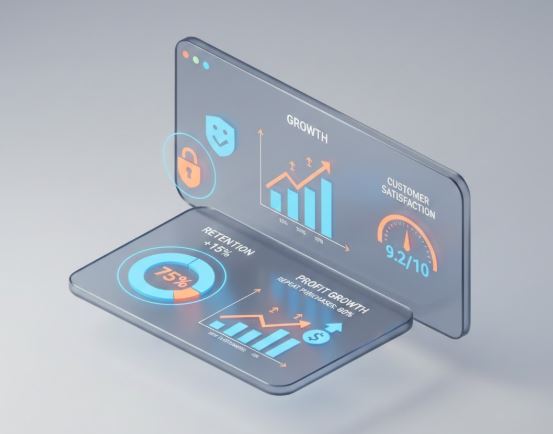
These expectations reflect broader CX research across industries: more than half of customers will walk away after a single bad experience, and a large majority will pay more for differentiated experience and convenience.
Read more: How to Prepare for Peak Season Disruptions: A Simple Guide for Logistics Teams
The Actual Business Impact of CX in Logistics
When most logistics teams hear “customer experience,” they think about delivery tracking or support tickets. But CX impacts every major business KPI:
1. Customer Retention and Loyalty
Companies with strong CX maintain higher retention and open doors to expanded business. Buyers will switch carriers after even a single poor interaction.
2. Revenue Growth and Premium Pricing
Superior experience enables providers to command better rates and build longer‑term contracts. Research suggests organizations with high CX scores can grow top line by 5–10% because customers are more loyal and willing to expand services.
3. Lower Cost to Serve
When customers feel informed and supported, inbound service calls drop and inquiries resolve faster. Real‑time systems, self‑service tools, and automated updates reduce operational burden.
4. Competitive Differentiation
In a crowded market, logistics providers who own the experience supply chain set themselves apart. Price and speed are no longer enough, consistency, transparency, and responsiveness are just as decisive.
The Barriers That Still Hold Logistics Back
Fragmented Systems and Data Silos
Many logistics operations still suffer from tool fragmentation, tracking, ERP, customer portals, and visibility platforms operate in disconnected ecosystems. That leads to inconsistent information and delays in communication.
Reactive Instead of Proactive Service
Too many support and operations teams only respond after a complaint arrives. The ideal is proactive alerting, customers should hear about exceptions before they become problems.
Lack of Experience‑Oriented Metrics
Logistics success has historically been measured by service levels (on‑time %, damage %, etc.). But these do not always map to how the customer feels. Logistics teams must measure satisfaction, first contact resolution, repeat complaints, and ease of interaction to capture CX effects.
Read more: Inconsistent Last-Mile Delivery: Urban & B2C Logistics Challenges
What Modern Logistics CX Looks Like, Practically
Winning CX isn’t about isolated initiatives, it’s about orchestrating systems and human interaction across the entire service lifecycle.
1. Unified Visibility With Custom Alerts
Instead of generic tracking links, systems should deliver contextual alerts:
- delayed customs clearance flagged proactively
- ETA revisions driven by live traffic and weather data
- customer‑preferred channels for updates (SMS, email, portal, API feed)
These reduce manual status calls and provide confidence in the delivery process.
2. Self‑Service Interfaces that Work
Customers increasingly prefer to answer their own questions via portals, tracking, documentation, proof‑of‑delivery, and even claims. Modern systems must intuitively support these features.
3. Integrated Support Workflows
Support teams must see all relevant logistics data, tracking, exceptions, billing history, without toggling between tools. Unified workflows cut response times and reduce customer frustration.
4. Segmented and Personalized Communications
Large enterprise customers have different expectations than small businesses. Systems should enable segment‑aware communication logic, adjusting updates and SLA expectations based on customer tier and urgency.
Case in Point: Last Mile is More Than Delivery
The “last mile”, often the most expensive and unpredictable segment of a shipment’s journey, directly shapes perception of experience. In e‑commerce logistics, last‑mile transparency often defines whether customers feel logistics was helpful or painful.
Companies that invest in predictive routing, real‑time GPS updates, and customer‑centric delivery windows see measurable drops in support calls and higher retention. AI adoption in last‑mile delivery can also cut customer service inquiries dramatically by anticipating issues and suggesting solutions before problems escalate.
Read more: What Are Deadhead Miles And How to Reduce Them in Your Fleet
Measuring Experience: Metrics That Matter
Here are practical metrics logistics teams should track, beyond operations:
| Category | Metric | Why It Matters |
| Experience | Net Promoter Score (NPS) | Gauges loyalty and likelihood to recommend |
| Support | First Contact Resolution | Faster problem closure = higher satisfaction |
| Transparency | On‑time ETA vs. promised ETA | Measures alignment between promise and delivery |
| Ease | Self‑Service Usage | High usage shows customers find tools genuinely useful |
| Intent | Renewal/Expansion Rate | Reflects customer confidence and future business |
A Final Thought: Experience Is Strategy
Customer experience in logistics isn’t a “nice extra.” It defines competitive positioning. Whether shippers, 3PLs, or carriers, companies that excel at delivering accurate, transparent, proactive, and personalized experiences will:
✔ Keep more customers
✔ Command better contracts
✔ Reduce operational cost
✔ Win business even where price and speed are similar
Customer expectations, for transparency, choice, and responsiveness, are no longer negotiable. Logistics teams that embrace experience as a core strategic priority will be the ones that survive and thrive.
How FTM Helps You Own the Experience
FTM.cloud brings together:
- Unified order & tracking visibility
- Automated notifications and customer portals
- Integrated data for support, billing, and operations
- Self‑service access and tailored communication logic
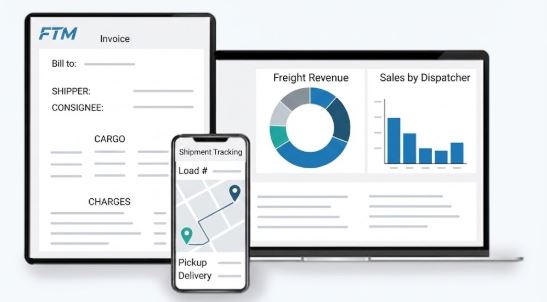
If you want your logistics network to stand out not just on cost or execution, but on true customer experience leadership, start with tools and workflows that make every customer interaction consistent, transparent, and reliable.
See how FTM can help you redesign your logistics customer experience.