FTM Blog
Freight Operations Insights
The FTM freight transportation management blog shares practical guidance on dispatch, carrier operations, billing, margin, freight technology, AI, and automation. Whether you manage broker, carrier, or shipper operations, use this hub to find clearer answers and the next useful resource.
Featured
Start with one timely freight insight
Begin with a timely perspective on the operational decisions shaping freight teams today. Then, continue into the latest articles or choose a specific business problem.
-

How AI Detects Freight Fraud Before It Costs You a Load
Read Article: How AI Detects Freight Fraud Before It Costs You a LoadA dispatcher books a reefer load with a carrier whose MC number checks out, whose insurance certificate looks current, and whose rate confirmation comes back signed within the hour. Two days later, the pickup location calls asking where the truck is. It never arrived. The MC number was real. The company behind it was not…
Recently published
Latest insights
See the newest practical thinking from FTM, from day-to-day freight work to long-term transportation strategy.
-
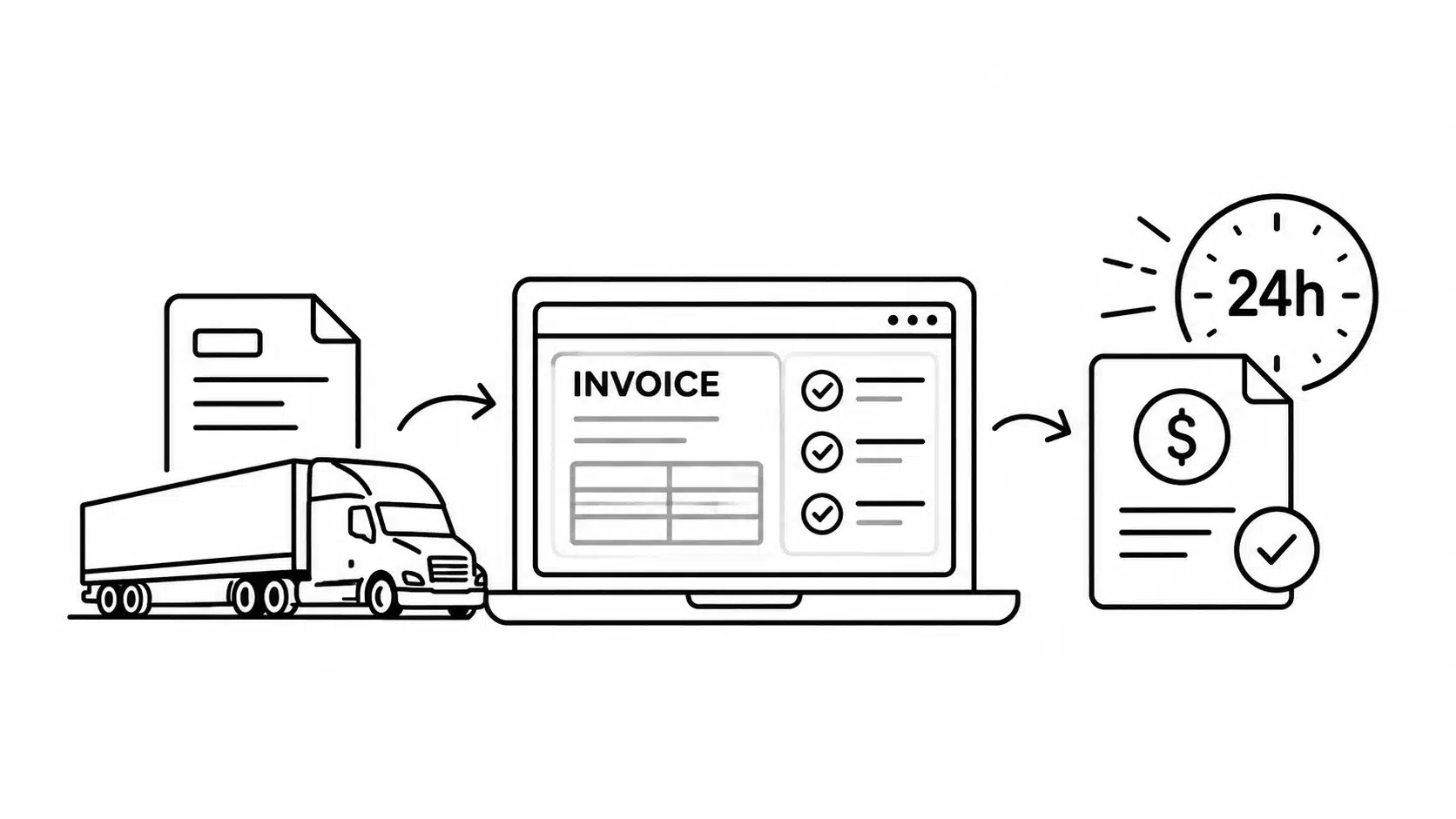
How to Design a Freight Invoicing Workflow That Closes in Under 24 Hours
Read Article: How to Design a Freight Invoicing Workflow That Closes in Under 24 HoursA freight invoicing workflow that closes within 24 hours finishes most of the billing work before the truck delivers. Customer references already exist. The rate already matches the agreement. Accessorial rules are known. Finance knows where the invoice will go. Then, delivery confirmation and the POD become the final triggers rather than the beginning of…
-

Fuel Price Volatility: How Carriers Should Build Pricing Buffers
Read Article: Fuel Price Volatility: How Carriers Should Build Pricing BuffersA 55-truck fleet in Texas ran its fuel surcharge the way most carriers do: reset once a month, based on the prior month’s average diesel price. Then diesel jumped more than 40 percent in under two months. By the time the next reset caught up, that fleet had already burned through roughly $168,000 in fuel…
-
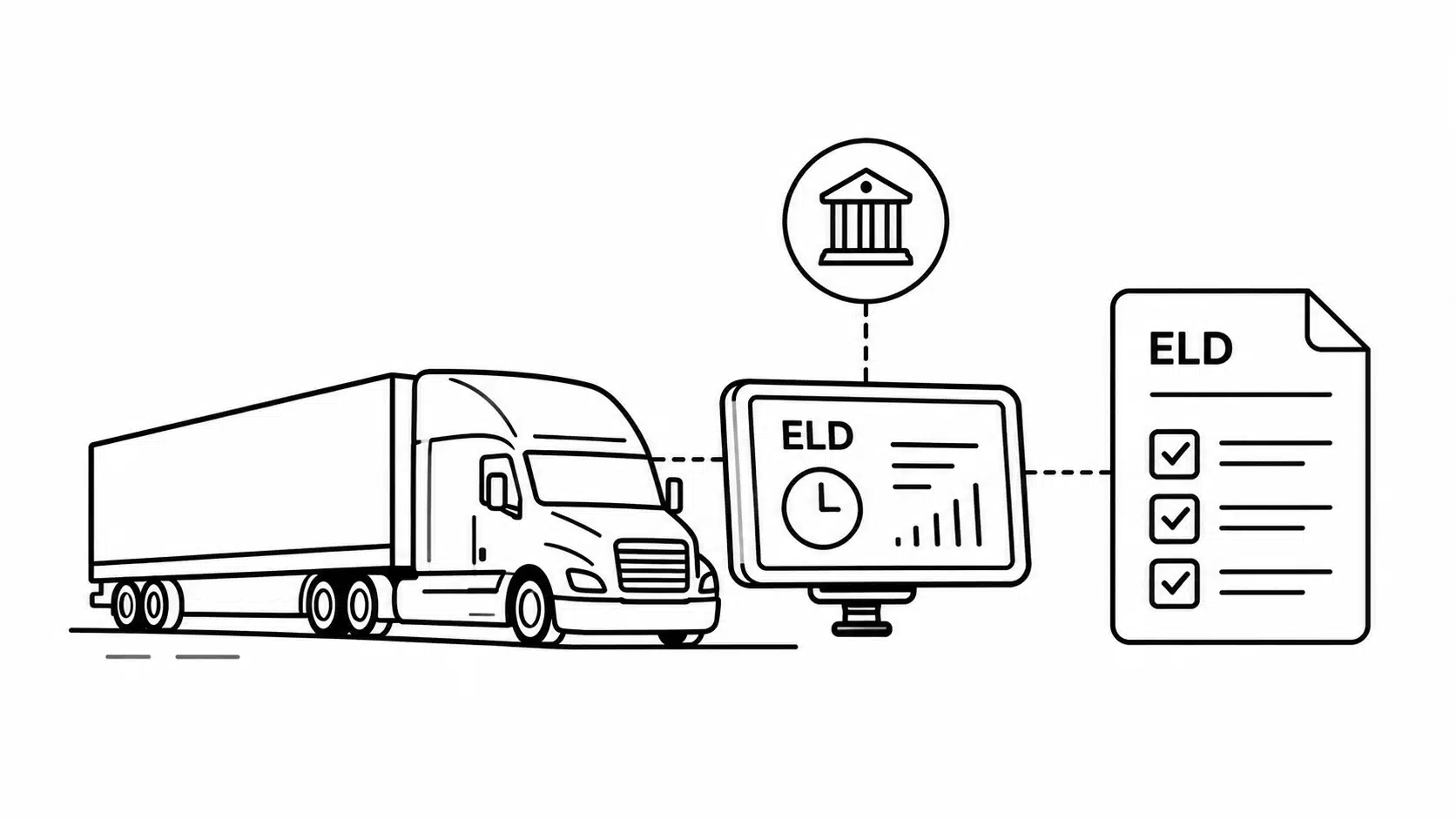
ELD Mandate Updates: What Carriers Need to Know
Read Article: ELD Mandate Updates: What Carriers Need to KnowThe most important ELD mandate updates in 2026 are not a new nationwide expansion of the mandate. Instead, carriers face two practical changes: FMCSA has continued removing noncompliant devices from its registered ELD list, while a July rule eliminated one piece of in-cab paperwork. For fleet managers, the first issue matters much more. A truck…
Explore by business problem
What are you trying to improve?
Choose an operational priority first. Then, use the related FTM pathways to connect what you learn with the workflow it affects.
Protect Margin
Explore quoting, accessorials, freight pricing, billing, and margin visibility. As a result, it becomes easier to see where revenue can be protected before and after a load moves.
Improve Dispatch
Find guidance on dispatch, driver communication, POD, visibility, and exceptions. Meanwhile, explore how those handoffs fit into the wider transportation workflow.
Build Better Carrier Capacity
Read about carrier sourcing, diversification, onboarding, and load coverage. In addition, follow the related workflows for managing carriers and private capacity.
Automate Freight Documents
Explore BOL, POD, rate confirmations, invoicing, and document automation. For example, see how teams can reduce manual document handling while keeping the operating workflow connected.
Evaluate a TMS
Compare approaches to TMS selection, implementation, migration, pricing, and Salesforce-native architecture. Finally, use the product, comparison, and setup resources to go deeper.
Article library
All freight operations insights
Browse more guidance across freight operations, technology, carrier management, dispatch, billing, margin, AI, and automation.
-
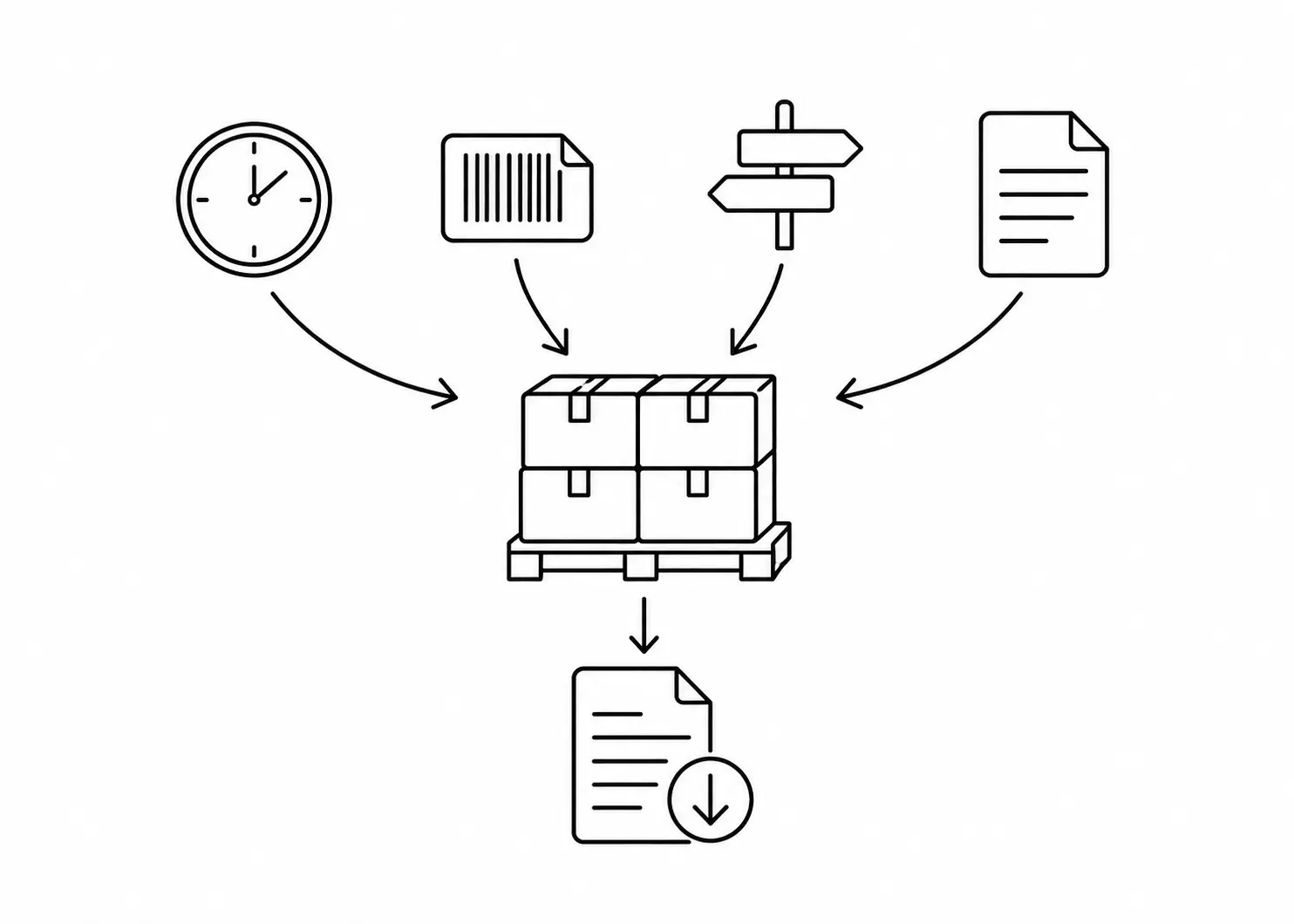
The Hidden Costs of Shipper Non-Compliance and How to Avoid Penalties
Read Article: The Hidden Costs of Shipper Non-Compliance and How to Avoid PenaltiesA pallet leaves the warehouse two hours later than planned. The order is complete, the product is correct, and nothing is physically wrong with the shipment. It still arrives outside the retailer’s must-arrive-by window. Three weeks later, a deduction appears on the remittance advice, and nobody in the finance department can immediately say which shipment…
-
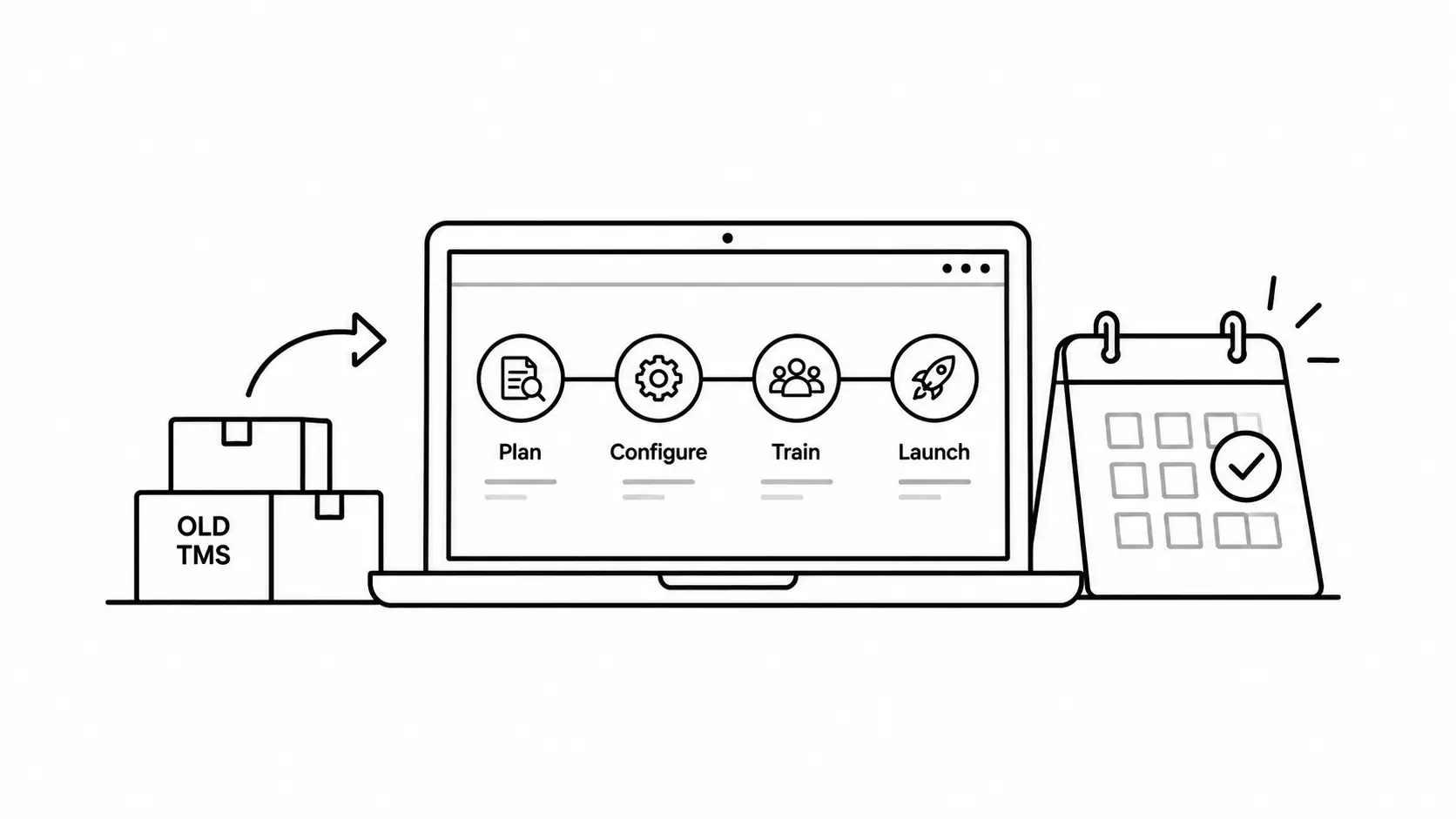
TMS Implementation Timeline: How Long Does Switching Really Take
Read Article: TMS Implementation Timeline: How Long Does Switching Really TakeA TMS implementation timeline can run anywhere from a few weeks to well over a year. That range sounds unhelpfully broad until you separate the software installation from everything surrounding it. Modern cloud software can provision an environment quickly. However, transportation teams still need to migrate customer and carrier data, configure workflows, connect accounting or…
-

Freight Broker Software Pricing: What You Should Actually Pay in 2026
Read Article: Freight Broker Software Pricing: What You Should Actually Pay in 2026A brokerage owner requests three demos in the same week. One vendor quotes $199 per user per month. Another says pricing starts at $514 flat, no contract. A third will not give a number at all until someone gets on a call. None of these numbers are directly comparable, and nobody on the buying side…
-
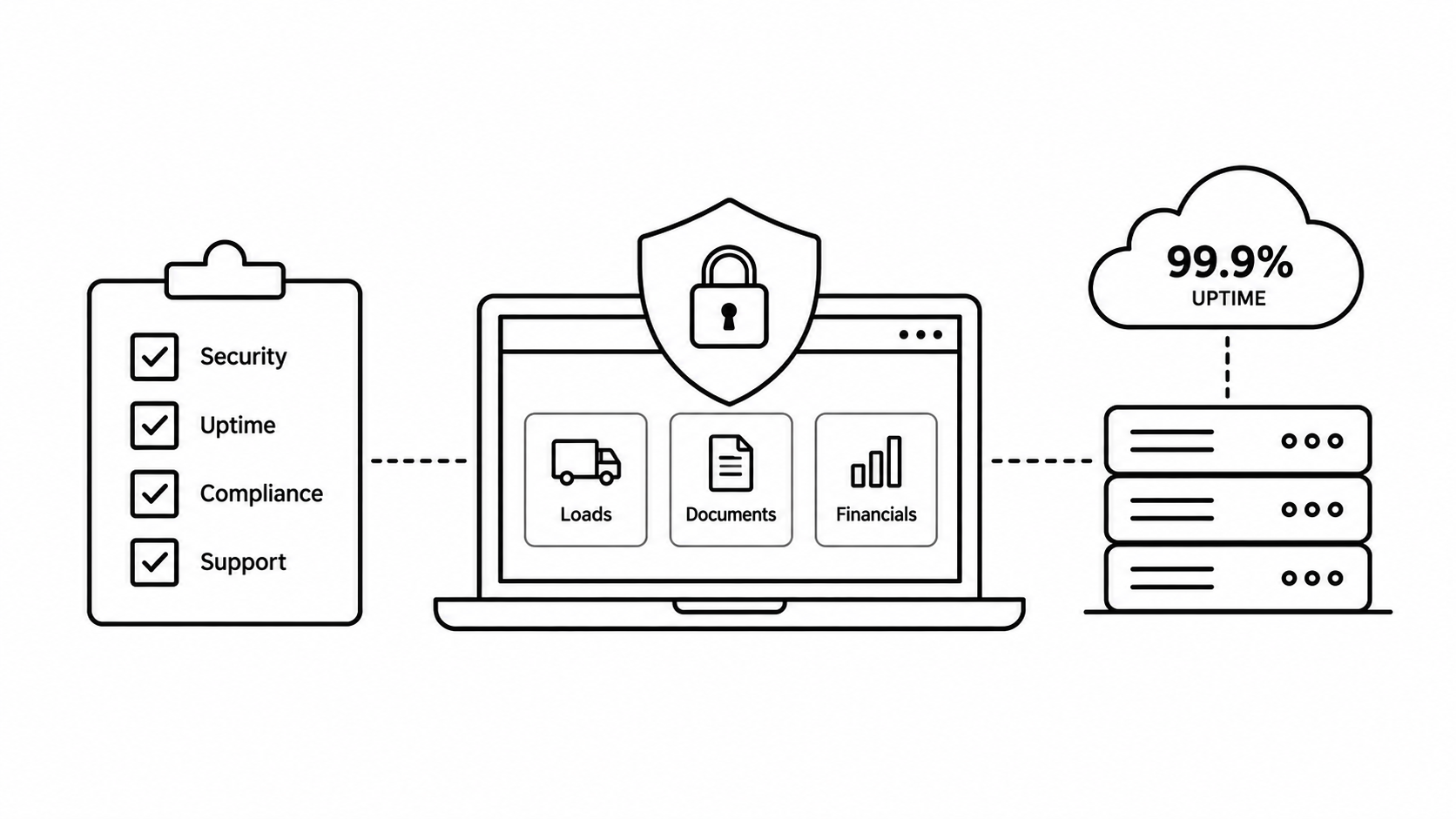
TMS Security and Uptime: How to Vet a Vendor Before You Sign
Read Article: TMS Security and Uptime: How to Vet a Vendor Before You SignTMS security usually becomes a procurement priority after someone asks a simple question: what happens if the system holding our loads, customer records, carrier information, documents, rates, and invoices becomes unavailable or compromised? By that point, the TMS may already be deeply embedded in operations. Dispatch depends on it. Customer service needs shipment status. Drivers…
-
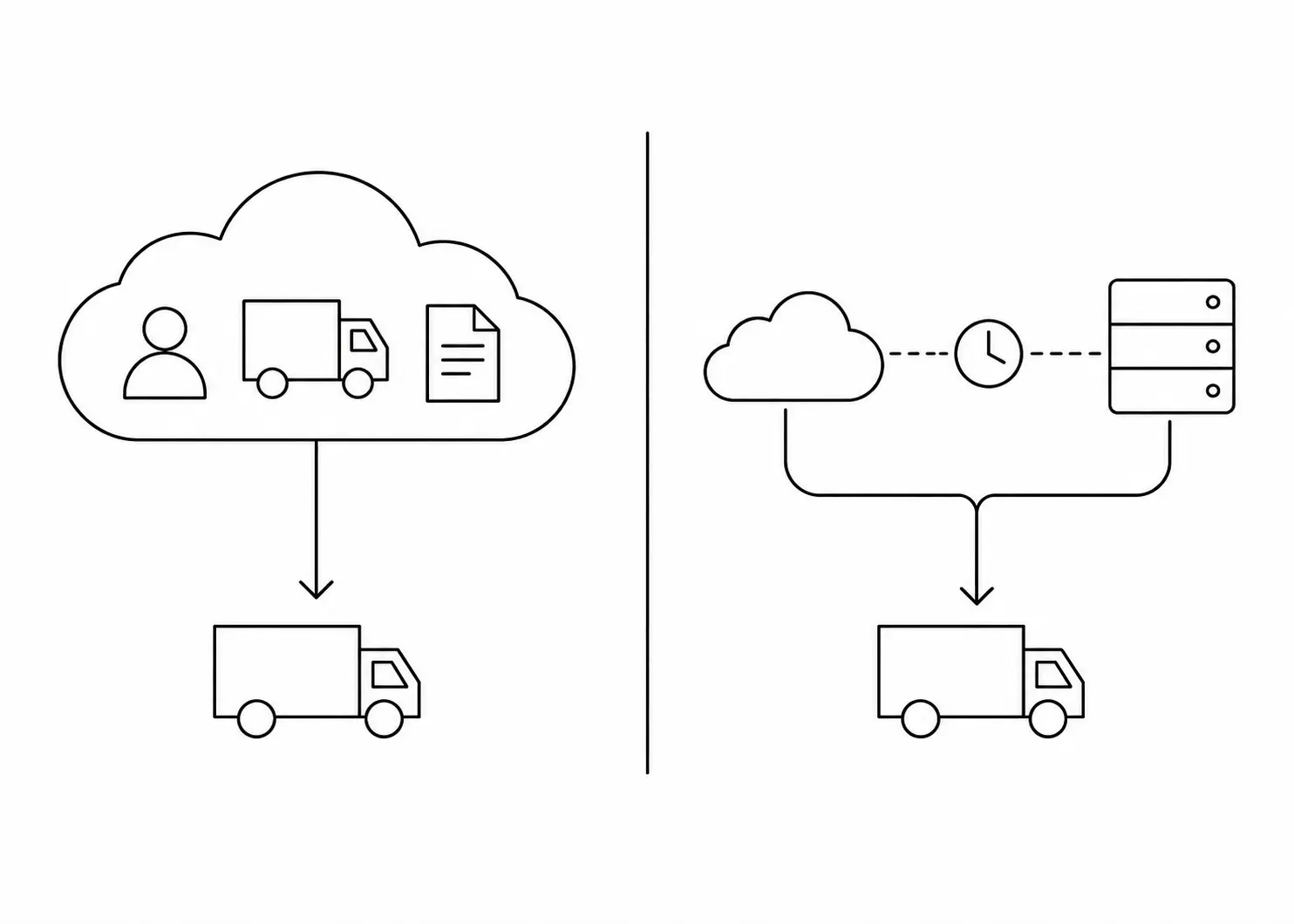
TMS Built on Salesforce vs. Standalone TMS: Real Differences
Read Article: TMS Built on Salesforce vs. Standalone TMS: Real DifferencesA sales rep closes a new shipper account in Salesforce on Monday. By Wednesday, that account still has not appeared in the TMS the operations team uses to actually move freight for them. Someone has to notice the gap, re-key the account details into a second system, and hope nothing gets typed wrong in the…
-
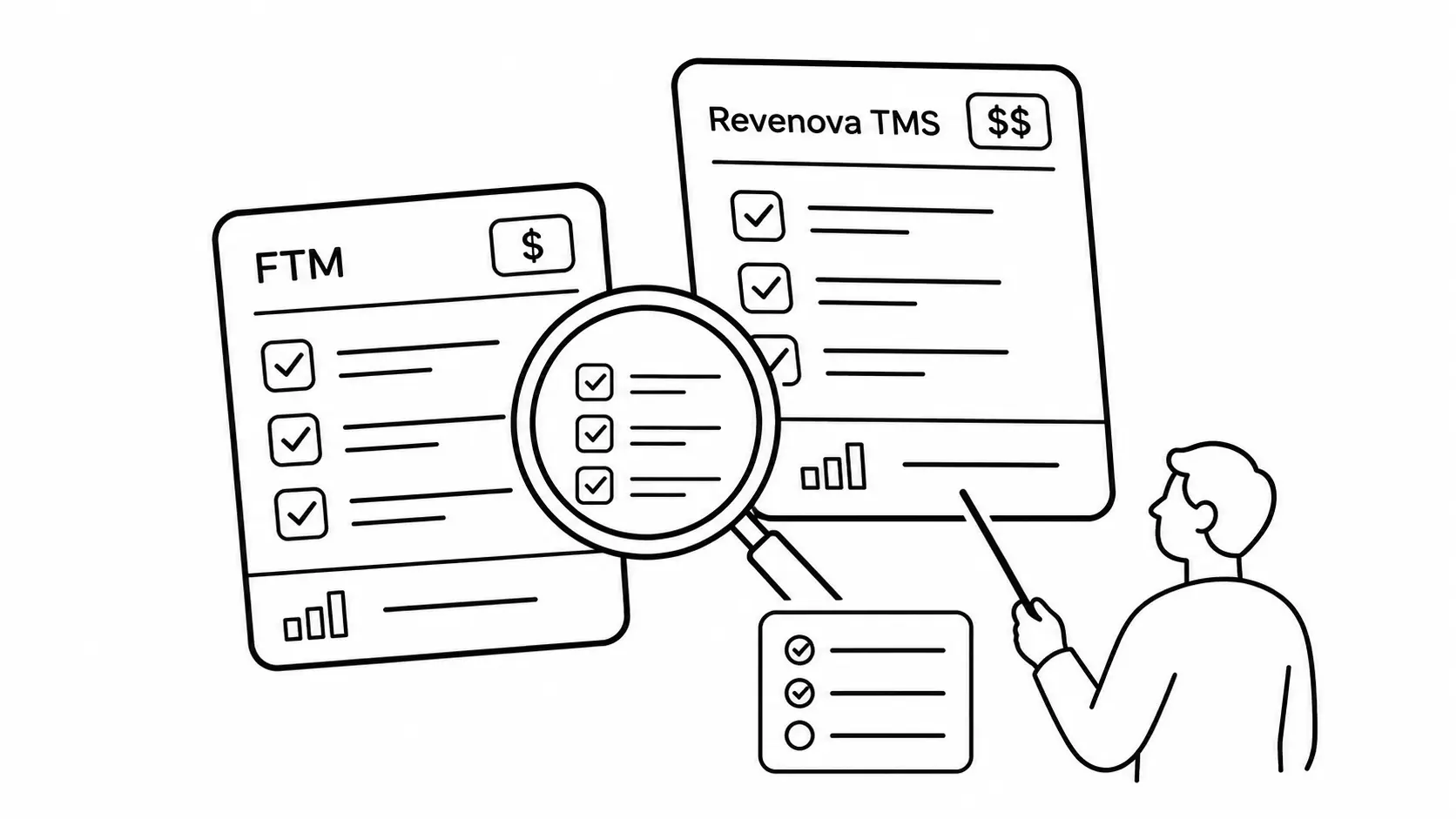
FTM vs Revenova TMS: Feature and Pricing Comparison
Read Article: FTM vs Revenova TMS: Feature and Pricing ComparisonFTM vs Revenova is an unusual TMS comparison because the two platforms share an important foundation: both run natively on Salesforce. That immediately separates this decision from comparing a Salesforce-native application with a standalone TMS connected to CRM through APIs. Both platforms can bring customer relationships and transportation operations into the Salesforce ecosystem. Both serve…
-
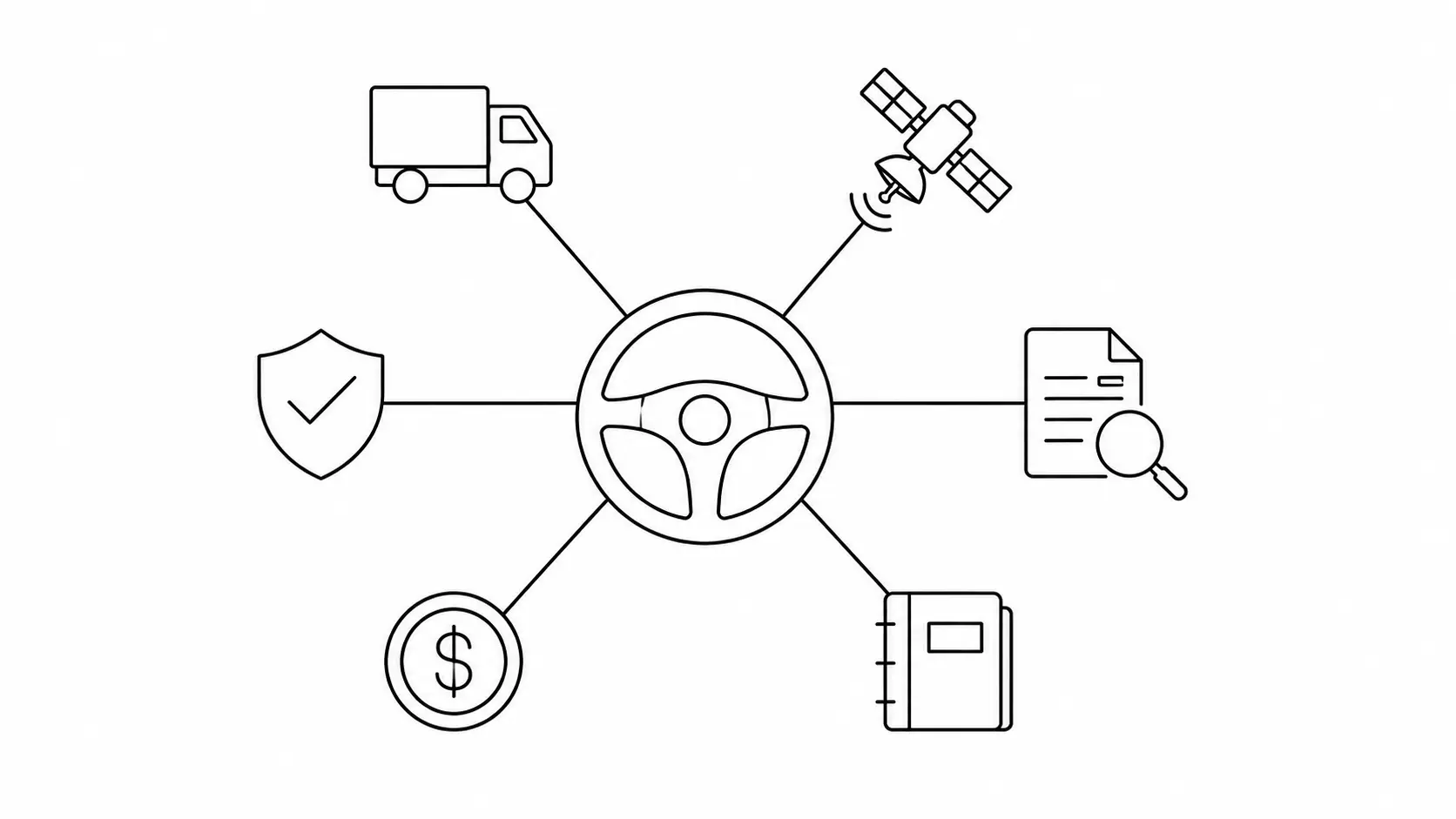
Freight Tech Stack 2026: Where FTM Fits Alongside Your Other Tools
Read Article: Freight Tech Stack 2026: Where FTM Fits Alongside Your Other ToolsA dispatcher checks the load board on one screen, the ELD portal on another, and types the same reference number into a third system for billing. None of these tools are bad on their own. The ELD does what an ELD should do. The load board does what a load board should do. But nobody…
-
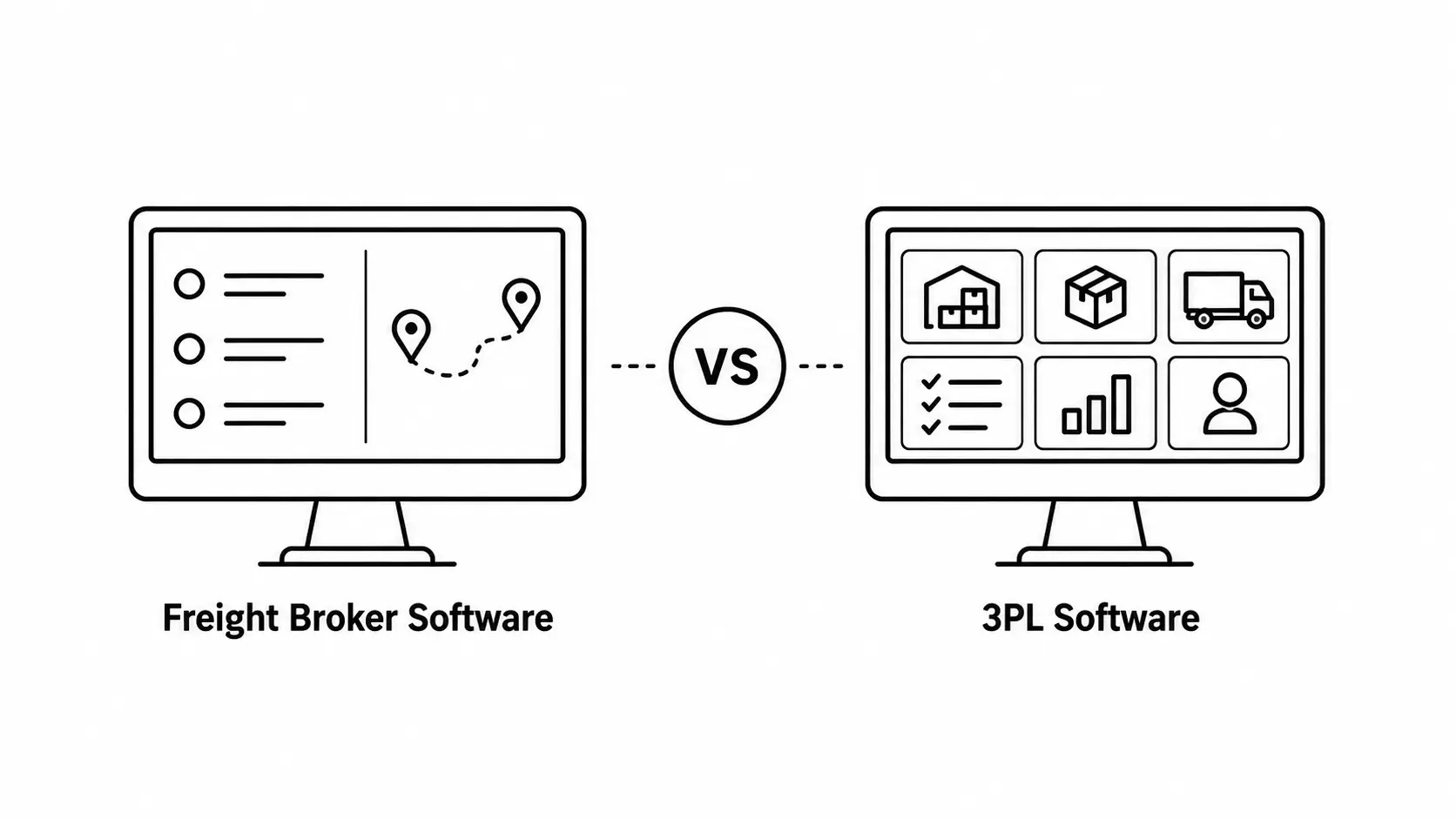
Freight Broker vs. 3PL Software: What’s the Real Difference?
Read Article: Freight Broker vs. 3PL Software: What’s the Real Difference?Search for freight broker vs. 3PL software, and the distinction quickly becomes blurry. Many platforms market themselves to both groups. A freight brokerage may call itself a 3PL. Meanwhile, one 3PL might focus almost entirely on managed transportation, while another operates warehouses, fulfillment centers, inventory, and distribution networks. The software categories overlap because the businesses…
-
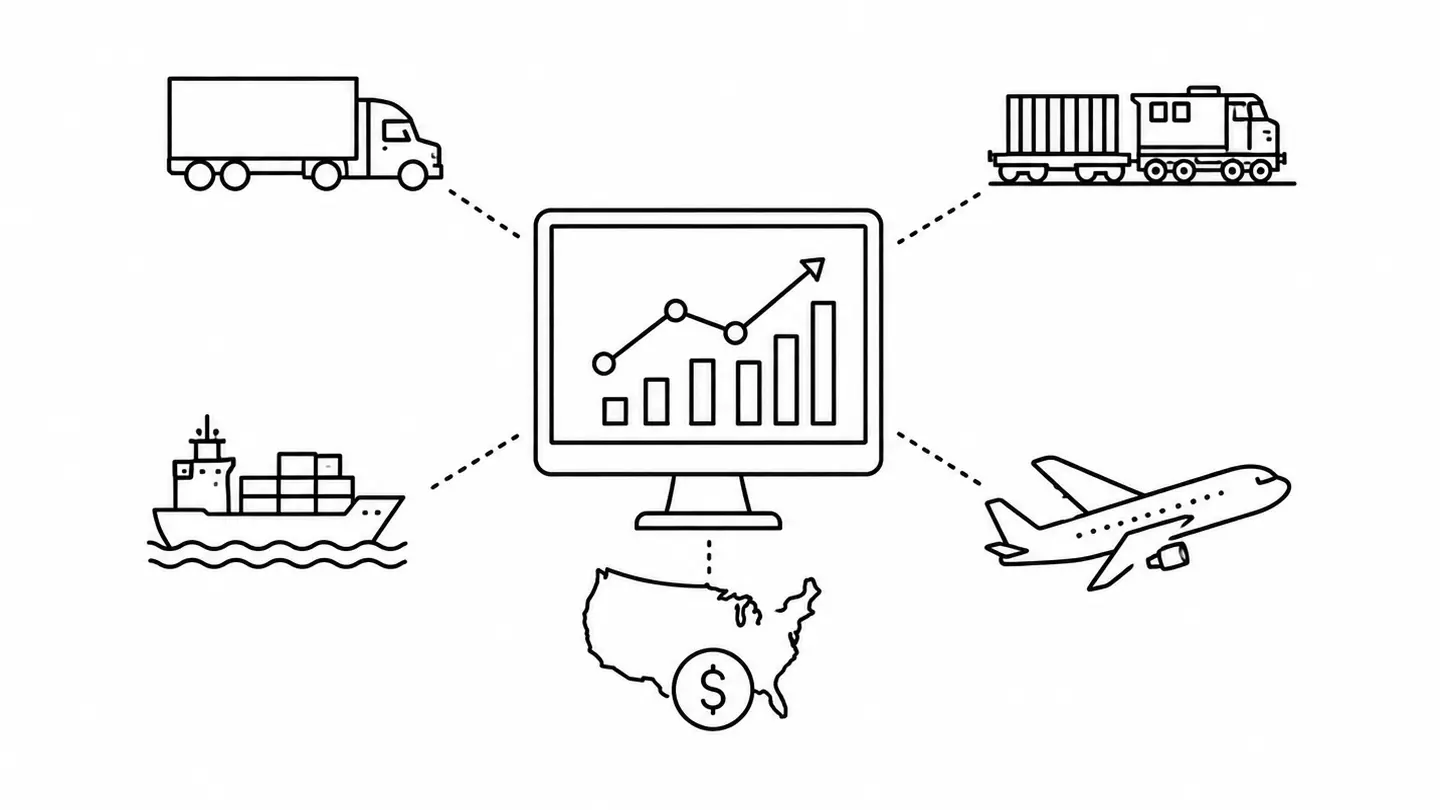
US Freight Market Outlook: Mid-2026 Rate Trends by Mode
Read Article: US Freight Market Outlook: Mid-2026 Rate Trends by ModeThe US freight market outlook for mid-2026 is no longer a story of uniformly cheap capacity. Truckload pricing has moved sharply higher, LTL carriers are still holding yield, and intermodal is gaining share as shippers look for alternatives to expensive over-the-road capacity. As of August 2026, the most important signal is that rate pressure is…
-
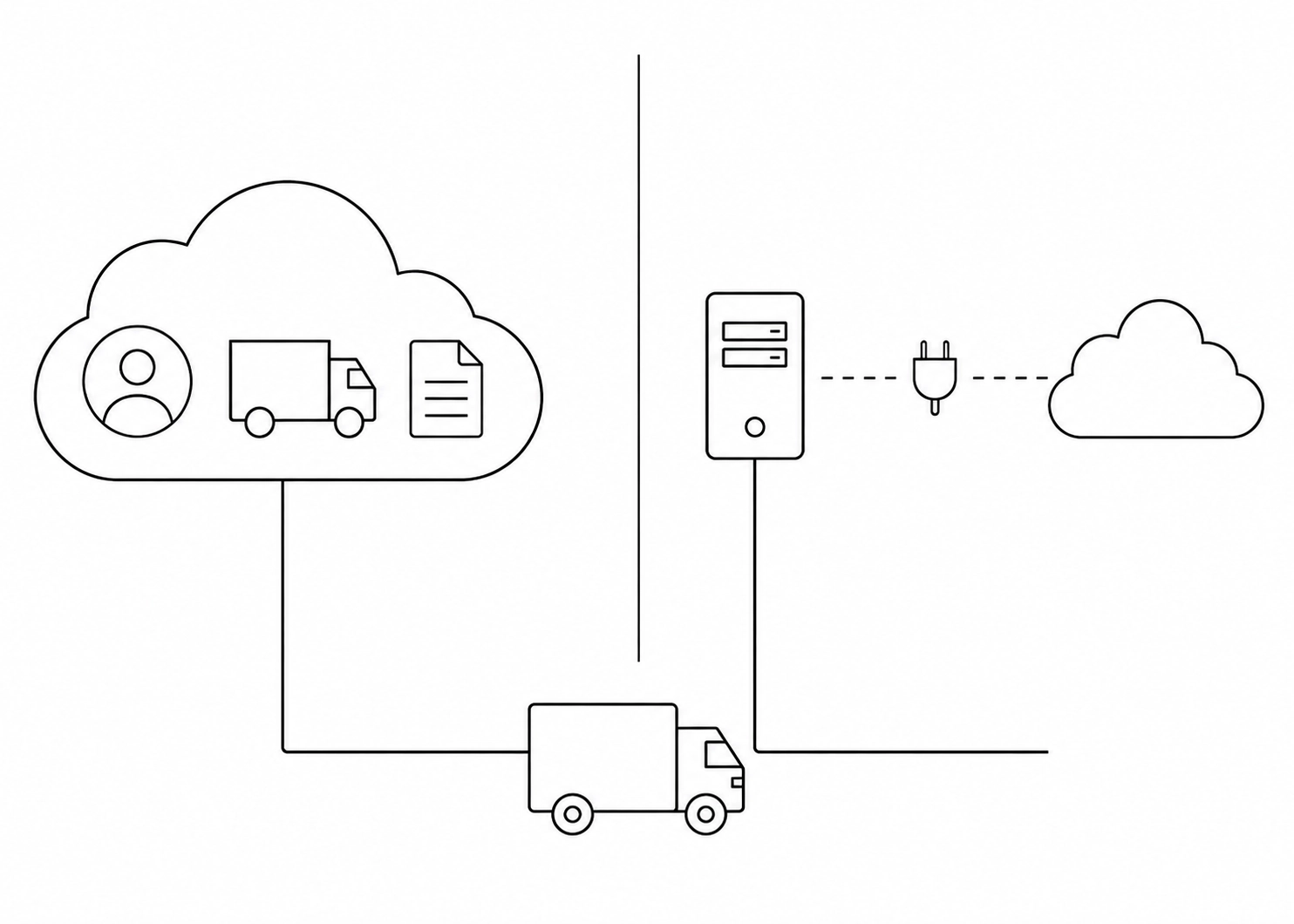
FTM vs. McLeod: A Side-by-Side TMS Comparison
Read Article: FTM vs. McLeod: A Side-by-Side TMS ComparisonMost TMS evaluations start in the wrong place. A buyer opens two demos side by side, compares feature lists, and picks whichever platform demonstrated more screens in an hour. That approach misses the decision that actually determines how the software performs five years from now: how it is built, and whether that architecture matches how…
-
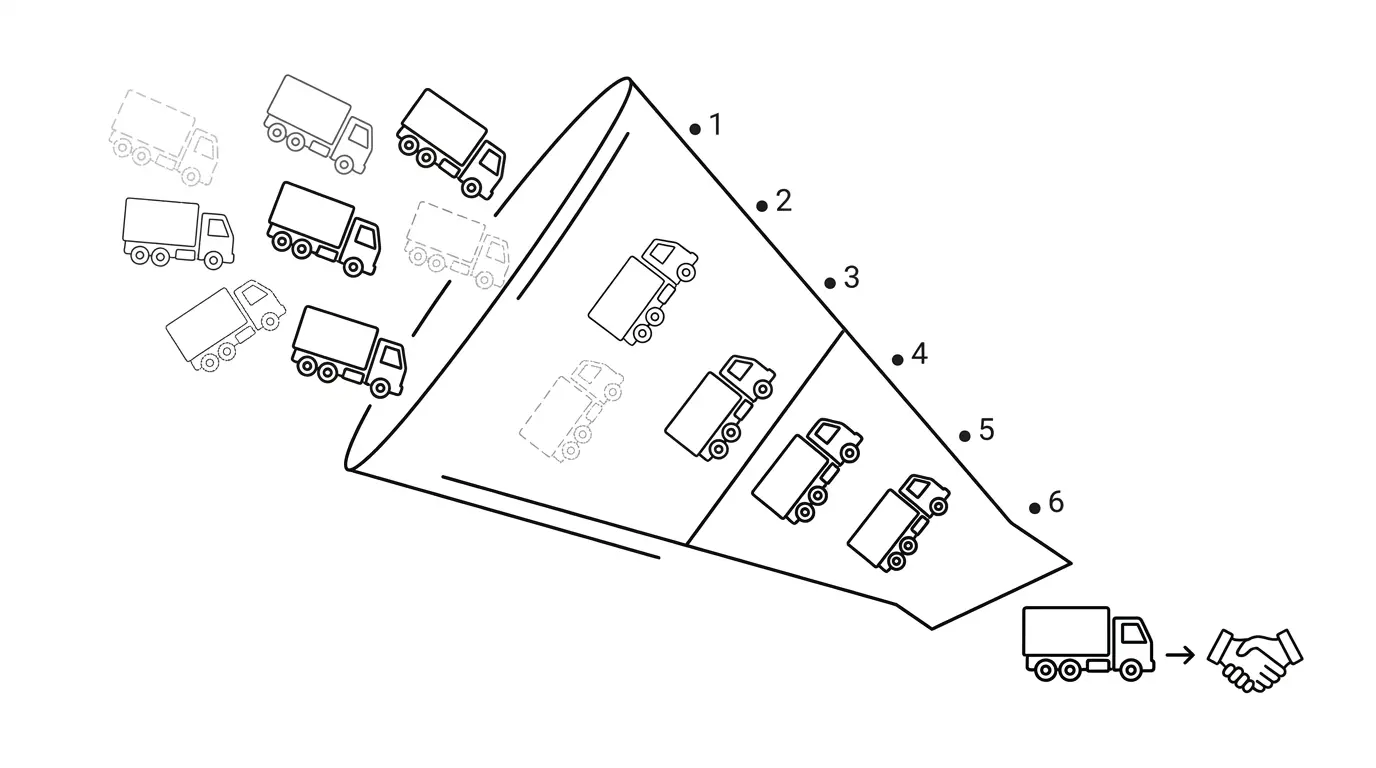
How to Build a Carrier Sales Pipeline That Actually Converts
Read Article: How to Build a Carrier Sales Pipeline That Actually ConvertsA carrier sales rep makes 40 calls on a Tuesday. Twelve people pick up. Three sound interested. One asks to be called back next week. By Friday, none of them have moved a load. The rep logs the activity, reports the call volume in the Monday meeting, and starts the same cycle again next week.…
-

The True Cost of Manual Freight Invoicing (And What Automation Saves)
Read Article: The True Cost of Manual Freight Invoicing (And What Automation Saves)Manual freight invoicing is often evaluated as a labor problem: how long does someone in billing spend creating an invoice after a load delivers? That calculation misses most of the cost. Before an invoice can leave the building, someone may need to find the POD, confirm the customer reference, compare the rate to the quote…
Continue exploring
Connect the insight to the workflow
When an article answers the first question, these focused pathways can help you explore the operational context behind it.
AutoFill
Explore the FTM workflow for document-driven freight operations.
Explore AutoFill → Customer visibilityCustomer Portal
See how customers can follow the transportation information shared with them.
Explore the portal → Connected systemsFTM Integrations
Browse the integration paths that support connected freight workflows.
View integrations → Operational guidanceFreight Resources
Continue with FTM guides, documents, glossary entries, and setup resources.
Browse resources →Looking for a better way to run transportation operations?
Explore how FTM connects quoting, dispatch, drivers, customers, documents, billing, and reporting inside Salesforce.
