A small spike in customer demand should not cause chaos upstream.
Yet in many supply chains, it does.
On this page
A 5% increase in orders at the retail level turns into a 20% surge in distributor purchasing, which then becomes a 40% production adjustment at the manufacturer. Inventory piles up. Capacity tightens. Costs inflate. Service levels drop.
This is the bullwhip effect and controlling it requires more than forecasting improvements. It requires structural visibility and coordination. That is where bullwhip effect control with TMS becomes operationally critical.
Transportation Management Systems are often positioned as routing and execution tools. However, when properly deployed, they act as stabilizers across the supply chain network.
Let’s break down how.
Understanding Demand Distortion Across the Network
The bullwhip effect occurs when minor demand variability is amplified as it moves upstream. The root causes typically include:
- Delayed information sharing
- Batch ordering practices
- Reactive capacity adjustments
- Lack of shipment visibility
- Siloed decision-making
Consequently, each node in the network overcorrects based on partial data.
The problem is not demand itself. The problem is latency and distortion.
In complex distribution networks, even minor communication gaps between procurement, transportation, and warehouse teams can magnify demand signals. Bullwhip effect control with TMS reduces this fragmentation by creating a shared operational view across departments. When everyone works from the same shipment data and performance metrics, internal overcorrection declines significantly, and demand signals stabilize before they move upstream.
Why Bullwhip Effect Control with TMS Starts with Visibility
You cannot stabilize what you cannot see.
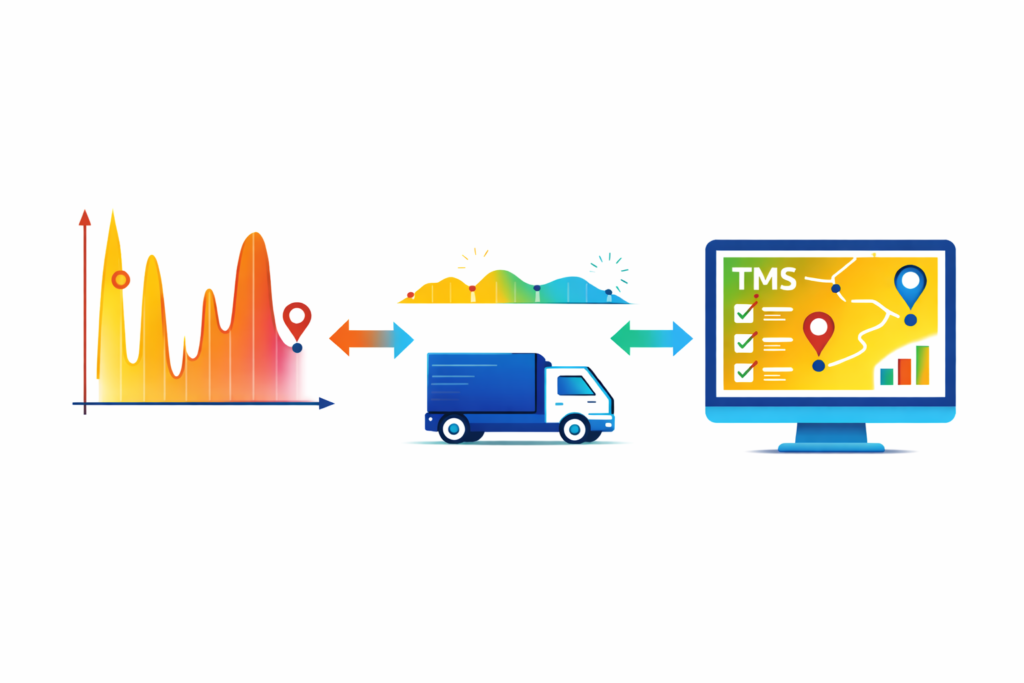
Bullwhip effect control with TMS begins by centralizing shipment, order, and capacity data in real time. Instead of reacting to weekly summaries, planners access live shipment flows and performance indicators.
With unified visibility:
- Inventory positioning reflects actual transit status
- Capacity allocation aligns with confirmed shipments
- Exceptions are identified early rather than escalated late
Therefore, transportation stops being a reactive cost center and becomes a coordinating mechanism.
Synchronizing Planning and Execution
Planning errors compound when execution data lags behind forecasts.
A TMS bridges this gap by connecting:
- Forecasted volumes
- Confirmed loads
- Carrier capacity
- Appointment scheduling
- Real-time tracking
As a result, planners adjust based on verified shipment activity rather than assumptions.
This synchronization reduces over-ordering and panic adjustments, two primary drivers of demand amplification.
How Bullwhip Effect Control with TMS Reduces Overreaction
When shipments are delayed or capacity tightens, companies often compensate by increasing orders upstream.
However, bullwhip effect control with TMS provides operational clarity:
- Accurate ETAs reduce safety stock inflation
- Exception alerts prevent duplicate orders
- Performance analytics identify systemic vs. temporary disruptions
Instead of reacting emotionally to delays, teams act based on verified risk.
Carrier Performance Stability and Variability Reduction
Carrier inconsistency contributes significantly to demand distortion.
If lead times fluctuate unpredictably, planners build buffers. Those buffers increase inventory. Increased inventory skews demand signals.
A TMS introduces:
- Carrier scorecards
- Transit time variance tracking
- Dwell analysis
- Lane performance benchmarking
Consequently, variability becomes measurable. And once measurable, it becomes manageable.
Stable lead times reduce the need for exaggerated upstream ordering.
Order Consolidation and Shipment Discipline
Batch ordering is another bullwhip catalyst.
When departments accumulate orders to reduce freight cost, they create artificial spikes in demand. Upstream partners interpret these spikes as genuine growth.
Through bullwhip effect control with TMS, organizations can:
- Optimize consolidation without distorting frequency
- Align shipment cadence with actual consumption
- Balance cost efficiency with signal accuracy
Therefore, cost savings and demand stability coexist instead of competing.
Moreover, bullwhip effect control with TMS supports predictive performance modeling. By analyzing historical transit variance, seasonal lane volatility, and carrier consistency, supply chain teams can anticipate instability before it distorts procurement behavior. This proactive visibility limits unnecessary safety stock expansion and prevents artificial capacity inflation.
Exception Management as a Stabilizing Force
Most bullwhip distortions originate from unresolved exceptions.
A late truck.
A missed appointment.
A rejected tender.
Without centralized exception management, teams overcompensate.
TMS-driven workflows:
- Flag disruptions in real time
- Trigger corrective actions immediately
- Prevent cascading miscommunication
As a result, small operational disruptions no longer escalate into structural overreactions.
Financial Alignment and Demand Accuracy
Transportation data rarely connects directly to financial forecasting.
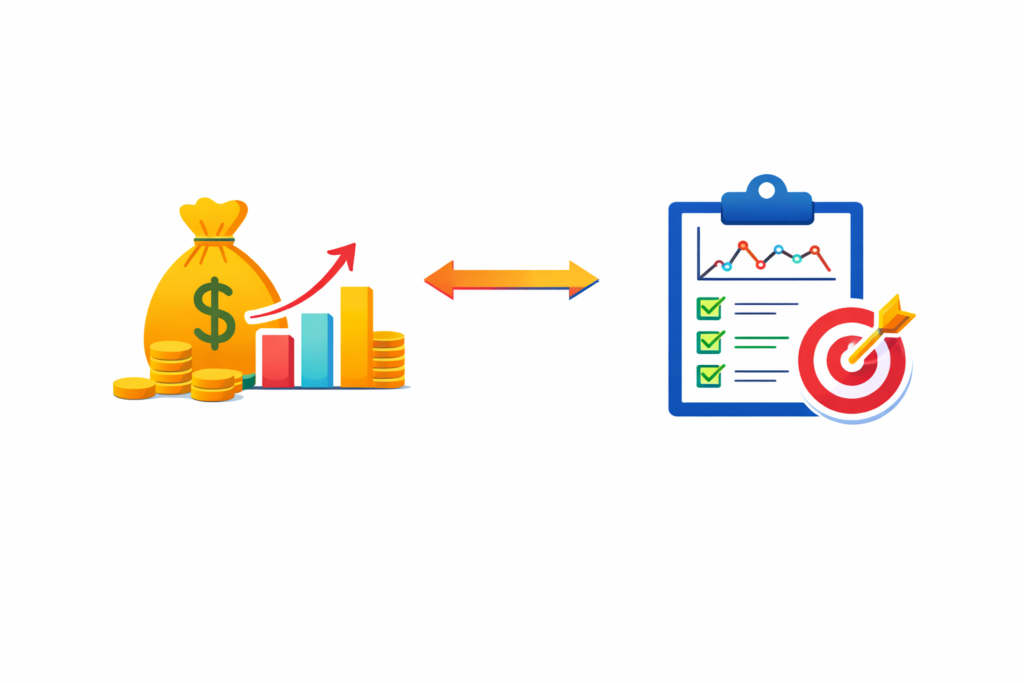
However, when freight costs, accessorials, and capacity fluctuations feed into financial reporting, patterns emerge. Leadership can distinguish between genuine demand shifts and logistics-driven noise.
Bullwhip effect control with TMS ensures that operational variability does not masquerade as market volatility.
This clarity improves procurement decisions, production planning, and capital allocation.
Technology Alone Is Not Enough
It is important to note: a TMS does not eliminate the bullwhip effect automatically.
Rather, it enables:
- Transparent information flow
- Cross-functional alignment
- Consistent measurement
- Network-wide coordination
Without process discipline, technology amplifies inefficiency.
With discipline, it stabilizes the network.
Additionally, bullwhip effect control with TMS enhances cross-functional accountability. When procurement decisions, transportation performance, and inventory outcomes are measured within one system, root causes become transparent. Instead of assigning blame across departments, organizations can identify which operational signals triggered upstream distortion and correct them systematically.
What This Means for Modern Supply Chains
Volatility is not disappearing. Demand patterns are shorter, customer expectations are tighter, and transportation networks are more dynamic.
However, volatility does not have to translate into amplification.
Through structured visibility, coordinated planning, and performance-driven execution, organizations can dampen demand distortion.
Bullwhip effect control with TMS transforms transportation from a passive executor into an active stabilizer across the supply chain.
From Distortion to Discipline with FTM
FTM integrates planning, execution, carrier performance, visibility, and financial alignment into one structured platform.
Instead of reacting to distorted signals, you gain real-time clarity. Instead of overcorrecting, you adjust deliberately.
If variability is eroding your margins and inventory predictability, the issue may not be demand.
It may be coordination.
Book a free demo and see how FTM supports network-level stability and smarter decision-making.
