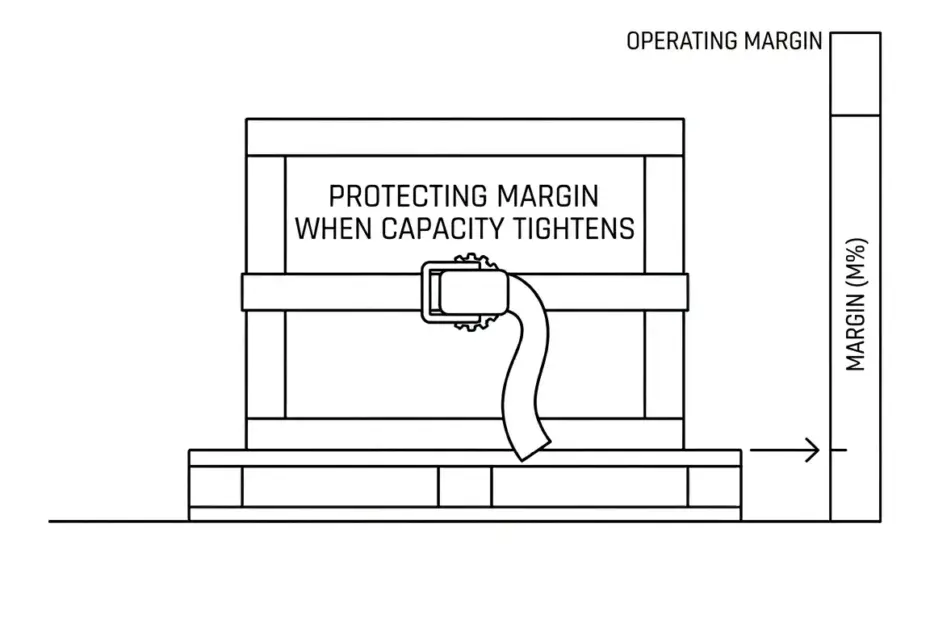
How Freight Brokers Can Protect Margin When Capacity Tightens
Picture a 1,000-mile load sold at $2,600 and covered at $2,300. On Thursday, the carrier… Read More »How Freight Brokers Can Protect Margin When Capacity Tightens
Picture a 1,000-mile load sold at $2,600 and covered at $2,300. On Thursday, the carrier… Read More »How Freight Brokers Can Protect Margin When Capacity Tightens
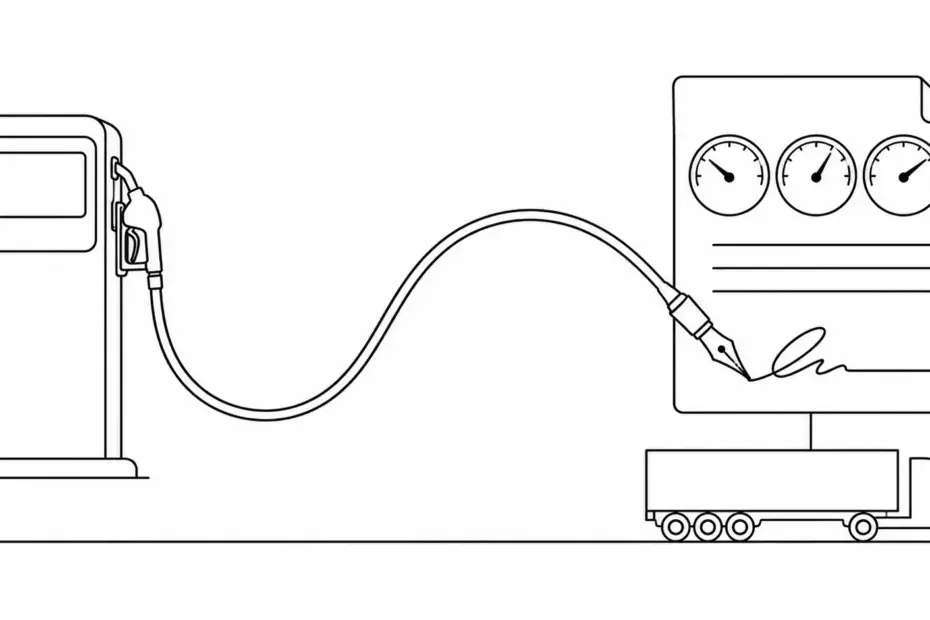
Picture the renewal packet that lands in a carrier owner’s inbox at 4pm on a… Read More »How to Negotiate Better Fuel Surcharge Terms with Shippers
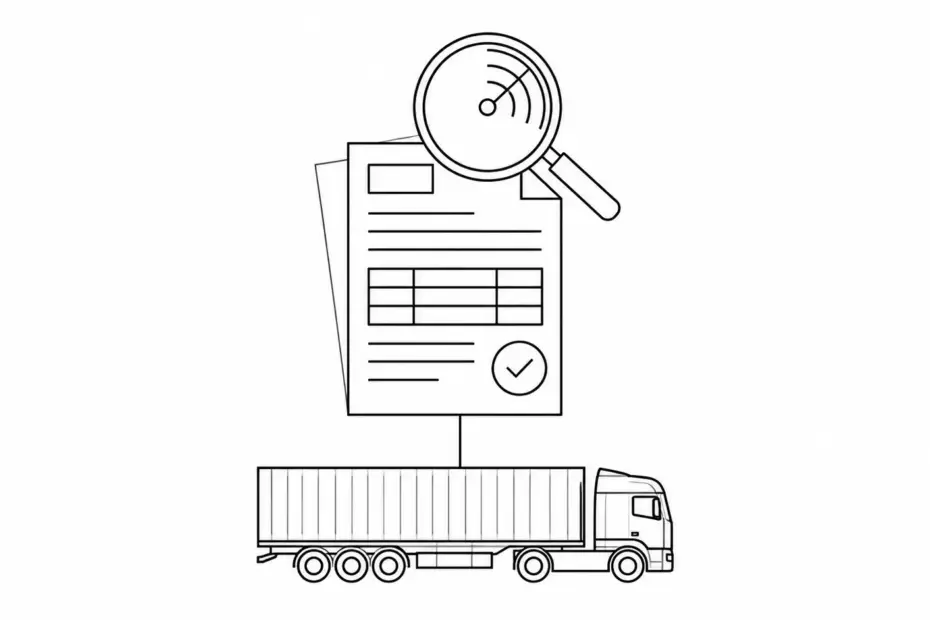
A dispatcher books a reefer load with a carrier whose MC number checks out, whose… Read More »How AI Detects Freight Fraud Before It Costs You a Load
A 55-truck fleet in Texas ran its fuel surcharge the way most carriers do: reset… Read More »Fuel Price Volatility: How Carriers Should Build Pricing Buffers
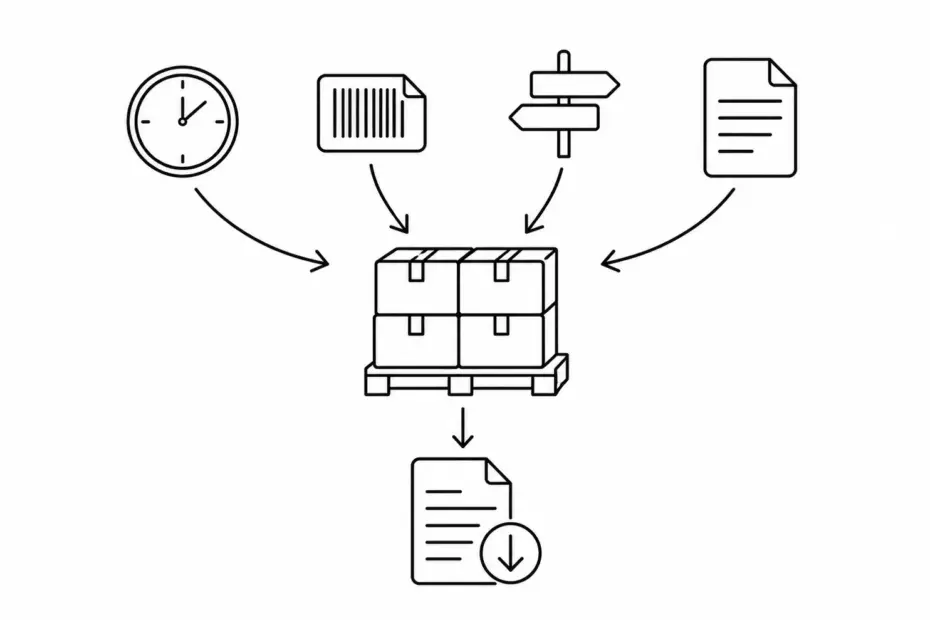
A pallet leaves the warehouse two hours later than planned. The order is complete, the… Read More »The Hidden Costs of Shipper Non-Compliance and How to Avoid Penalties
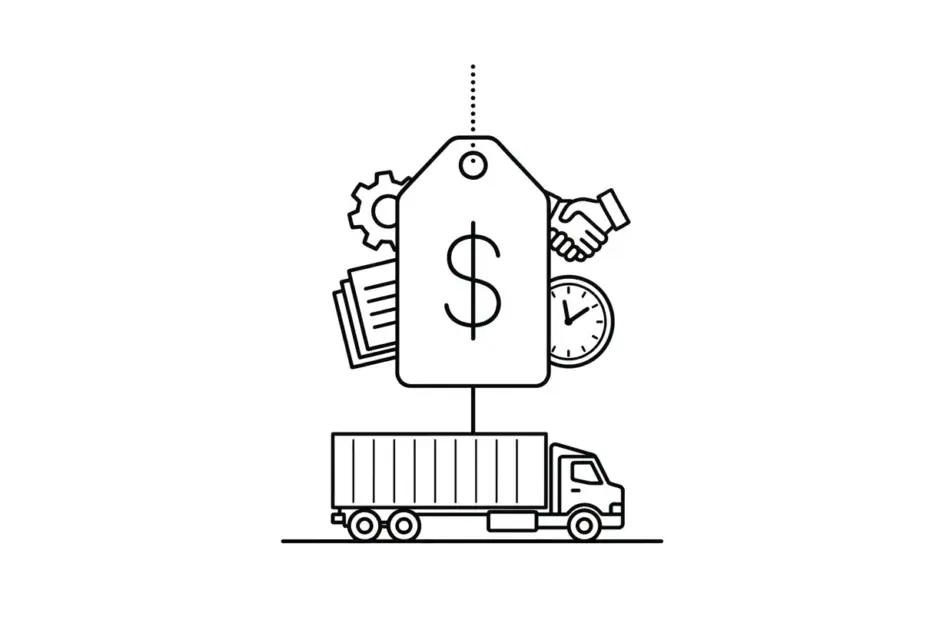
A brokerage owner requests three demos in the same week. One vendor quotes $199 per… Read More »Freight Broker Software Pricing: What You Should Actually Pay in 2026
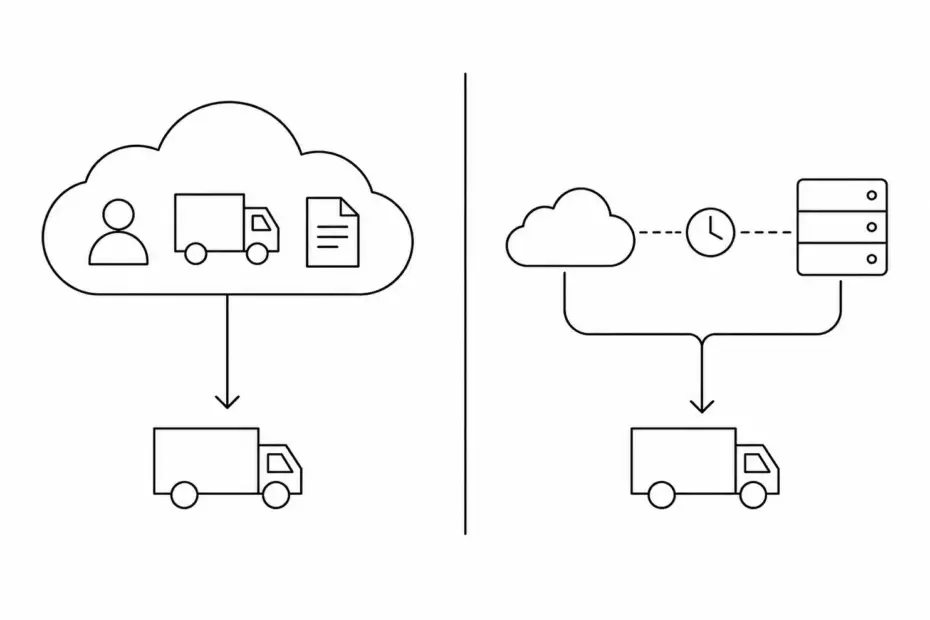
A sales rep closes a new shipper account in Salesforce on Monday. By Wednesday, that… Read More »TMS Built on Salesforce vs. Standalone TMS: Real Differences
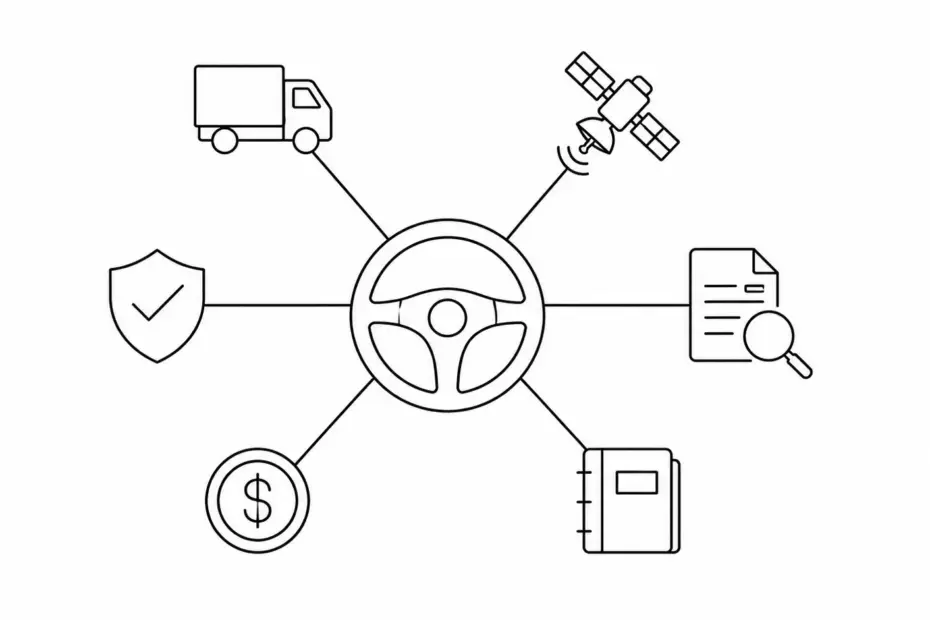
A dispatcher checks the load board on one screen, the ELD portal on another, and… Read More »Freight Tech Stack 2026: Where FTM Fits Alongside Your Other Tools
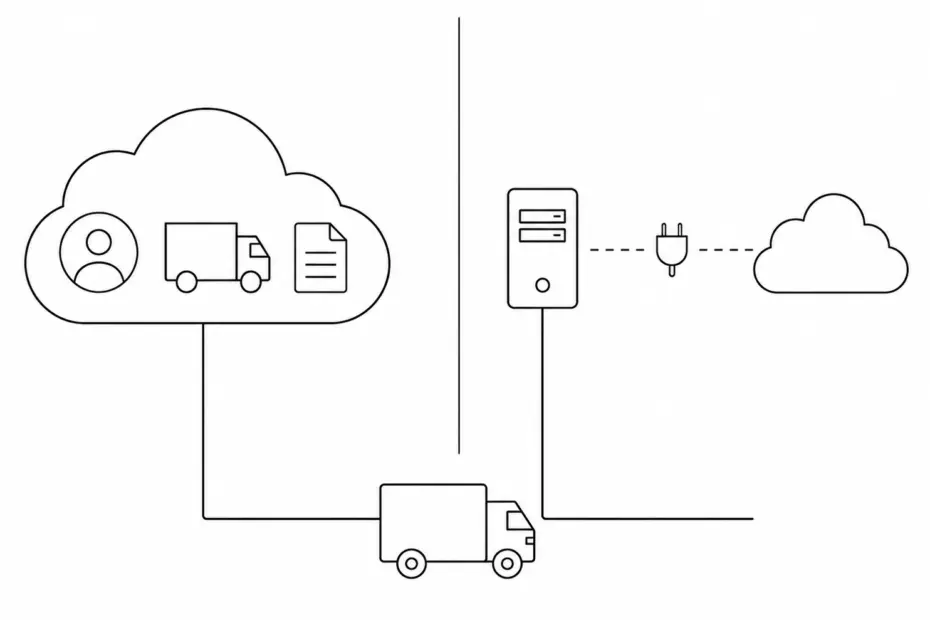
Most TMS evaluations start in the wrong place. A buyer opens two demos side by… Read More »FTM vs. McLeod: A Side-by-Side TMS Comparison
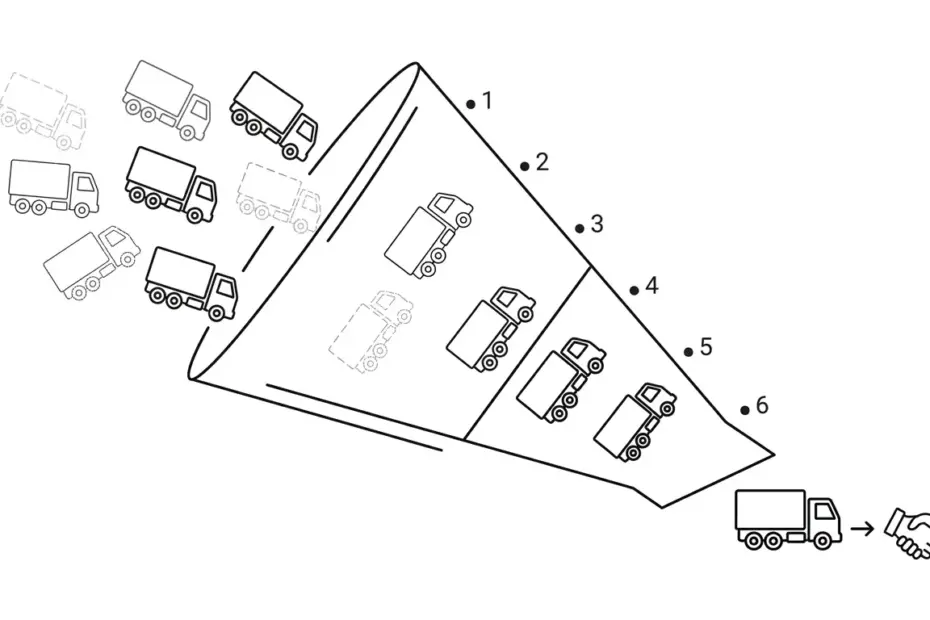
A carrier sales rep makes 40 calls on a Tuesday. Twelve people pick up. Three… Read More »How to Build a Carrier Sales Pipeline That Actually Converts
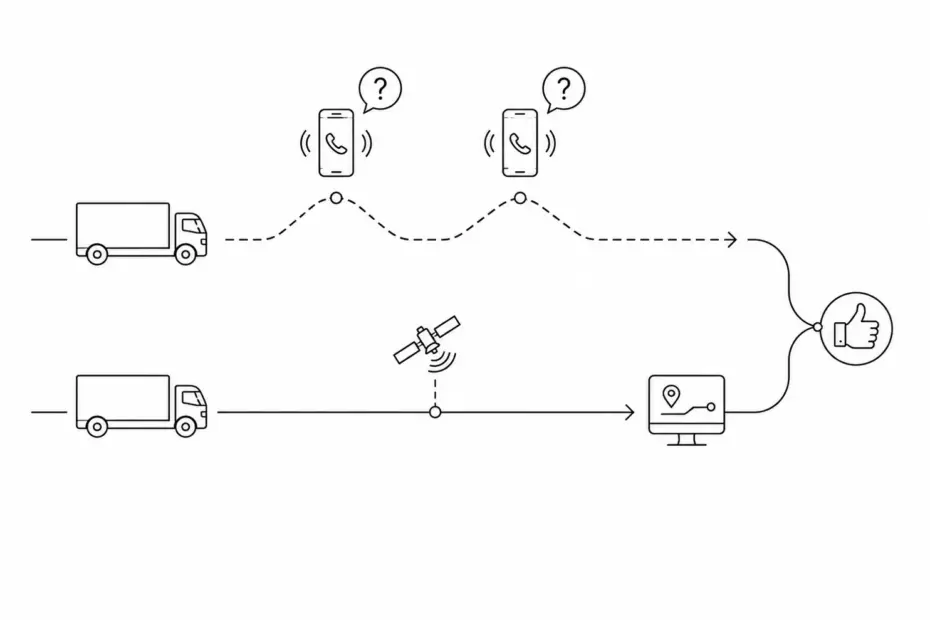
A driver picks up a load at 7am. By 9am, a dispatcher calls to ask… Read More »Why Manual Load Tracking Is Costing You Carrier Relationships
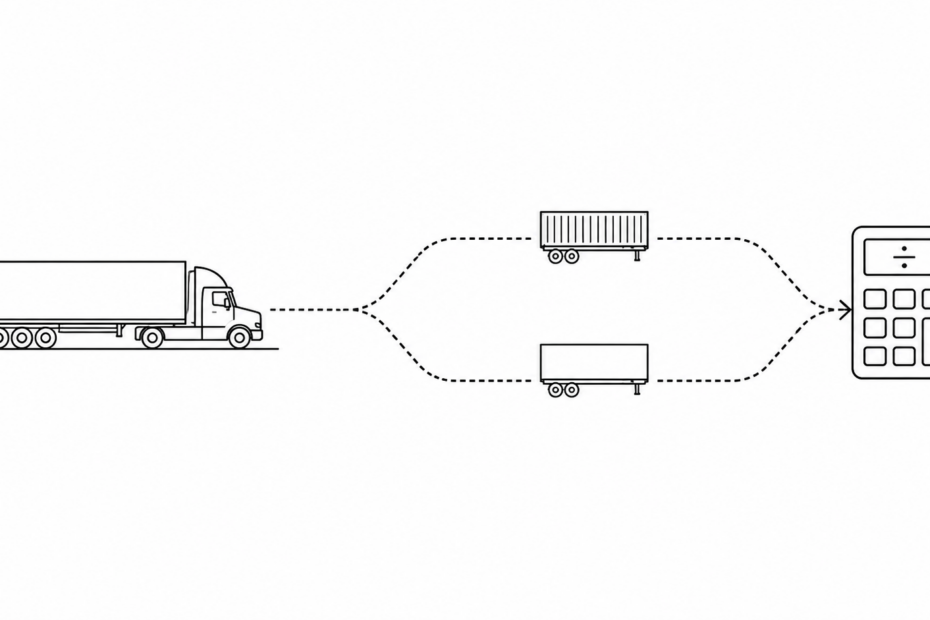
A carrier accepts a load at $2.10 per mile. Fuel is $0.55. Driver pay is… Read More »How to Calculate Carrier Cost Per Mile & Why Most Get It Wrong

Thanks for stopping by! We're here to help, please don't hesitate to reach out.