FTM Blog
Freight Operations Insights
The FTM freight transportation management blog shares practical guidance on dispatch, carrier operations, billing, margin, freight technology, AI, and automation. Whether you manage broker, carrier, or shipper operations, use this hub to find clearer answers and the next useful resource.
Featured
Start with one timely freight insight
Begin with a timely perspective on the operational decisions shaping freight teams today. Then, continue into the latest articles or choose a specific business problem.
-
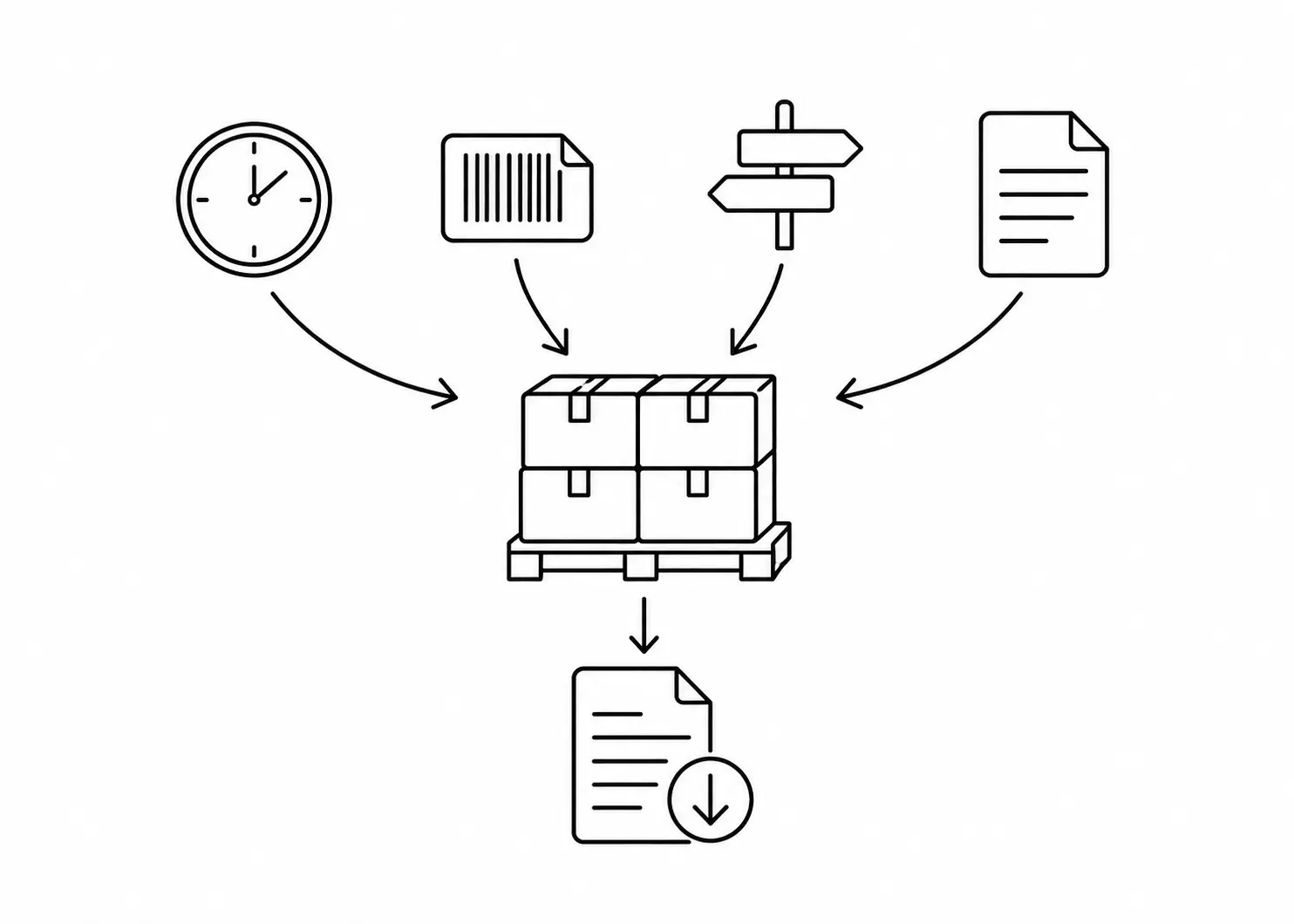
The Hidden Costs of Shipper Non-Compliance and How to Avoid Penalties
Read Article: The Hidden Costs of Shipper Non-Compliance and How to Avoid PenaltiesA pallet leaves the warehouse two hours later than planned. The order is complete, the product is correct, and nothing is physically wrong with the shipment. It still arrives outside the retailer’s must-arrive-by window. Three weeks later, a deduction appears on the remittance advice, and nobody in the finance department can immediately say which shipment…
Recently published
Latest insights
See the newest practical thinking from FTM, from day-to-day freight work to long-term transportation strategy.
-
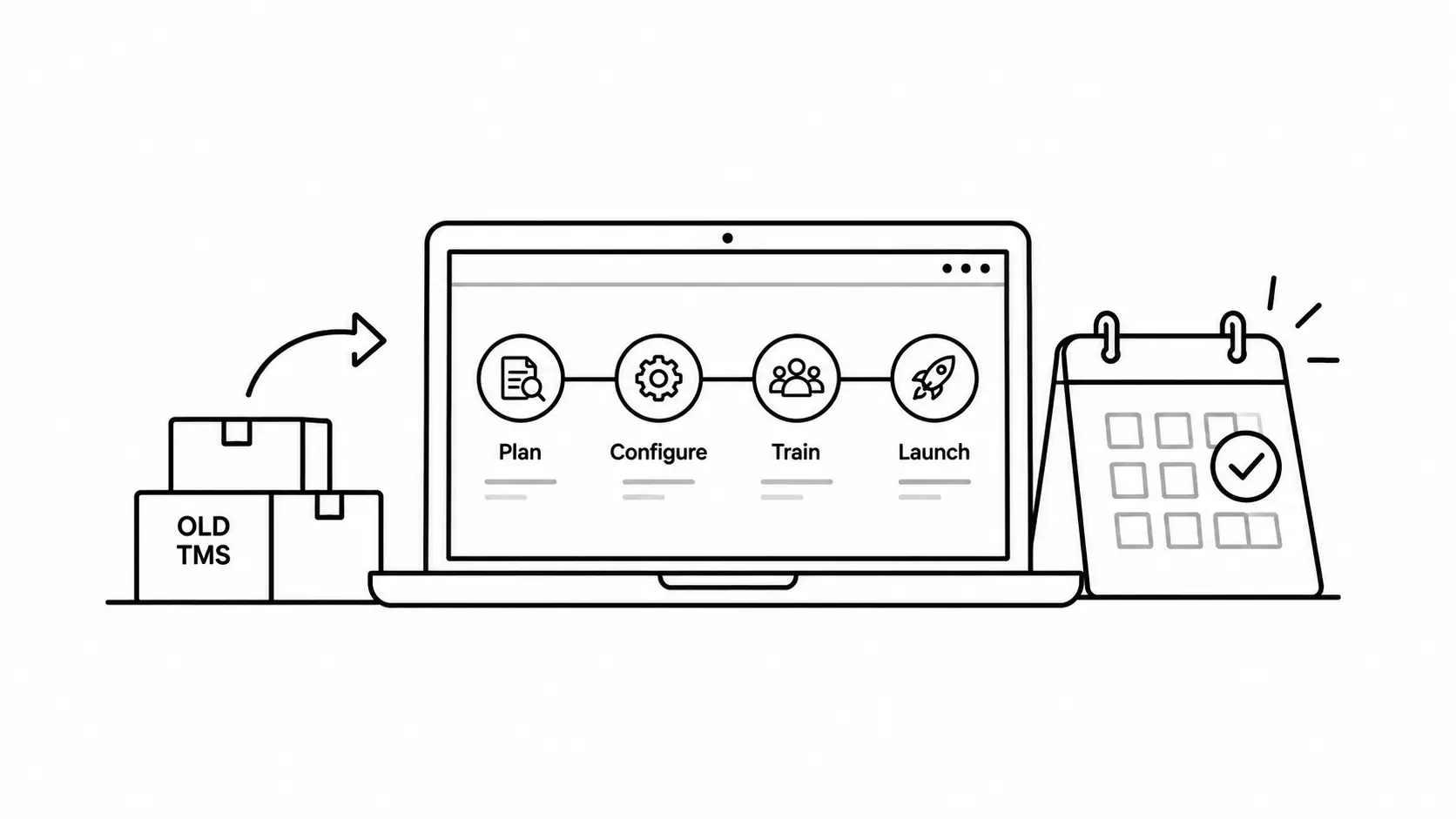
TMS Implementation Timeline: How Long Does Switching Really Take
Read Article: TMS Implementation Timeline: How Long Does Switching Really TakeA TMS implementation timeline can run anywhere from a few weeks to well over a year. That range sounds unhelpfully broad until you separate the software installation from everything surrounding it. Modern cloud software can provision an environment quickly. However, transportation teams still need to migrate customer and carrier data, configure workflows, connect accounting or…
-

Freight Broker Software Pricing: What You Should Actually Pay in 2026
Read Article: Freight Broker Software Pricing: What You Should Actually Pay in 2026A brokerage owner requests three demos in the same week. One vendor quotes $199 per user per month. Another says pricing starts at $514 flat, no contract. A third will not give a number at all until someone gets on a call. None of these numbers are directly comparable, and nobody on the buying side…
-
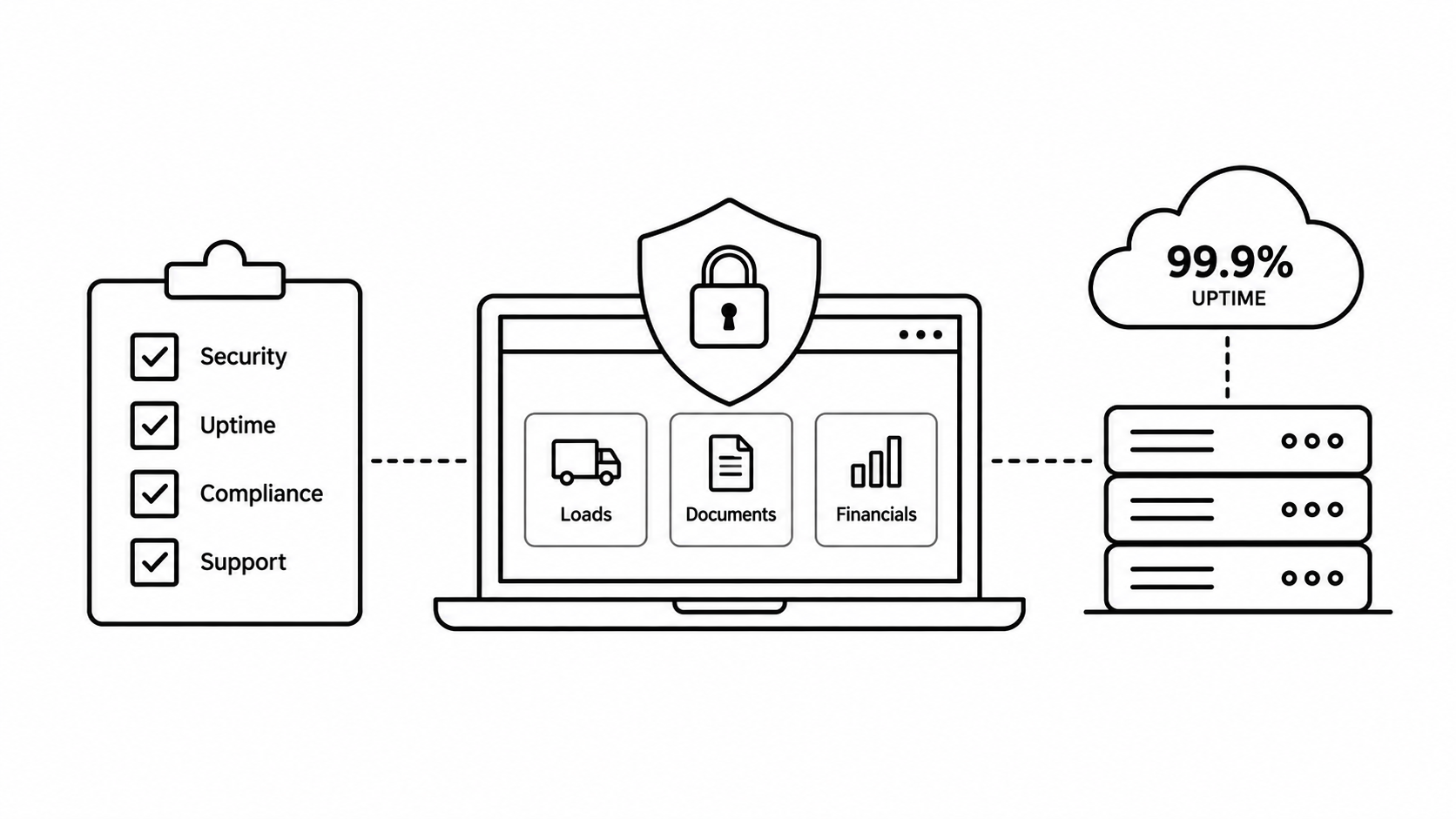
TMS Security and Uptime: How to Vet a Vendor Before You Sign
Read Article: TMS Security and Uptime: How to Vet a Vendor Before You SignTMS security usually becomes a procurement priority after someone asks a simple question: what happens if the system holding our loads, customer records, carrier information, documents, rates, and invoices becomes unavailable or compromised? By that point, the TMS may already be deeply embedded in operations. Dispatch depends on it. Customer service needs shipment status. Drivers…
Explore by business problem
What are you trying to improve?
Choose an operational priority first. Then, use the related FTM pathways to connect what you learn with the workflow it affects.
Protect Margin
Explore quoting, accessorials, freight pricing, billing, and margin visibility. As a result, it becomes easier to see where revenue can be protected before and after a load moves.
Improve Dispatch
Find guidance on dispatch, driver communication, POD, visibility, and exceptions. Meanwhile, explore how those handoffs fit into the wider transportation workflow.
Build Better Carrier Capacity
Read about carrier sourcing, diversification, onboarding, and load coverage. In addition, follow the related workflows for managing carriers and private capacity.
Automate Freight Documents
Explore BOL, POD, rate confirmations, invoicing, and document automation. For example, see how teams can reduce manual document handling while keeping the operating workflow connected.
Evaluate a TMS
Compare approaches to TMS selection, implementation, migration, pricing, and Salesforce-native architecture. Finally, use the product, comparison, and setup resources to go deeper.
Article library
All freight operations insights
Browse more guidance across freight operations, technology, carrier management, dispatch, billing, margin, AI, and automation.
-

Autonomous Vehicles vs. Drones: Logistics Game-Changers Unpacked
Read Article: Autonomous Vehicles vs. Drones: Logistics Game-Changers UnpackedEver wondered whether drones or autonomous vehicles will rule the road or the sky? Dive into this head-to-head logistics showdown and discover which solution fits your supply chain now and into the future. Understanding the Contenders: Drones vs Autonomous Vehicles Logistics Role Breakdown by Delivery Need 1. Last-Mile Delivery Drones win on speed and agility…
-

Struggling with OTIF? How to Hit On-Time, In-Full Deliveries Every Time
Read Article: Struggling with OTIF? How to Hit On-Time, In-Full Deliveries Every TimeBoost your OTIF performance, delivering orders on-time and in-full, with FTM’s real-time tools, visibility, and workflows. OTIF — On-Time, In-Full — is the gold standard for measuring delivery accuracy. It tracks whether the right products arrived at the right place, in the right quantity, and on time. For U.S. shippers, European 3PLs, and global freight…
-

Logistics KPIs for Performance
Read Article: Logistics KPIs for PerformanceStruggling to know which metrics drive real improvement? Unlock operational excellence by tracking the right Logistics KPIs for Performance, it’s time to elevate every shipment, carrier, and route. Logistics KPIs for Performance: Why They Matter In fast-paced supply chains across the US, Canada, Europe, Asia, and Australia, measuring the right mix of logistics KPIs transforms…
-
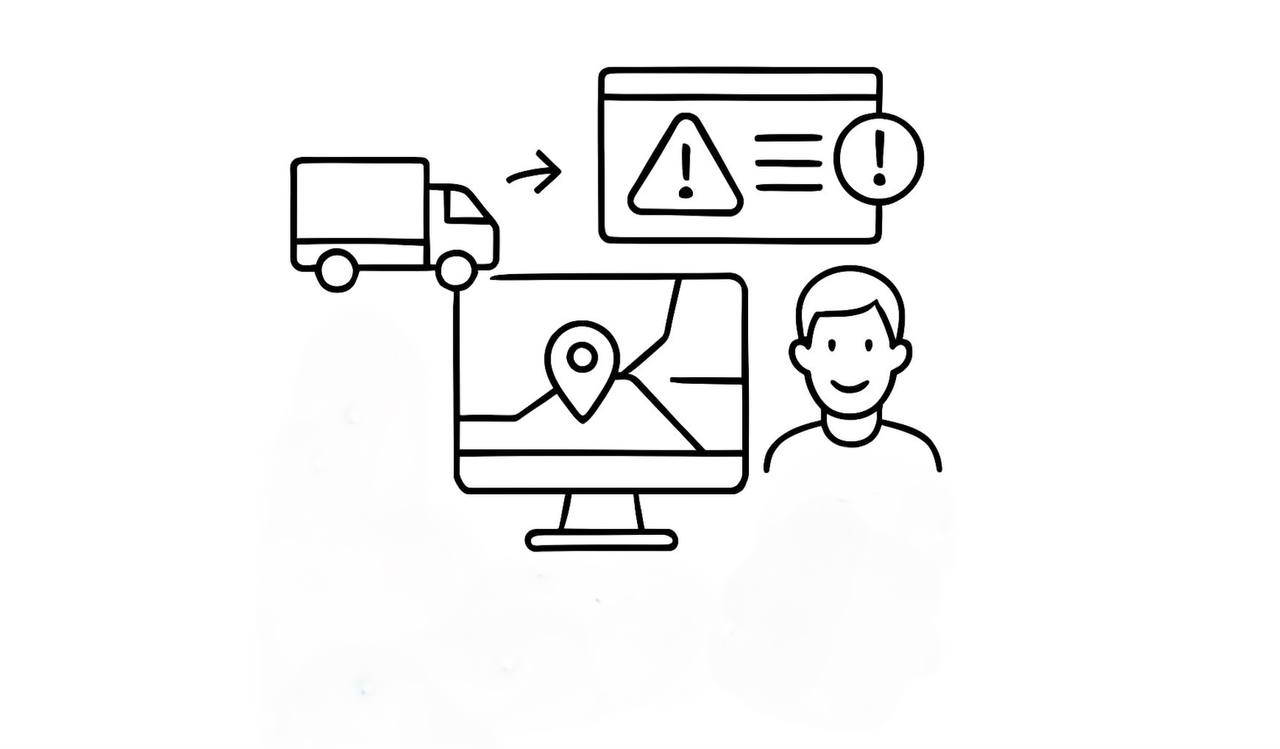
Real-Time Exception Management: Avoiding Detention Fees with FTM Alerts
Read Article: Real-Time Exception Management: Avoiding Detention Fees with FTM AlertsStop losing money to detention fees. Real-time exception management is the key to preventing small disruptions from snowballing into costly problems. Discover how FTM’s real-time alerts help brokers, carriers, and shippers catch exceptions early and keep operations moving. In freight, minutes matter. When a truck sits for too long on the dock, you’re expediting wasted…
-

TMS Freight Visibility: Enhance Shipment & Carrier Transparency
Read Article: TMS Freight Visibility: Enhance Shipment & Carrier TransparencyStruggling with blind spots in your logistics network? Leverage powerful TMS freight visibility strategies to track shipments and carriers in real time, streamline operations, and boost performance globally. TMS Freight Visibility – Why It Matters In today’s fast-moving logistics landscape, especially across the US, Canada, Europe, Asia, and Australia, operational blind spots can cost dearly.…
-
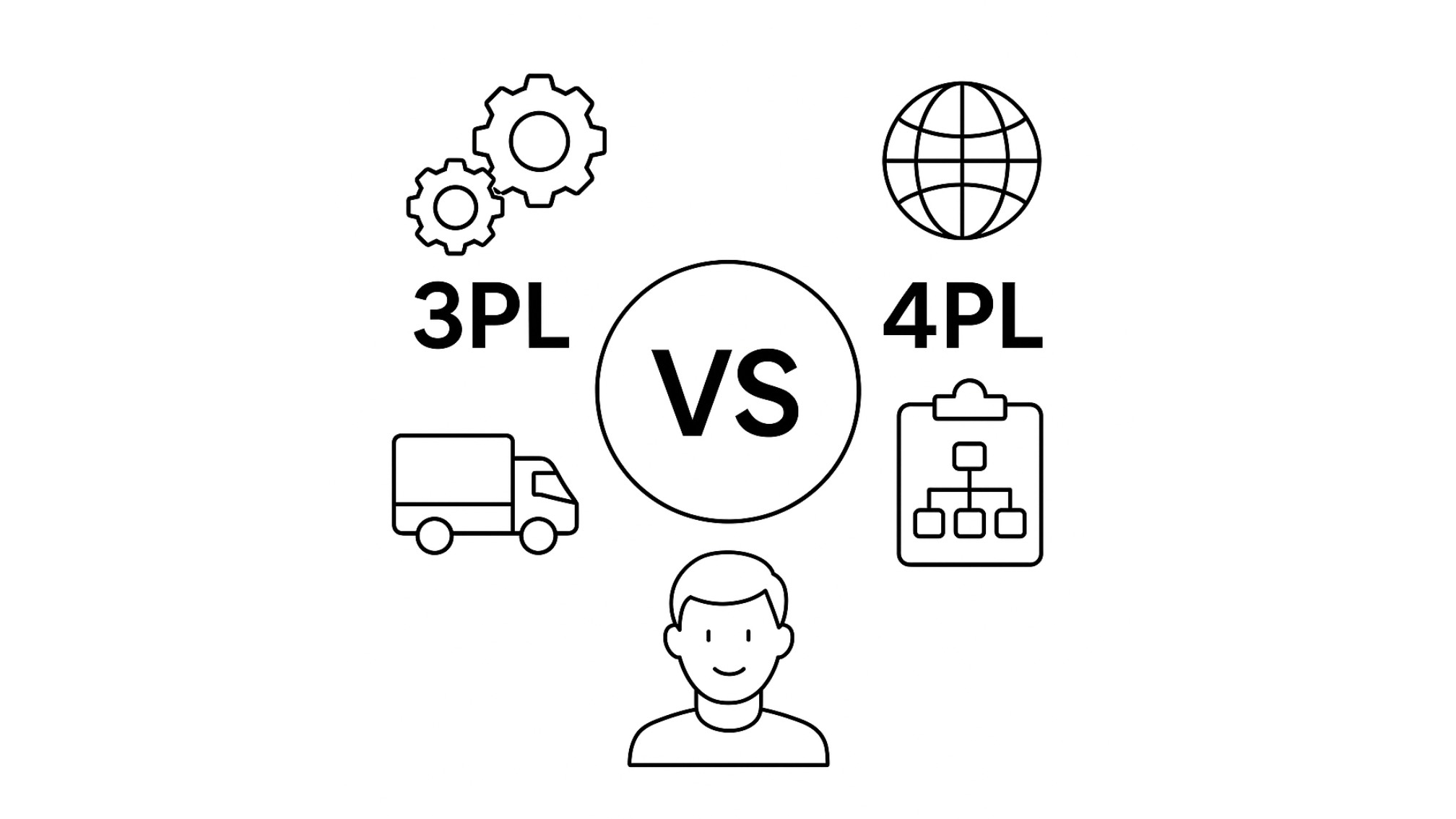
3PL vs. 4PL Providers: Which Is Right for Your Logistics Strategy?
Read Article: 3PL vs. 4PL Providers: Which Is Right for Your Logistics Strategy?Explore the differences, 3PL vs. 4PL logistics, evaluate which model aligns with your strategic goals, and learn how FTM’s powerful platform supports both. Outsourcing logistics is common in freight management. As a shipper looking to optimize operations or a carrier growing via outsourced capacity, it’s important to know the difference between 3PL and 4PL. This…
-
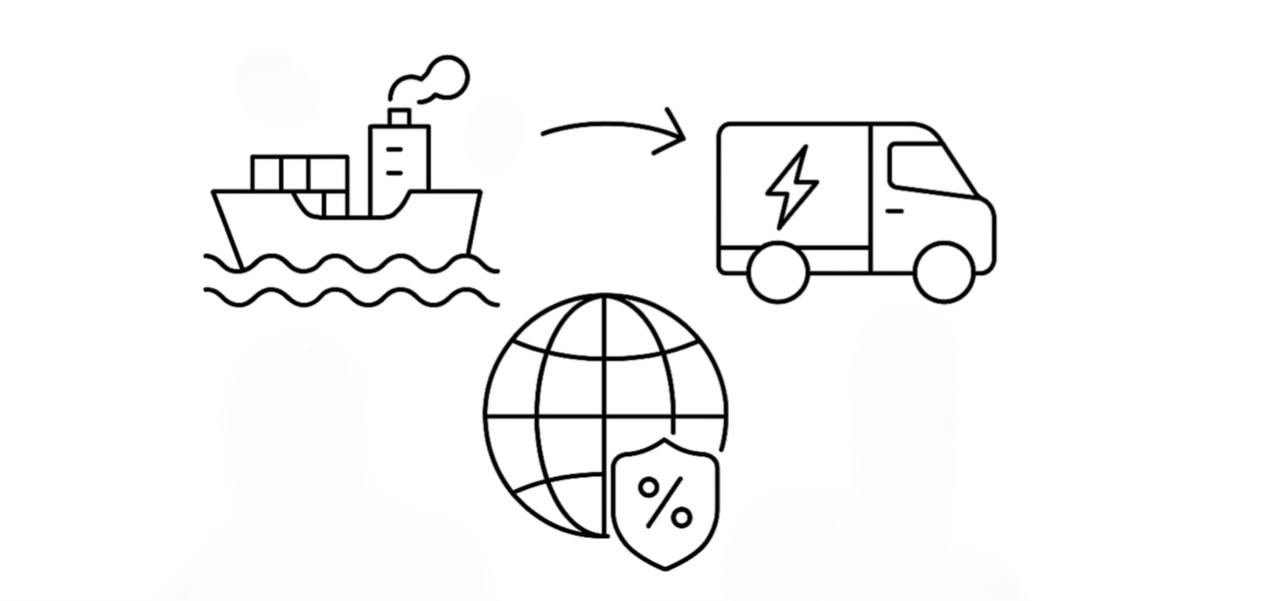
Freight News Weekly: Trends & Impact
Read Article: Freight News Weekly: Trends & ImpactOur ”Freight News Weekly trends & impact” takes you through the critical updates from July 23–29, analyzing tech, trade barriers, and energy shifts that demand attention now. In logistics, even a week can shift the course of supply chains. Freight News Weekly, Trends & Impact – Tech & Innovation Delhi Launches Logistics Policy 2025 Delhi announces…
-

Top 7 Freight KPIs to Track Weekly for Higher Margins & Better Performance
Read Article: Top 7 Freight KPIs to Track Weekly for Higher Margins & Better PerformanceLearn top 7 KPIs for freight managers that should track weekly, backed by real-world benchmarks, glossary references, and TMS tools to drive performance. In fast-moving logistics, freight managers can no longer afford to “set it and forget it.” Freight managers need to closely track performance data on a weekly basis to ensure daily operations are…
-

Weekly Freight News: Global Logistics Update, Choose Smarter With It
Read Article: Weekly Freight News: Global Logistics Update, Choose Smarter With ItIn logistics, one week can reshape supply chains.Therefore Peruse our Weekly Freight News, Global Logistics Update, whereas it’s a concise summary of global freight developments from July 15–22, 2025, with expert analysis you need to stay competitive. Weekly Freight News: Global Logistics Update – Tech Innovations Germany Boosts AI Port Automation Hamburg Port has deployed AI-powered…
-
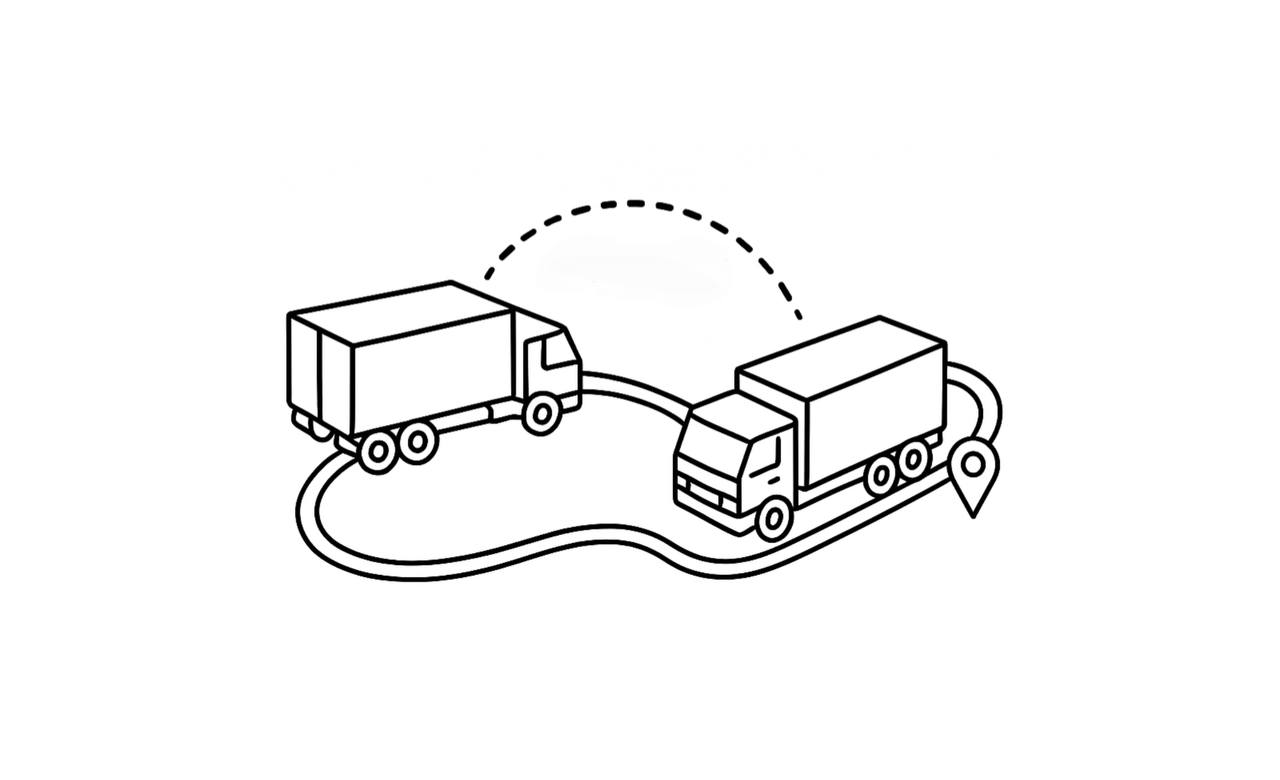
What Are Deadhead Miles And How to Reduce Them in Your Fleet
Read Article: What Are Deadhead Miles And How to Reduce Them in Your FleetDeadhead miles fuel increase costs, waste time, and drive down your fleet’s profitability. Find out how carriers, shippers, and brokers can cut down deadhead trips with smarter logistics solutions such as FTM. The Hidden Cost of Empty Trucks Deadhead miles, or deadhead trips, are the miles that a truck drives without a load. This generally…
-
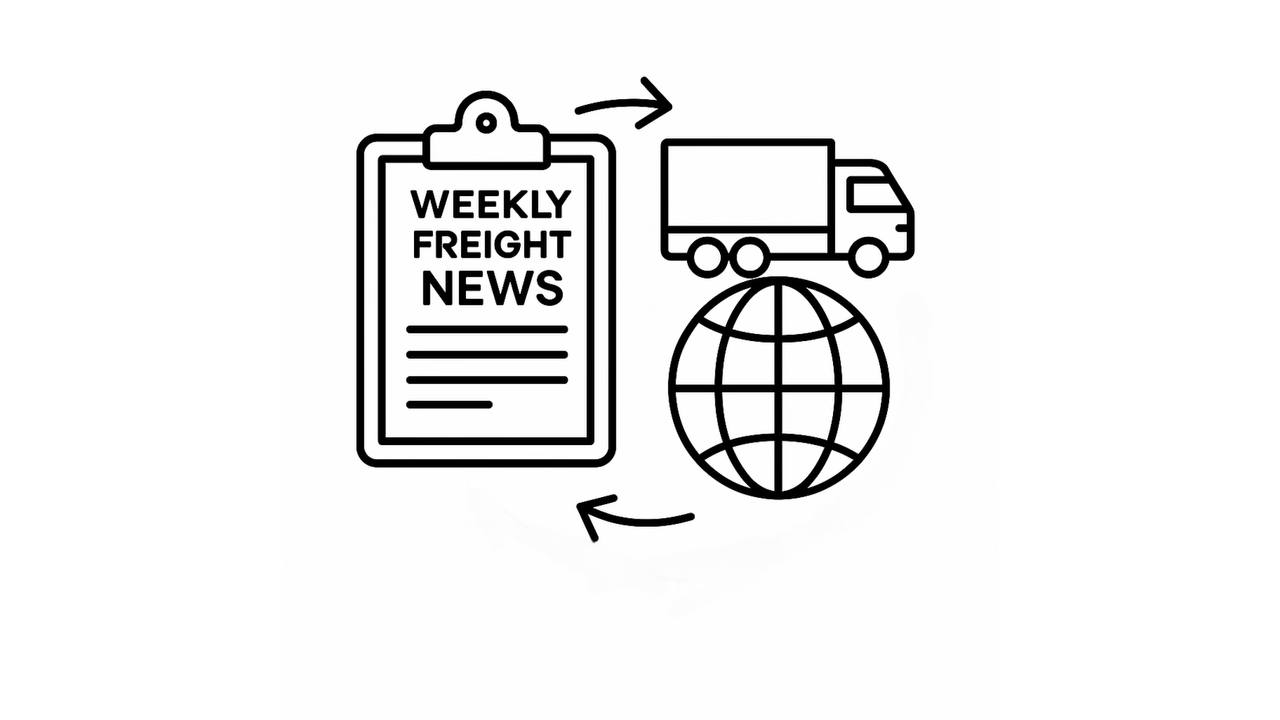
Weekly Freight News: Global Trends in Tech, Tariffs & Fuel Impacting Logistics
Read Article: Weekly Freight News: Global Trends in Tech, Tariffs & Fuel Impacting LogisticsIn an ever-shifting logistics world, staying informed through weekly freight news isn’t just smart, In fact it’s essential. From technology breakthroughs to global fuel changes and shifting tariffs, the freight industry is in constant motion. This week, we’ve curated and analyzed the most important global freight developments, categorized for clarity and strategic insight. Here’s what…
-

Automating Proof-of-Delivery (POD): Faster Cash Flow, Fewer Disputes, Better Operations
Read Article: Automating Proof-of-Delivery (POD): Faster Cash Flow, Fewer Disputes, Better OperationsLearn how automated Proof-of-Delivery systems reduce disputes, accelerate invoicing, and streamline logistics operations. See how FTM transforms POD into a competitive advantage. Understanding Proof of Delivery: More Than Just a Signature A Proof of Delivery (POD) involves more than just peeking at a signed piece of paper from the receiver. It means comprehensive documentation in…
Continue exploring
Connect the insight to the workflow
When an article answers the first question, these focused pathways can help you explore the operational context behind it.
AutoFill
Explore the FTM workflow for document-driven freight operations.
Explore AutoFill → Customer visibilityCustomer Portal
See how customers can follow the transportation information shared with them.
Explore the portal → Connected systemsFTM Integrations
Browse the integration paths that support connected freight workflows.
View integrations → Operational guidanceFreight Resources
Continue with FTM guides, documents, glossary entries, and setup resources.
Browse resources →Looking for a better way to run transportation operations?
Explore how FTM connects quoting, dispatch, drivers, customers, documents, billing, and reporting inside Salesforce.
