On this page
How Logistics Companies Lose Money Without Automation
Most logistics companies do not lose money because of one major operational failure.
Instead, profit slowly disappears through delays, manual processes, poor visibility, and disconnected communication. Over time, those small inefficiencies create larger operational problems that become difficult to control.
A dispatcher spends extra time tracking down shipment updates. A billing issue delays payment because paperwork was entered manually. A customer calls repeatedly asking for an ETA because systems are not connected in real time.
Individually, these problems may seem manageable. Collectively, they create friction across the entire supply chain.
As transportation networks become more complex, logistics automation is becoming essential for companies that want to scale efficiently, improve service, and protect margins.
Manual Logistics Workflows Create Hidden Costs
Many logistics operations still depend heavily on spreadsheets, emails, phone calls, and disconnected software tools.
At lower shipment volumes, these workflows may appear sustainable. However, as freight activity increases, manual coordination starts slowing down the operation itself.
Small delays begin stacking together:
- Dispatchers manually update load statuses
- Drivers wait longer for instructions
- Teams duplicate data entry across systems
- Customers receive delayed shipment updates
- Exceptions go unnoticed until escalation
Eventually, operations teams spend more time reacting to issues than improving performance.
The financial impact becomes significant because inefficiency affects nearly every part of transportation management, including labor costs, fuel usage, customer retention, and detention fees.
Read more: How to Choose the Right TMS for Your Logistics Company
How Logistics Automation Improves Operational Visibility
One of the biggest operational weaknesses in logistics is limited visibility.
Without connected systems, teams often struggle to understand where shipments are, what problems are developing, and which loads require immediate attention.
As a result, communication slows down.
Dispatchers chase updates manually. Customer service teams rely on phone calls for ETAs. Managers spend valuable time piecing together information from multiple systems.
Logistics automation changes this completely.
Modern transportation platforms centralize shipment tracking, dispatch workflows, carrier communication, and operational alerts into one connected environment. This allows teams to respond faster and make decisions with greater accuracy.
Instead of discovering delays after they impact customers, operations teams gain visibility early enough to take action proactively.
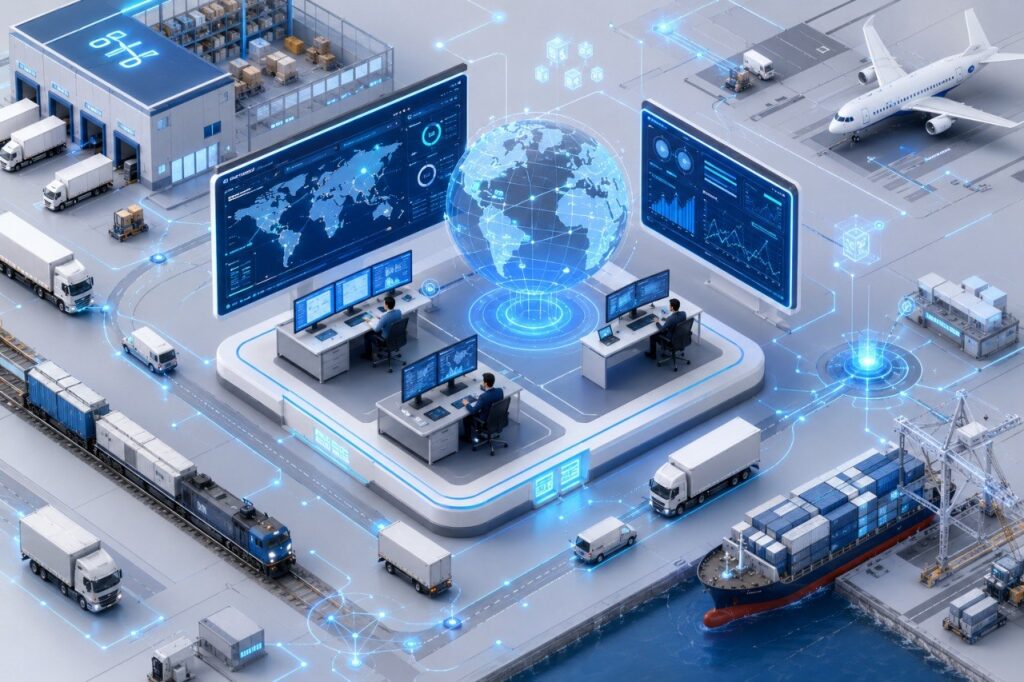
Companies that improve visibility through automation often see measurable improvements in operational speed, customer satisfaction, and delivery consistency.
| Operational Area | Impact of Logistics Automation |
|---|---|
| Shipment Visibility | Faster issue detection |
| Dispatching | Reduced manual coordination |
| Customer Service | More accurate ETAs |
| Exception Handling | Faster response times |
| Operational Scalability | Easier growth management |
Read more: Why Integration Will Be the #1 Priority for TMS Buyers
Delayed Decisions Reduce Profitability
In logistics, speed matters.
When teams rely on manual processes, decision-making becomes slower at every stage of the shipment lifecycle. Even minor delays can create ripple effects across scheduling, routing, and customer communication.
For example, a missed shipment update may lead to unnecessary check calls. A delayed dispatch decision can increase idle time for drivers and equipment. Poor communication between teams may create duplicate work or prevent quick responses during disruptions.
These problems become more expensive as freight volume grows.
Logistics automation helps eliminate those slowdowns by reducing repetitive administrative work and improving real-time coordination.
Automated systems can instantly trigger alerts, update shipment statuses, and synchronize operational data across teams. Consequently, dispatchers and managers spend less time chasing information and more time solving higher-value operational challenges.
This creates a faster, calmer workflow that scales more effectively under pressure.
Why Logistics Automation Prevents Reactive Operations
Many logistics teams operate reactively without realizing it.
Problems are addressed only after customers complain, drivers escalate issues, or delays become unavoidable. This creates constant operational pressure because teams never gain enough visibility to stay ahead of disruptions.
Modern logistics automation shifts operations from reactive to proactive.
For instance, predictive tracking tools can identify potential delays before delivery windows are missed. Automated exception alerts can flag stalled shipments instantly. Routing systems can adapt to traffic or weather conditions in real time.
As a result, teams gain more control over freight movement instead of constantly responding to emergencies.
This operational stability becomes increasingly important as customer expectations continue rising across the logistics industry.
Read more: How Poor Data Management Will Hurt Freight Companies
The Companies Scaling Fastest Are Automating Early
Technology is no longer just a support tool for logistics companies.
Today, it directly influences profitability, service quality, and scalability.
Companies investing in logistics automation are building faster operations with stronger visibility and fewer manual bottlenecks. They are also creating better experiences for both customers and internal teams.
Meanwhile, businesses relying on outdated workflows often struggle to maintain efficiency as shipment volume increases.
The gap becomes especially visible during periods of disruption or rapid growth.
Operations that depend heavily on manual coordination typically require more labor to scale. In contrast, automated systems standardize workflows and reduce operational friction as complexity increases.
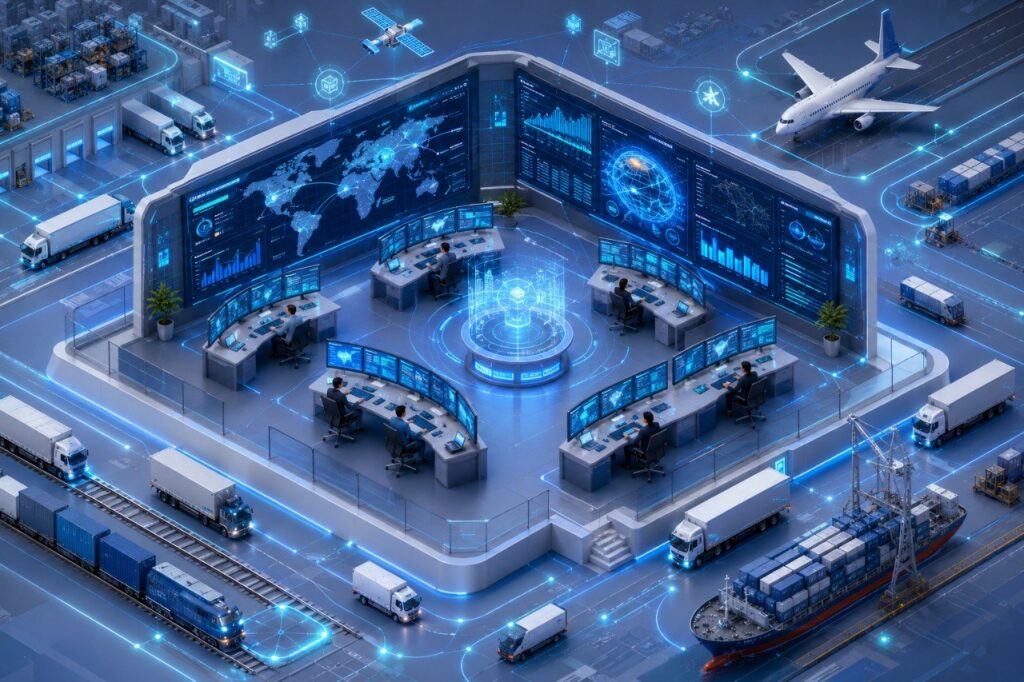
Over time, automation becomes more than an efficiency upgrade. It becomes a competitive advantage.
How FTM Helps Logistics Teams Operate More Efficiently
FTM helps logistics companies simplify operations through connected, automation-driven workflows built for modern freight management. Instead of relying on disconnected systems and manual coordination, teams can manage dispatching, shipment visibility, communication, and operational alerts from a single platform.
As a result, operations teams can move faster without adding unnecessary complexity. Better visibility and automated workflows help reduce repetitive administrative work, improve day-to-day coordination, and identify disruptions before they impact customers or profitability.
Most importantly, FTM helps teams spend less time reacting to operational friction and more time improving performance. As logistics networks become more demanding, companies that embrace automation will be better positioned to scale efficiently, maintain service quality, and stay competitive in a rapidly evolving industry.
Ready to see FTM in action?
Book a live demo and we’ll walk you through the full document workflow: BOL, Rate Con, Invoice, and Lane Quote – directly inside the platform.
