FTM Blog
Freight Operations Insights
The FTM freight transportation management blog shares practical guidance on dispatch, carrier operations, billing, margin, freight technology, AI, and automation. Whether you manage broker, carrier, or shipper operations, use this hub to find clearer answers and the next useful resource.
Featured
Start with one timely freight insight
Begin with a timely perspective on the operational decisions shaping freight teams today. Then, continue into the latest articles or choose a specific business problem.
-
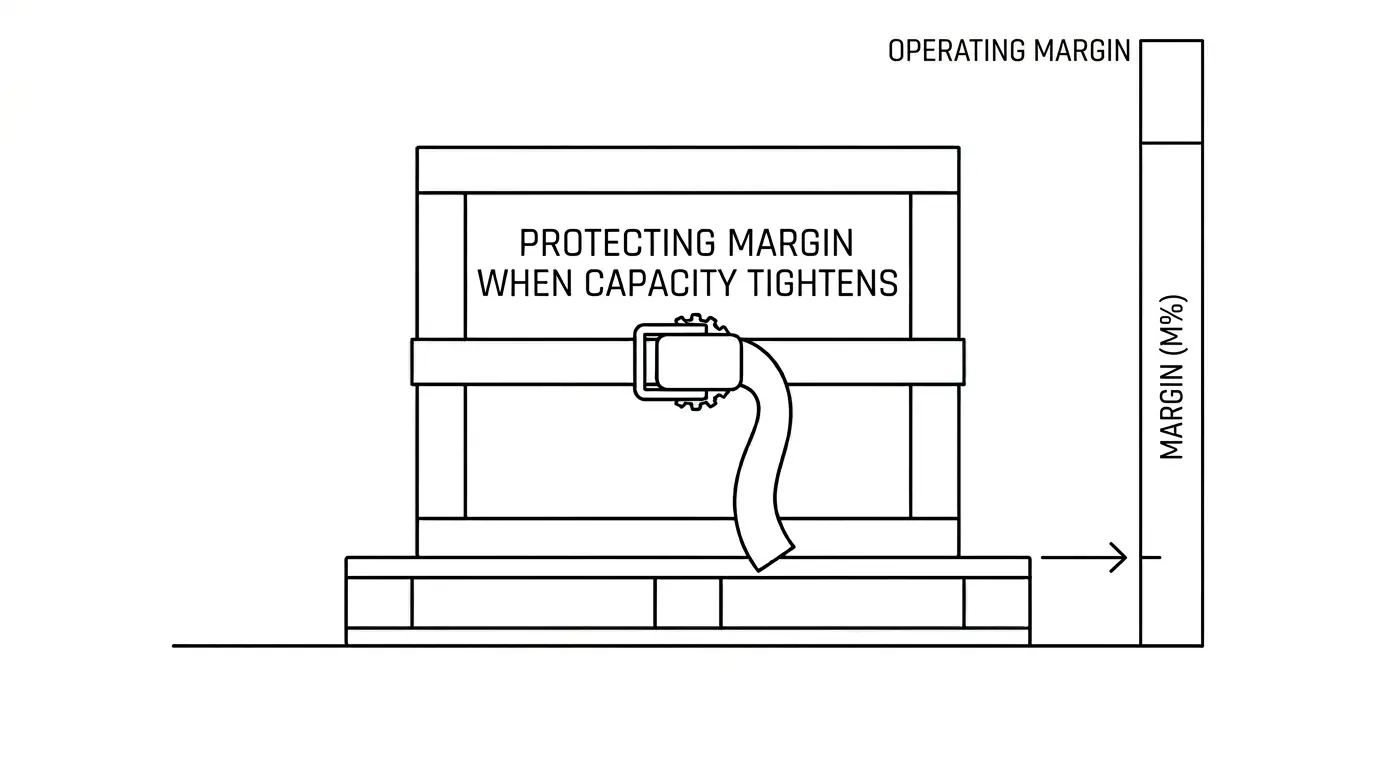
How Freight Brokers Can Protect Margin When Capacity Tightens
Read Article: How Freight Brokers Can Protect Margin When Capacity TightensPicture a 1,000-mile load sold at $2,600 and covered at $2,300. On Thursday, the carrier declines. The next truck costs $250 more. Your $300 margin just became $50, and nobody made a mistake. That is what tight capacity does to freight broker margin. Margin is the gap between what the shipper pays and what the…
Recently published
Latest insights
See the newest practical thinking from FTM, from day-to-day freight work to long-term transportation strategy.
-
How to Negotiate Better Fuel Surcharge Terms with Shippers
Read Article: How to Negotiate Better Fuel Surcharge Terms with ShippersPicture the renewal packet that lands in a carrier owner’s inbox at 4pm on a Friday. The linehaul rate has not moved. One number in the fuel surcharge table has: the base went from $1.25 to $2.50. At today’s diesel price, that single edit takes about $0.21 out of every loaded mile, and nobody had…
-
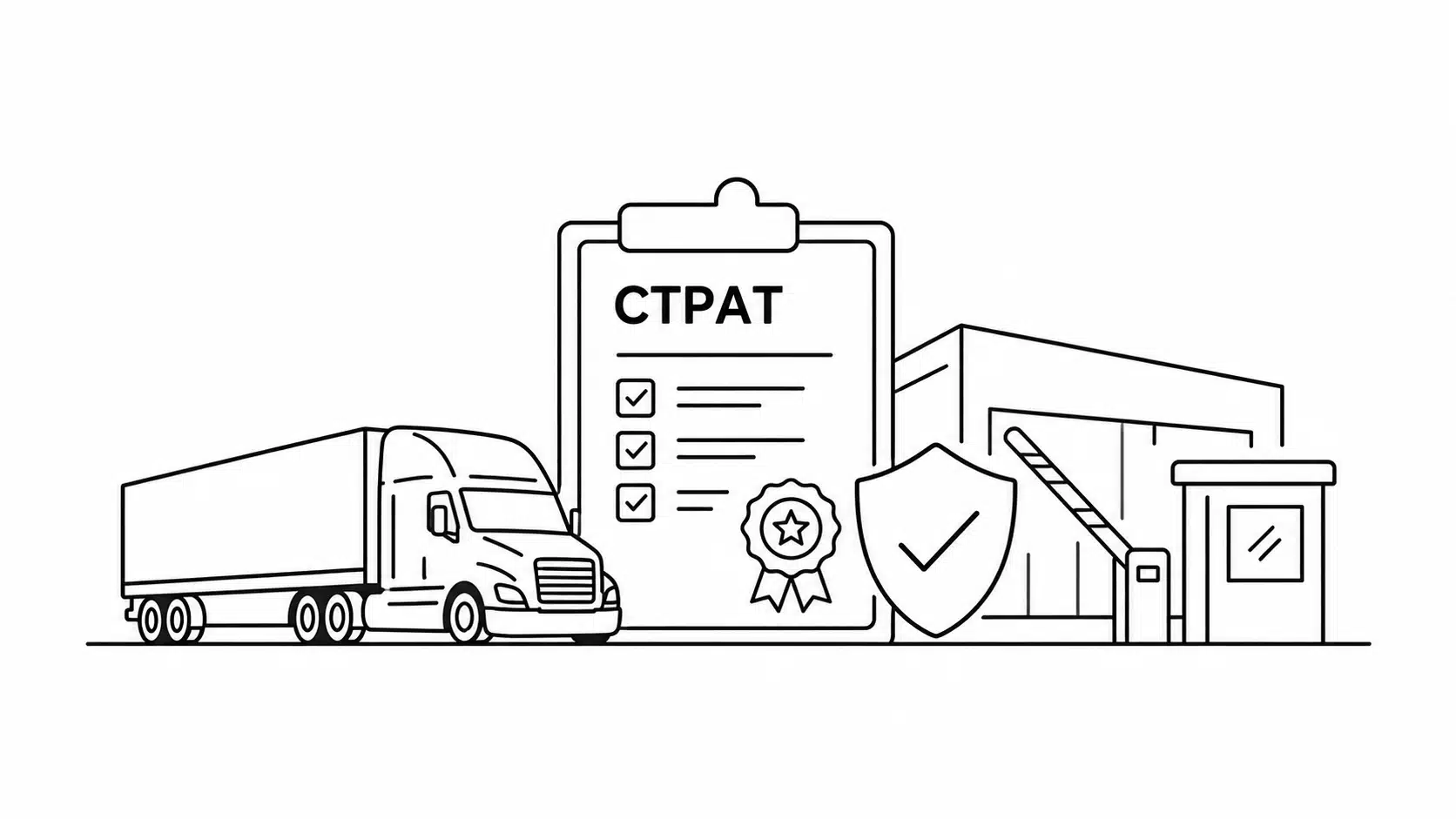
CTPAT Certification: How Carriers Can Qualify and What It Gets You
Read Article: CTPAT Certification: How Carriers Can Qualify and What It Gets YouA carrier can maintain its DOT authority, insurance, and safety compliance and still fall short of what a cross-border shipper expects from a transportation partner. For freight moving between the United States, Canada, and Mexico, cargo security introduces another set of questions: Who inspects the trailer? How does the carrier control seals? Can dispatch identify…
-
How AI Detects Freight Fraud Before It Costs You a Load
Read Article: How AI Detects Freight Fraud Before It Costs You a LoadA dispatcher books a reefer load with a carrier whose MC number checks out, whose insurance certificate looks current, and whose rate confirmation comes back signed within the hour. Two days later, the pickup location calls asking where the truck is. It never arrived. The MC number was real. The company behind it was not…
Explore by business problem
What are you trying to improve?
Choose an operational priority first. Then, use the related FTM pathways to connect what you learn with the workflow it affects.
Protect Margin
Explore quoting, accessorials, freight pricing, billing, and margin visibility. As a result, it becomes easier to see where revenue can be protected before and after a load moves.
Improve Dispatch
Find guidance on dispatch, driver communication, POD, visibility, and exceptions. Meanwhile, explore how those handoffs fit into the wider transportation workflow.
Build Better Carrier Capacity
Read about carrier sourcing, diversification, onboarding, and load coverage. In addition, follow the related workflows for managing carriers and private capacity.
Automate Freight Documents
Explore BOL, POD, rate confirmations, invoicing, and document automation. For example, see how teams can reduce manual document handling while keeping the operating workflow connected.
Evaluate a TMS
Compare approaches to TMS selection, implementation, migration, pricing, and Salesforce-native architecture. Finally, use the product, comparison, and setup resources to go deeper.
Article library
All freight operations insights
Browse more guidance across freight operations, technology, carrier management, dispatch, billing, margin, AI, and automation.
-
What Are the Hidden Logistics Costs & How Do You Cut Them?
Read Article: What Are the Hidden Logistics Costs & How Do You Cut Them?In the fast-paced world of logistics, expenses often go beyond the obvious costs of transportation and warehousing. While these direct costs are easy to track, hidden costs can quietly erode profit margins if not carefully managed. Therefore, understanding these concealed expenses and implementing cost-saving strategies is essential for businesses aiming to improve efficiency and profitability.…
-

AI-Powered TMS and the Future of Supply Chain Management
Read Article: AI-Powered TMS and the Future of Supply Chain ManagementThe Evolution of Transportation Management Systems For decades, Transportation Management Systems (TMS) have played a crucial role in logistics and supply chain management. However, traditional TMS solutions have largely depended on historical data and manual processes, leading to inefficiencies. As businesses strive to improve speed, accuracy, and cost-effectiveness, AI-powered TMS has emerged as a game-changer.By…
-
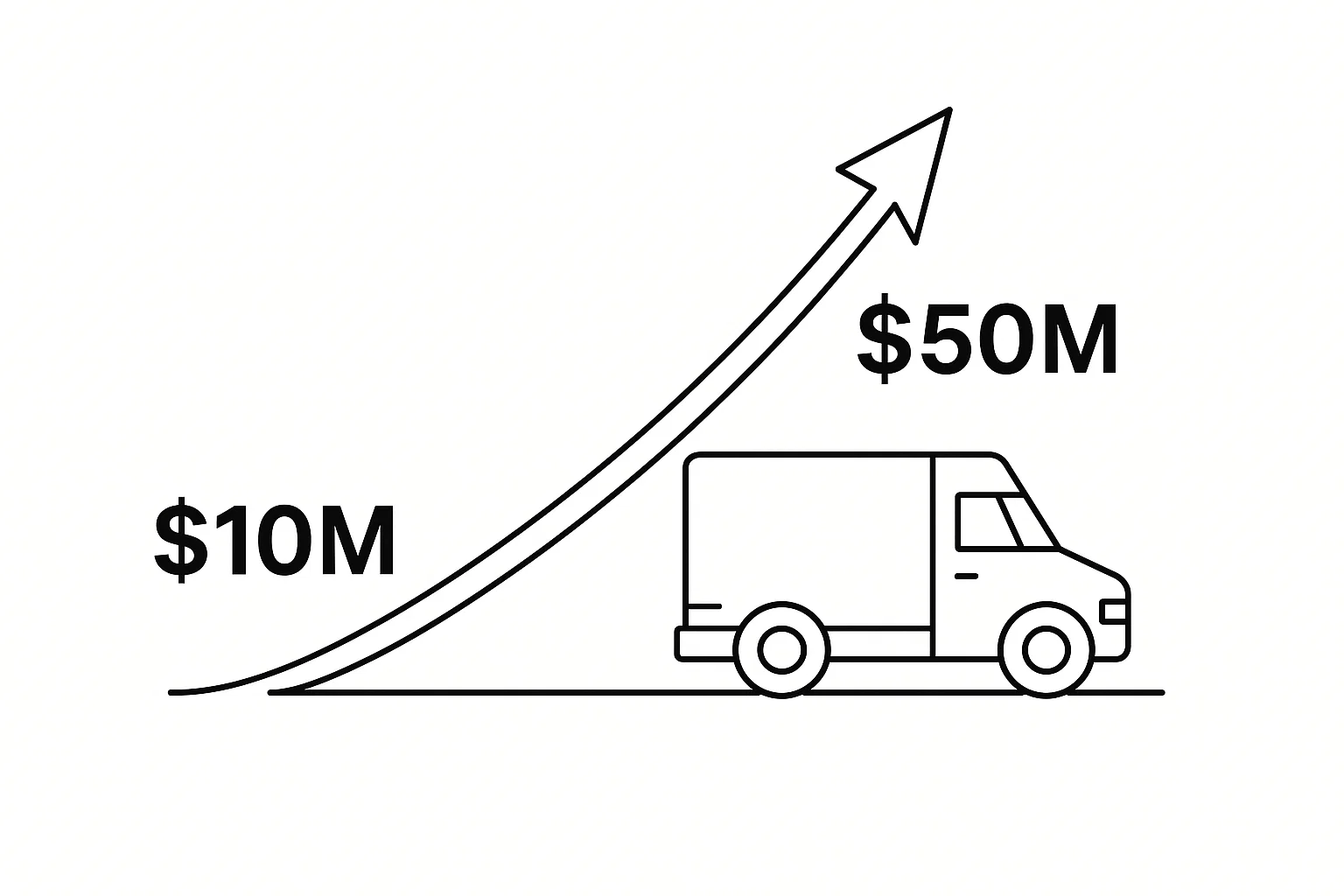
Scaling Carriers: How to Grow from $10M to $50M in Revenue
Read Article: Scaling Carriers: How to Grow from $10M to $50M in RevenueReaching $10 million in revenue is a significant milestone for carriers, but scaling carriers to $50 million requires a strategic shift. The most successful carriers don’t just haul more loads—they optimize operations, secure high-paying contracts, leverage technology, and expand strategically. In this guide, we’ll break down how scaling carriers can reach $50M using proven methods…
-

Career in Logistics: How to Build a High-Paying One
Read Article: Career in Logistics: How to Build a High-Paying OneA career in logistics offers excellent earning potential, but success requires specialized skills, certifications, and industry awareness. As the logistics industry continues to grow, professionals who invest in these areas can secure high-paying positions. Whether you’re just starting or looking to advance, these three strategies will significantly increase your chances of success. Specialize to Build…
-

Freight Shipping Options: Save Money, Time, & Eco-Friendly
Read Article: Freight Shipping Options: Save Money, Time, & Eco-FriendlyChoosing the right freight shipping options is vital for businesses striving to cut costs, meet deadlines, and reduce their environmental impact. This guide explores the main shipping methods, helping you decide which option best suits your needs for eco-friendliness, time-sensitivity, and budget efficiency. What Are the Main Freight Shipping Options? Freight shipping plays a vital…
-

LTL vs. FTL Shipping
Read Article: LTL vs. FTL ShippingLTL vs. FTL Shipping plays a crucial role in freight management, helping businesses choose the most efficient way to move goods. Whether you’re a small business, manufacturer, or logistics provider, understanding the differences between LTL vs. FTL shipping can save costs, improve efficiency, and protect your shipments. This blog will break down the differences, benefits,…
-
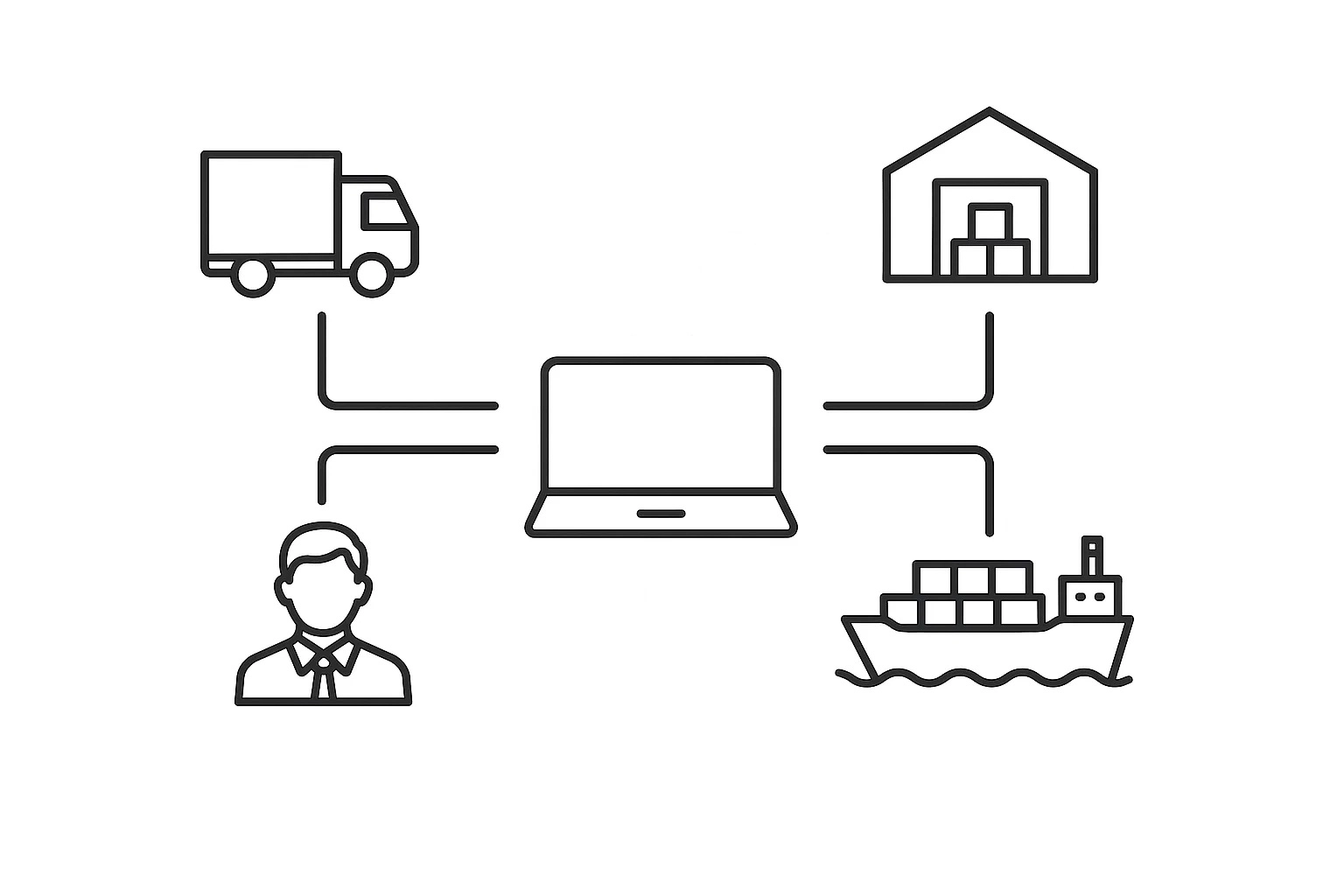
What is a TMS? Key Benefits Explained
Read Article: What is a TMS? Key Benefits ExplainedDid you know that companies using a Transportation Management System (TMS) can reduce freight costs by up to 10% while improving service levels? With global supply chains becoming more complex and customer expectations rising, businesses need smarter tools to stay competitive. A TMS is a game-changer for modern logistics, helping companies streamline operations, cut costs,…
-

Top 10 Challenges Carriers Face in 2025 and Their Solutions
Read Article: Top 10 Challenges Carriers Face in 2025 and Their SolutionsHave you ever wondered what it takes for carriers to navigate the increasingly complex transportationlandscape in 2025? Rising fuel costs, driver shortages, and supply chain disruptions are just the tip of the iceberg. With so many challenges piling up, how can carriers stay ahead of the competition whilekeeping operations efficient and costs low?The answer lies…
Continue exploring
Connect the insight to the workflow
When an article answers the first question, these focused pathways can help you explore the operational context behind it.
AutoFill
Explore the FTM workflow for document-driven freight operations.
Explore AutoFill → Customer visibilityCustomer Portal
See how customers can follow the transportation information shared with them.
Explore the portal → Connected systemsFTM Integrations
Browse the integration paths that support connected freight workflows.
View integrations → Operational guidanceFreight Resources
Continue with FTM guides, documents, glossary entries, and setup resources.
Browse resources →Looking for a better way to run transportation operations?
Explore how FTM connects quoting, dispatch, drivers, customers, documents, billing, and reporting inside Salesforce.
