FTM Blog
Freight Operations Insights
The FTM freight transportation management blog shares practical guidance on dispatch, carrier operations, billing, margin, freight technology, AI, and automation. Whether you manage broker, carrier, or shipper operations, use this hub to find clearer answers and the next useful resource.
Featured
Start with one timely freight insight
Begin with a timely perspective on the operational decisions shaping freight teams today. Then, continue into the latest articles or choose a specific business problem.
-
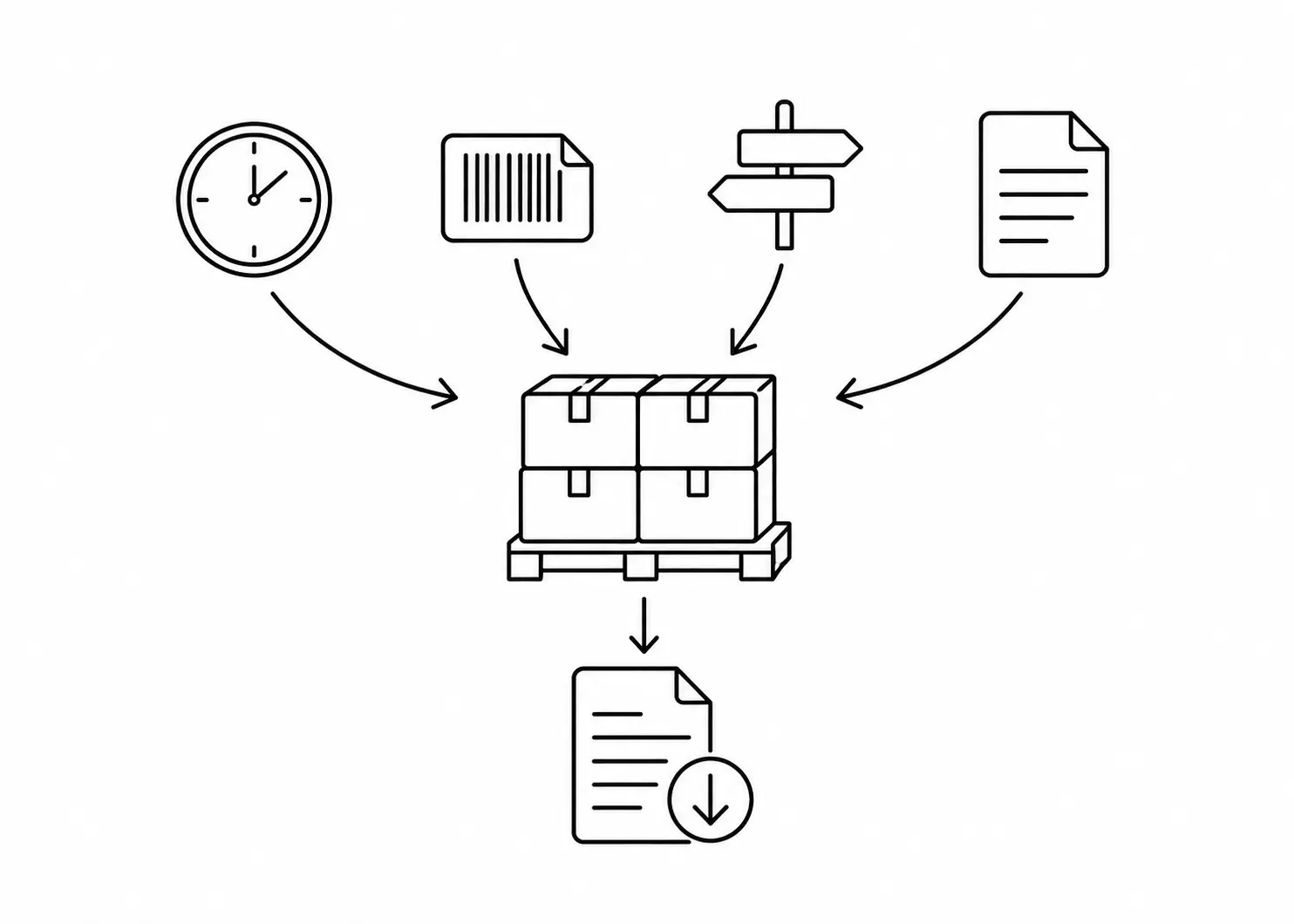
The Hidden Costs of Shipper Non-Compliance and How to Avoid Penalties
Read Article: The Hidden Costs of Shipper Non-Compliance and How to Avoid PenaltiesA pallet leaves the warehouse two hours later than planned. The order is complete, the product is correct, and nothing is physically wrong with the shipment. It still arrives outside the retailer’s must-arrive-by window. Three weeks later, a deduction appears on the remittance advice, and nobody in the finance department can immediately say which shipment…
Recently published
Latest insights
See the newest practical thinking from FTM, from day-to-day freight work to long-term transportation strategy.
-
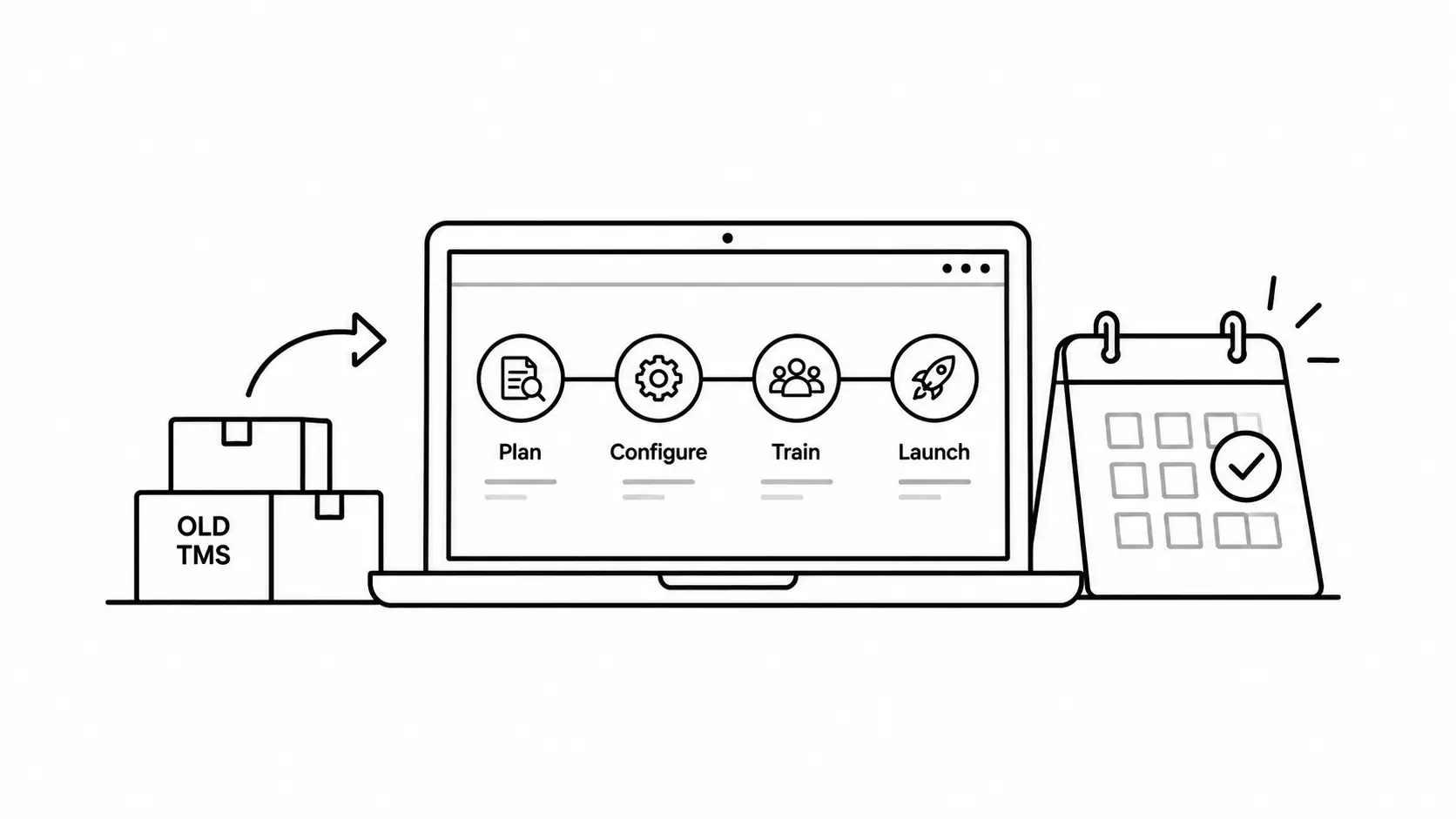
TMS Implementation Timeline: How Long Does Switching Really Take
Read Article: TMS Implementation Timeline: How Long Does Switching Really TakeA TMS implementation timeline can run anywhere from a few weeks to well over a year. That range sounds unhelpfully broad until you separate the software installation from everything surrounding it. Modern cloud software can provision an environment quickly. However, transportation teams still need to migrate customer and carrier data, configure workflows, connect accounting or…
-
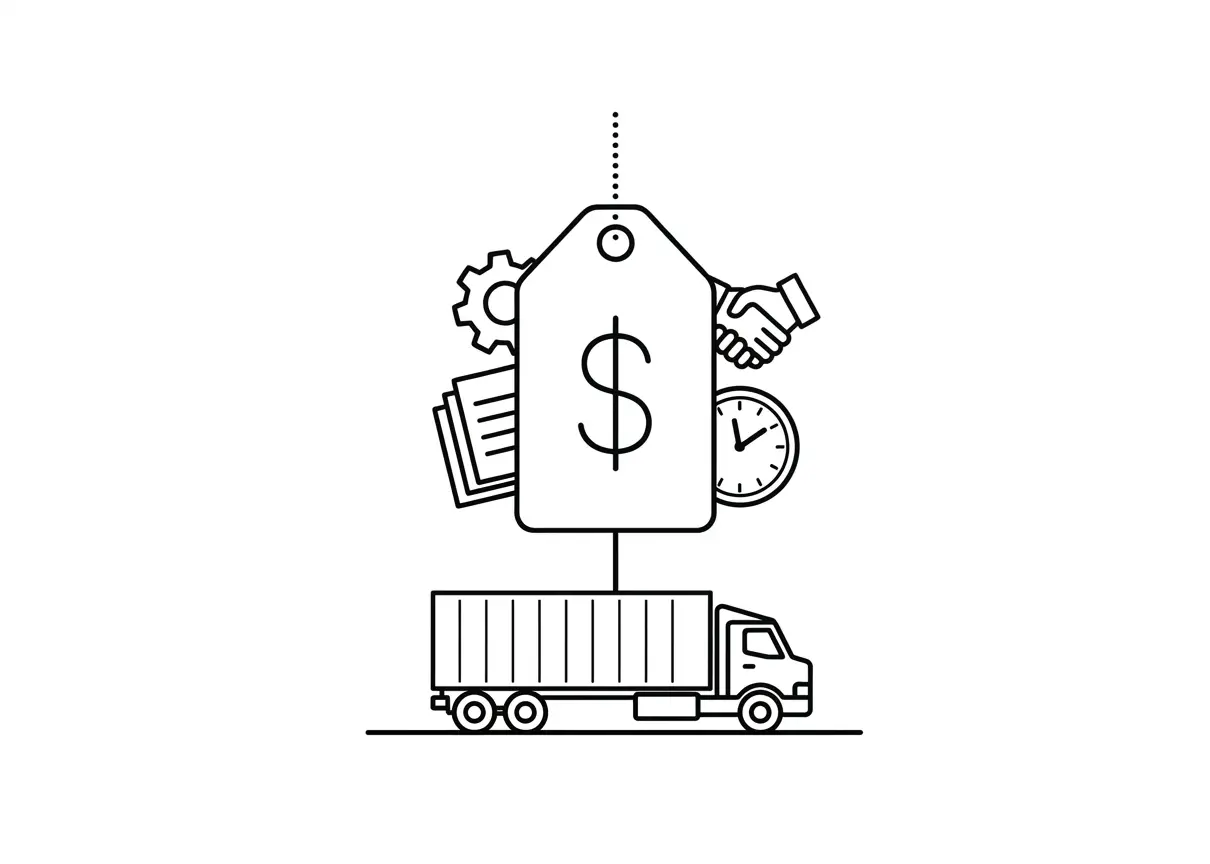
Freight Broker Software Pricing: What You Should Actually Pay in 2026
Read Article: Freight Broker Software Pricing: What You Should Actually Pay in 2026A brokerage owner requests three demos in the same week. One vendor quotes $199 per user per month. Another says pricing starts at $514 flat, no contract. A third will not give a number at all until someone gets on a call. None of these numbers are directly comparable, and nobody on the buying side…
-
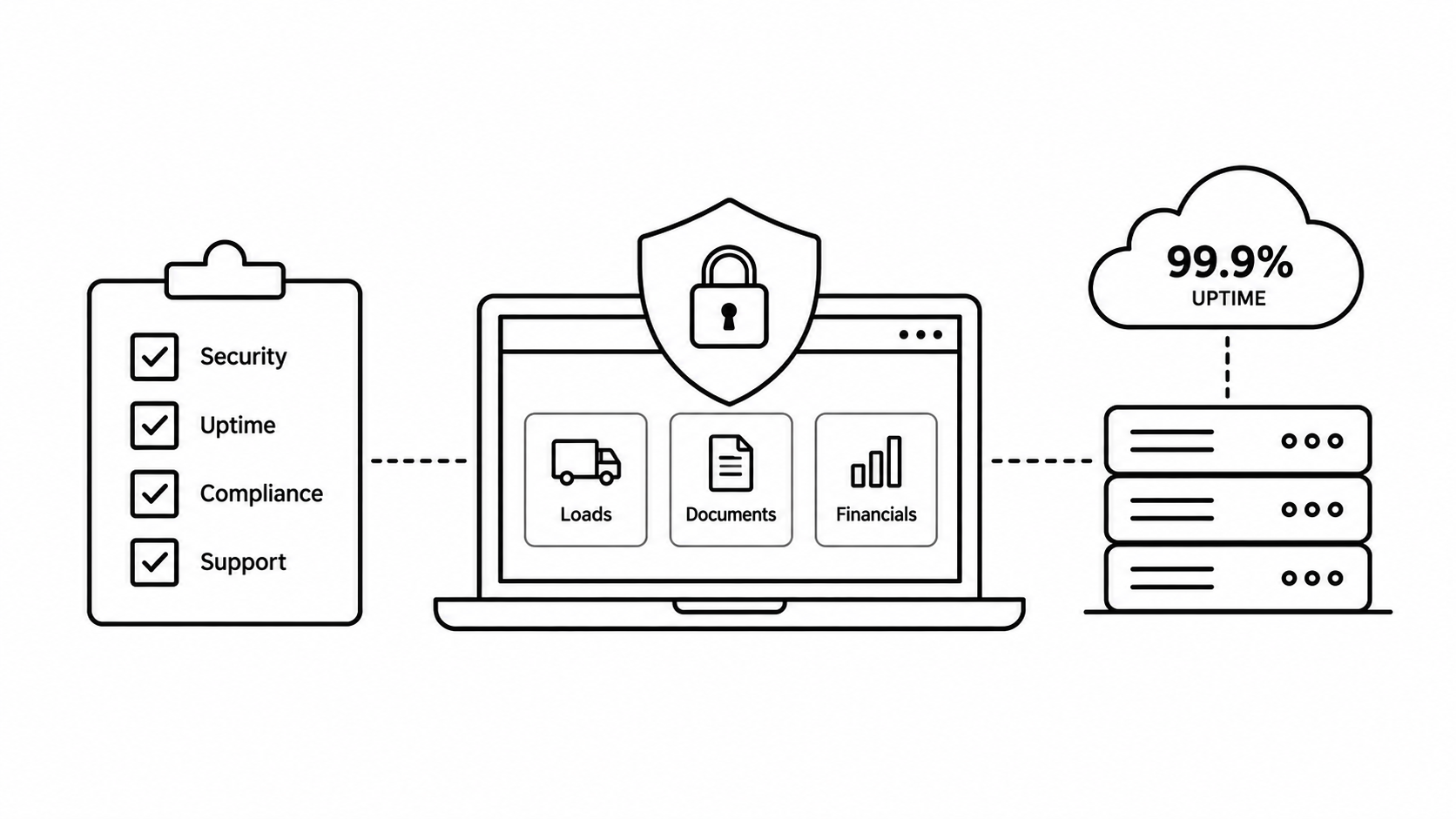
TMS Security and Uptime: How to Vet a Vendor Before You Sign
Read Article: TMS Security and Uptime: How to Vet a Vendor Before You SignTMS security usually becomes a procurement priority after someone asks a simple question: what happens if the system holding our loads, customer records, carrier information, documents, rates, and invoices becomes unavailable or compromised? By that point, the TMS may already be deeply embedded in operations. Dispatch depends on it. Customer service needs shipment status. Drivers…
Explore by business problem
What are you trying to improve?
Choose an operational priority first. Then, use the related FTM pathways to connect what you learn with the workflow it affects.
Protect Margin
Explore quoting, accessorials, freight pricing, billing, and margin visibility. As a result, it becomes easier to see where revenue can be protected before and after a load moves.
Improve Dispatch
Find guidance on dispatch, driver communication, POD, visibility, and exceptions. Meanwhile, explore how those handoffs fit into the wider transportation workflow.
Build Better Carrier Capacity
Read about carrier sourcing, diversification, onboarding, and load coverage. In addition, follow the related workflows for managing carriers and private capacity.
Automate Freight Documents
Explore BOL, POD, rate confirmations, invoicing, and document automation. For example, see how teams can reduce manual document handling while keeping the operating workflow connected.
Evaluate a TMS
Compare approaches to TMS selection, implementation, migration, pricing, and Salesforce-native architecture. Finally, use the product, comparison, and setup resources to go deeper.
Article library
All freight operations insights
Browse more guidance across freight operations, technology, carrier management, dispatch, billing, margin, AI, and automation.
-
Understanding Freight Margin Compression & 5 Ways to Fight Back
Read Article: Understanding Freight Margin Compression & 5 Ways to Fight BackPicture this. The lane you priced confidently three months ago now barely covers your costs, even though nothing about your operation has changed. The freight is moving. The trucks are rolling. Yet somehow, less money is landing in your account at the end of the month. That feeling is not in your head, and it…
-
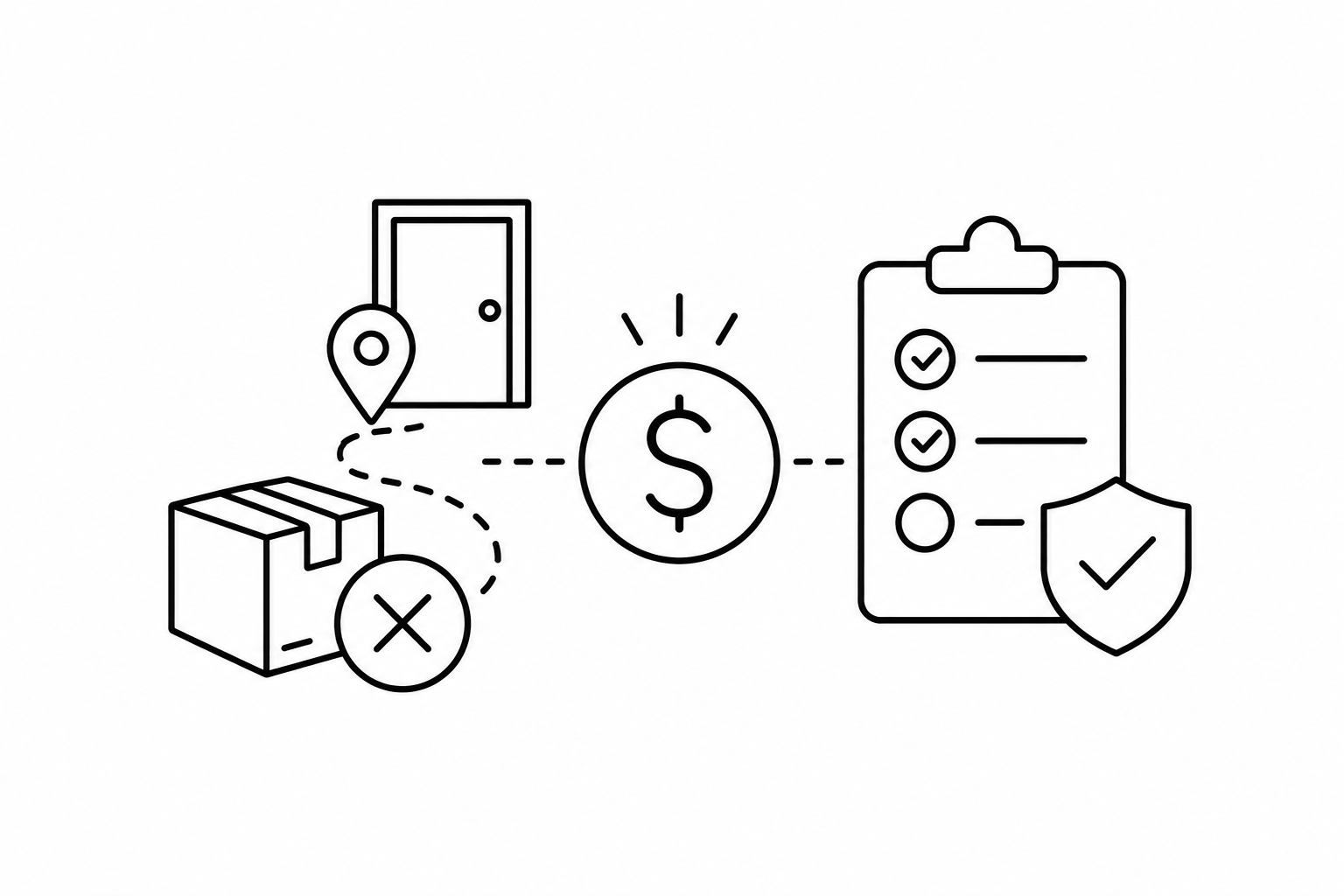
The True Cost of a Missed Delivery: How to Measure and Prevent It
Read Article: The True Cost of a Missed Delivery: How to Measure and Prevent ItA missed delivery cost is rarely limited to a late shipment. For many logistics teams, the visible expense is only the beginning. A missed appointment can trigger detention fees, customer complaints, chargebacks, inventory disruptions, operational fire drills, and even lost business. Yet many organizations continue measuring delivery performance solely through on-time percentages without understanding the…
-
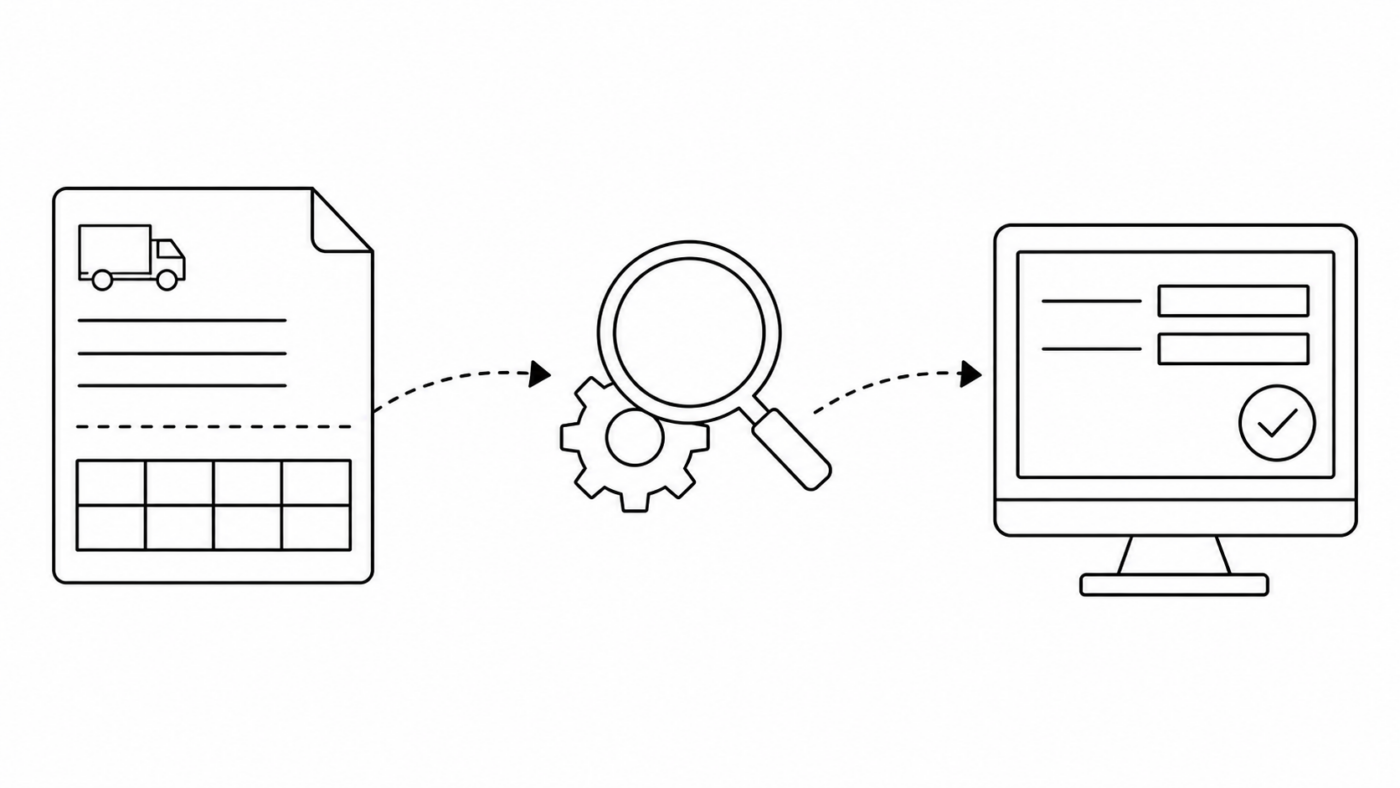
How Does Autofill Work? Inside the AI That Reads Your Freight Documents
Read Article: How Does Autofill Work? Inside the AI That Reads Your Freight DocumentsMost freight teams know autofill saves time. Far fewer understand what it is actually doing inside the document and why that distinction matters when you are trusting it with your load data. Autofill is not a shortcut. It is not a macro that copies and pastes faster than a human. It is a layered AI…
-
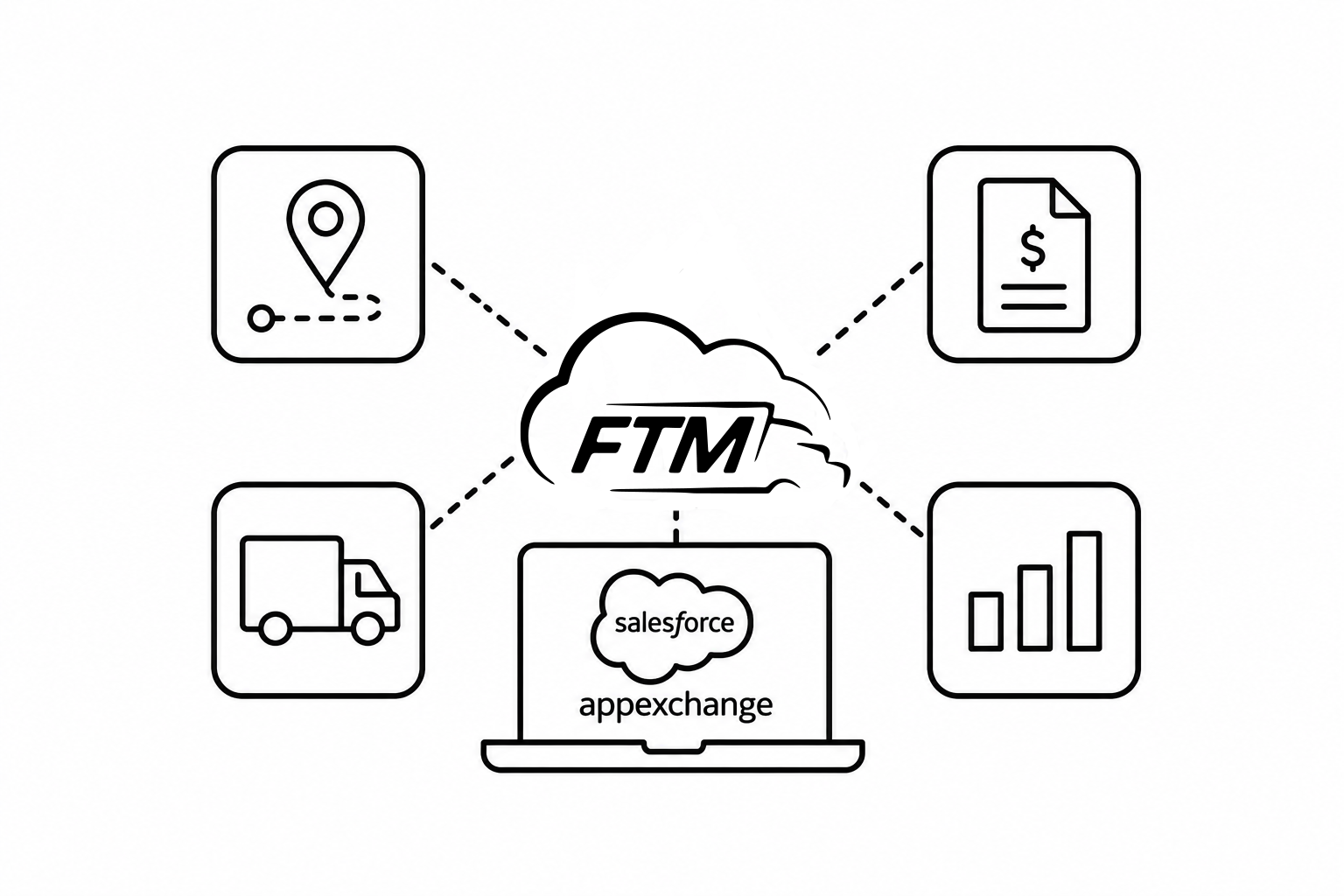
Best Salesforce Logistics Apps That Pair Well with FTM
Read Article: Best Salesforce Logistics Apps That Pair Well with FTMMany logistics companies invest significant time and resources into Salesforce because it provides a reliable foundation for managing customers, opportunities, service requests, and business relationships. However, selecting the right Salesforce logistics apps is often what determines whether teams can connect customer-facing activities with day-to-day transportation operations. As freight volumes grow and customer expectations increase, operations…
-

What Is Autofill? The AI Tool Rewriting How Freight Loads Get Created
Read Article: What Is Autofill? The AI Tool Rewriting How Freight Loads Get CreatedYour dispatcher just opened a rate confirmation. By the time they’ve finished manually entering the shipper address, a competitor’s TMS has already created the entire load record, automatically. That is not a hypothetical. It is what happens every day in freight operations that have adopted AI-powered data extraction, while others are still copying fields by…
-
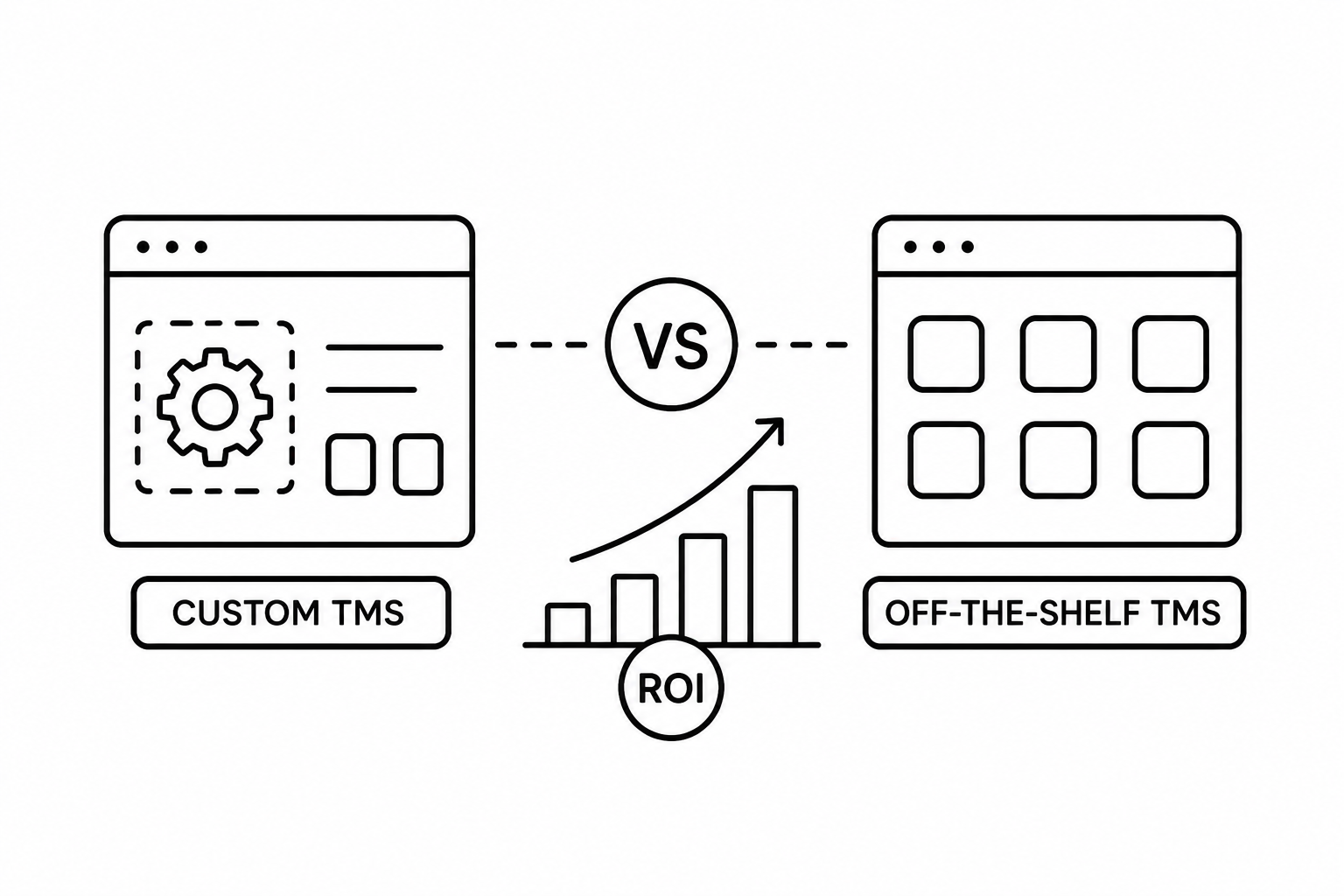
Custom TMS vs Off-the-Shelf TMS: Which Delivers Better ROI?
Read Article: Custom TMS vs Off-the-Shelf TMS: Which Delivers Better ROI?A transportation company that spends $300,000 building a custom TMS and another that purchases an existing platform are often trying to solve the same problem: gaining more control over operations. Yet the outcomes can be dramatically different. One may end up with software that perfectly mirrors its processes, while the other gets to market faster,…
-
How Logistics Companies Lose Money Without Automation
Read Article: How Logistics Companies Lose Money Without AutomationHow Logistics Companies Lose Money Without Automation Most logistics companies do not lose money because of one major operational failure. Instead, profit slowly disappears through delays, manual processes, poor visibility, and disconnected communication. Over time, those small inefficiencies create larger operational problems that become difficult to control. A dispatcher spends extra time tracking down shipment…
-

AI vs. Manual Dispatch: The Future of Logistics Is Already Being Decided
Read Article: AI vs. Manual Dispatch: The Future of Logistics Is Already Being DecidedEvery minute a freight operation spends on a task that software could handle in seconds is a minute its competitors are using to win the next load. That is not a distant threat. It is happening right now, across every lane, every load board, and every dispatch queue in the country. Dispatchers are still picking…
-

Is Your Logistics Software Slowing You Down?
Read Article: Is Your Logistics Software Slowing You Down?In logistics, small delays rarely stay small. A missed update turns into a detention fee. A disconnected system causes a dispatch error. A driver waits for instructions because data lives in five different places. Over time, operational friction compounds into lost revenue, slower service, and frustrated teams. Many logistics teams accept operational friction as normal.…
-

How Integration Saves Logistics Companies Thousands of Hours
Read Article: How Integration Saves Logistics Companies Thousands of HoursA logistics company can lose hundreds of hours every month without realizing it. Not because the team is lazy. Not because demand is weak. Because disconnected systems quietly drain time from every workflow. Dispatch copies load details from one platform to another. Accounting waits for missing paperwork. Operations teams chase updates through emails and phone…
-
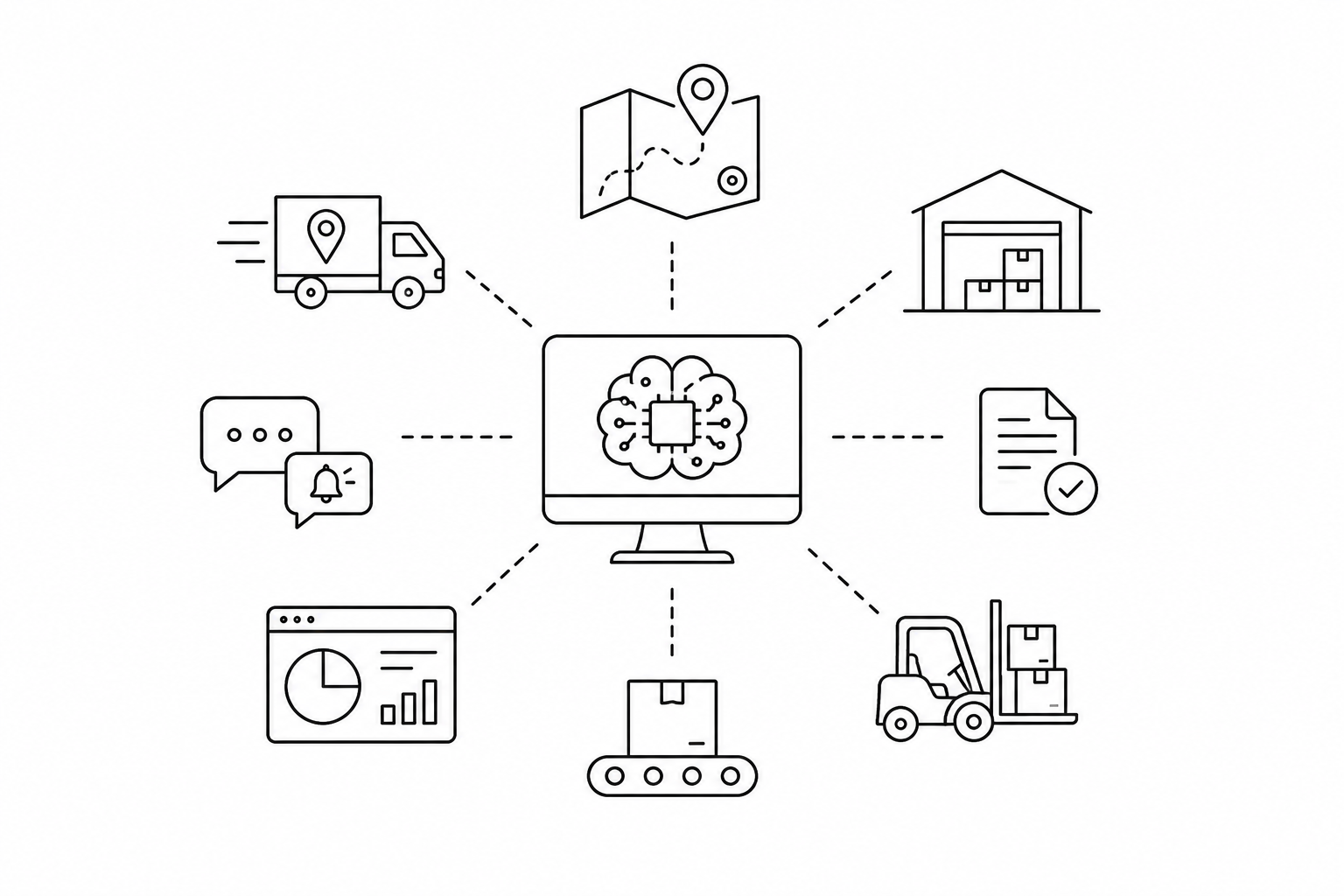
7 Ways AI Can Automate Your Logistics Operations
Read Article: 7 Ways AI Can Automate Your Logistics OperationsMost conversations about AI in logistics automation sound exactly the same. Vague promises about efficiency. Slides showing robots in warehouses. A statistic about how much money someone else saved somewhere, somehow. What you rarely get is specifics. So let’s skip the hype and talk about what AI logistics automation is actually doing inside real freight…
-
The Real Reason Logistics Companies Struggle to Scale
Read Article: The Real Reason Logistics Companies Struggle to ScaleGrowth sounds exciting in logistics until it actually happens. More customers. More freight. More lanes. More drivers. More invoices. More exceptions. At first, the business feels successful. Revenue climbs. Volume increases. The phones never stop ringing. Then something strange happens. Despite growth, operations become slower, more reactive, and harder to control. This is the real…
Continue exploring
Connect the insight to the workflow
When an article answers the first question, these focused pathways can help you explore the operational context behind it.
AutoFill
Explore the FTM workflow for document-driven freight operations.
Explore AutoFill → Customer visibilityCustomer Portal
See how customers can follow the transportation information shared with them.
Explore the portal → Connected systemsFTM Integrations
Browse the integration paths that support connected freight workflows.
View integrations → Operational guidanceFreight Resources
Continue with FTM guides, documents, glossary entries, and setup resources.
Browse resources →Looking for a better way to run transportation operations?
Explore how FTM connects quoting, dispatch, drivers, customers, documents, billing, and reporting inside Salesforce.
