FTM Blog
Freight Operations Insights
The FTM freight transportation management blog shares practical guidance on dispatch, carrier operations, billing, margin, freight technology, AI, and automation. Whether you manage broker, carrier, or shipper operations, use this hub to find clearer answers and the next useful resource.
Featured
Start with one timely freight insight
Begin with a timely perspective on the operational decisions shaping freight teams today. Then, continue into the latest articles or choose a specific business problem.
-
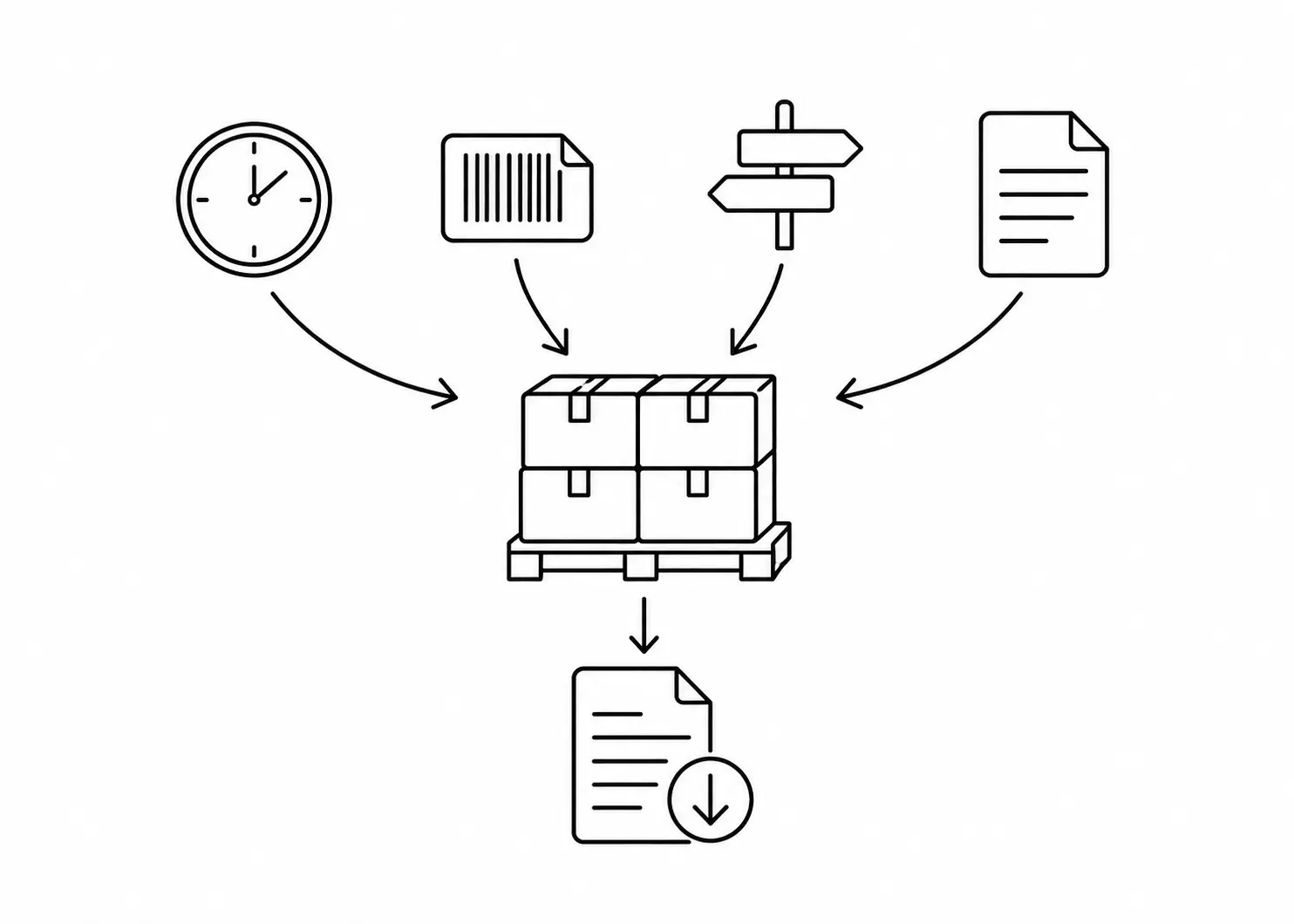
The Hidden Costs of Shipper Non-Compliance and How to Avoid Penalties
Read Article: The Hidden Costs of Shipper Non-Compliance and How to Avoid PenaltiesA pallet leaves the warehouse two hours later than planned. The order is complete, the product is correct, and nothing is physically wrong with the shipment. It still arrives outside the retailer’s must-arrive-by window. Three weeks later, a deduction appears on the remittance advice, and nobody in the finance department can immediately say which shipment…
Recently published
Latest insights
See the newest practical thinking from FTM, from day-to-day freight work to long-term transportation strategy.
-
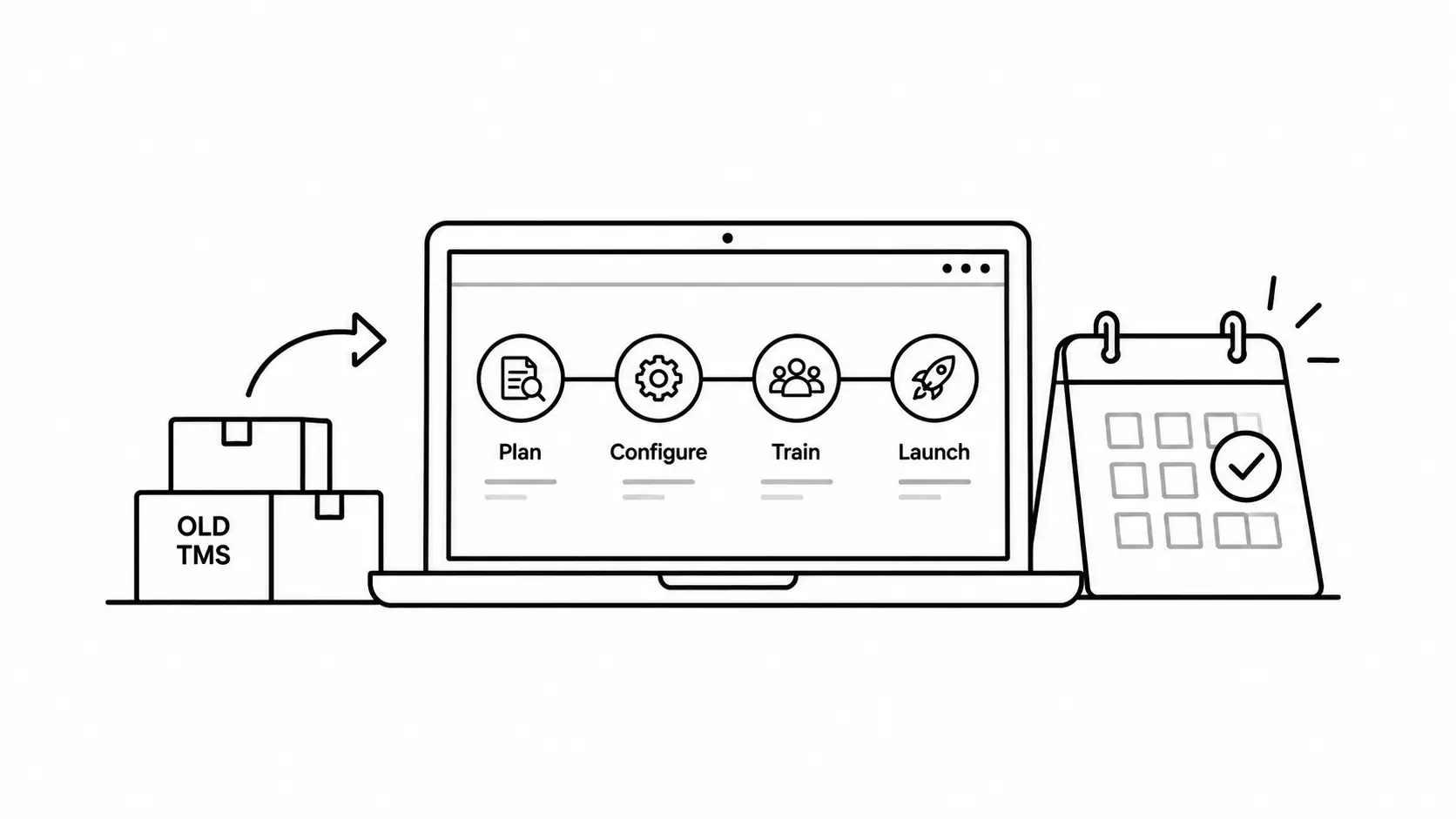
TMS Implementation Timeline: How Long Does Switching Really Take
Read Article: TMS Implementation Timeline: How Long Does Switching Really TakeA TMS implementation timeline can run anywhere from a few weeks to well over a year. That range sounds unhelpfully broad until you separate the software installation from everything surrounding it. Modern cloud software can provision an environment quickly. However, transportation teams still need to migrate customer and carrier data, configure workflows, connect accounting or…
-
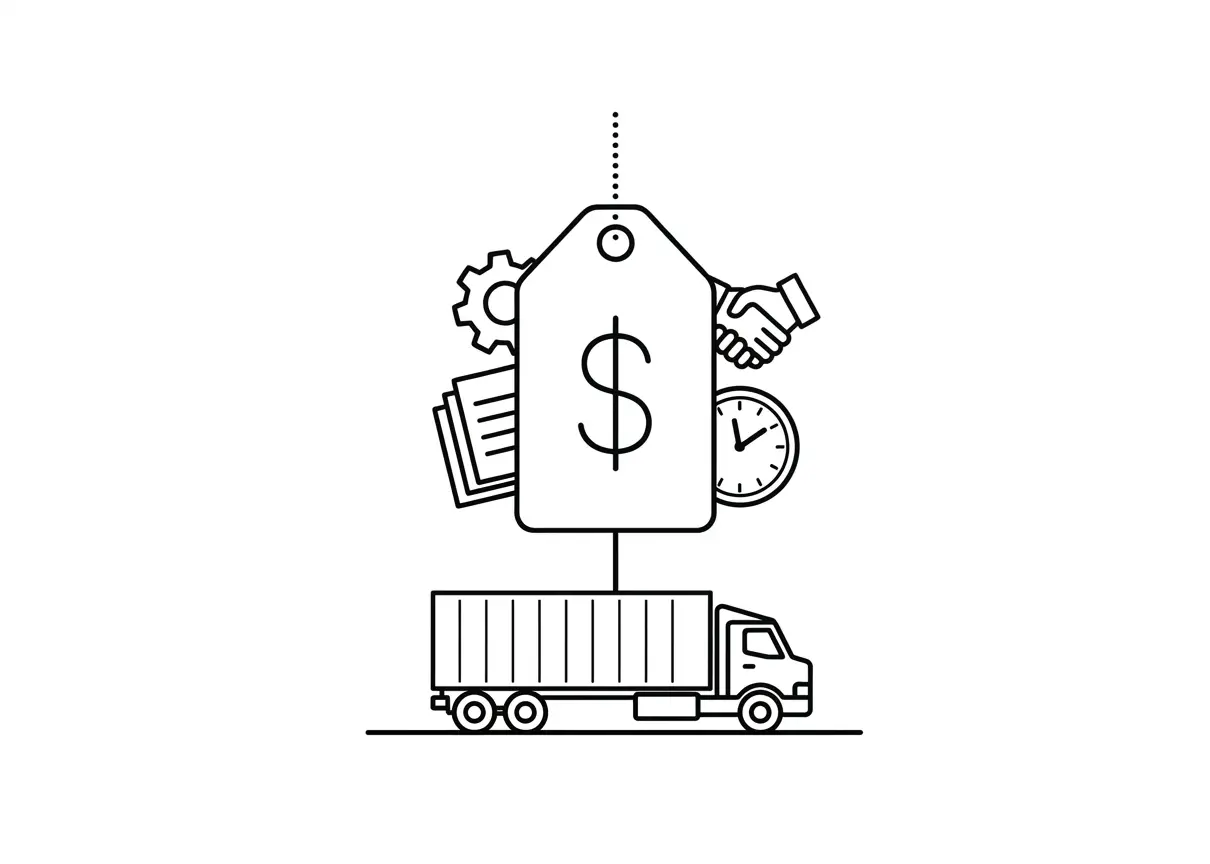
Freight Broker Software Pricing: What You Should Actually Pay in 2026
Read Article: Freight Broker Software Pricing: What You Should Actually Pay in 2026A brokerage owner requests three demos in the same week. One vendor quotes $199 per user per month. Another says pricing starts at $514 flat, no contract. A third will not give a number at all until someone gets on a call. None of these numbers are directly comparable, and nobody on the buying side…
-
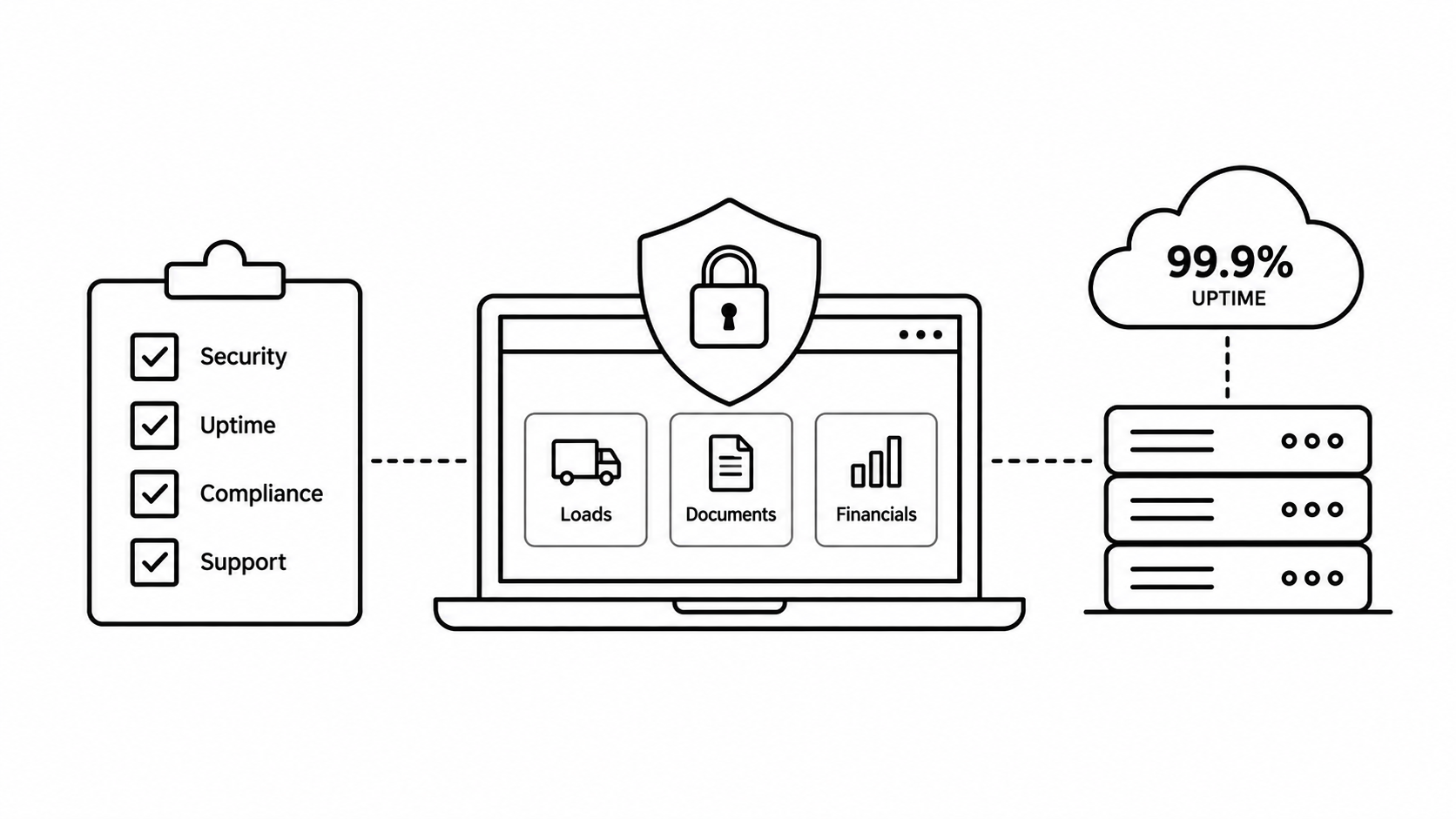
TMS Security and Uptime: How to Vet a Vendor Before You Sign
Read Article: TMS Security and Uptime: How to Vet a Vendor Before You SignTMS security usually becomes a procurement priority after someone asks a simple question: what happens if the system holding our loads, customer records, carrier information, documents, rates, and invoices becomes unavailable or compromised? By that point, the TMS may already be deeply embedded in operations. Dispatch depends on it. Customer service needs shipment status. Drivers…
Explore by business problem
What are you trying to improve?
Choose an operational priority first. Then, use the related FTM pathways to connect what you learn with the workflow it affects.
Protect Margin
Explore quoting, accessorials, freight pricing, billing, and margin visibility. As a result, it becomes easier to see where revenue can be protected before and after a load moves.
Improve Dispatch
Find guidance on dispatch, driver communication, POD, visibility, and exceptions. Meanwhile, explore how those handoffs fit into the wider transportation workflow.
Build Better Carrier Capacity
Read about carrier sourcing, diversification, onboarding, and load coverage. In addition, follow the related workflows for managing carriers and private capacity.
Automate Freight Documents
Explore BOL, POD, rate confirmations, invoicing, and document automation. For example, see how teams can reduce manual document handling while keeping the operating workflow connected.
Evaluate a TMS
Compare approaches to TMS selection, implementation, migration, pricing, and Salesforce-native architecture. Finally, use the product, comparison, and setup resources to go deeper.
Article library
All freight operations insights
Browse more guidance across freight operations, technology, carrier management, dispatch, billing, margin, AI, and automation.
-

What Happens When Logistics Companies Don’t Use a TMS
Read Article: What Happens When Logistics Companies Don’t Use a TMSMost logistics companies don’t realize they have a system problem until the cracks become impossible to ignore. At first, everything feels manageable. A few spreadsheets, some emails, a dispatcher who “knows everything.” It works… until it doesn’t. This is exactly where the hidden cost of not using a TMS starts to build. Without a centralized…
-

Why Most Logistics Companies Fail Without a TMS
Read Article: Why Most Logistics Companies Fail Without a TMSNobody announces when things start breaking down. There’s no moment where someone walks into the office and says, “Our processes have officially failed.” It doesn’t work that way. What actually happens is quieter and slower. A customer starts asking more questions. A carrier relationship frays. A billing dispute drags into its third week. Margins shrink…
-

How to Choose the Right TMS for Your Logistics Company
Read Article: How to Choose the Right TMS for Your Logistics CompanyMost logistics companies do not fail because their teams are not working hard enough. They fail because their systems quietly work against them. A dispatcher updates one spreadsheet. Finance checks another file. Customer service waits for an ETA. Leadership asks why margin looks different from last week. Everyone is doing their job, but the operation…
-

Questions to Ask Before Choosing a TMS in 2026
Read Article: Questions to Ask Before Choosing a TMS in 2026Choosing a Transportation Management System sounds simple until you realize most companies regret their first choice. A polished demo, a confident sales pitch, and a long feature list can make any platform look like the perfect fit. However, once implementation begins, reality shows up. Workflows don’t align. Data gets messy. Teams resist adoption. Costs quietly…
-

Why Generic TMS Systems Fail Growing Logistics Companies
Read Article: Why Generic TMS Systems Fail Growing Logistics CompaniesThere’s a moment most growing logistics companies know well. You’re moving more loads than ever, your team is expanding, and the system you’ve been using starts to crack under the pressure. Emails get missed. Reporting takes forever. Someone’s pulling data from three different places just to answer a basic question from a customer. So you…
-

10 Signs Your Company Has Outgrown Manual Dispatch
Read Article: 10 Signs Your Company Has Outgrown Manual DispatchWhat Are the Signs of Manual Dispatch Limitations? It usually doesn’t feel like a breaking point.It feels like a normal day that took too long. Dispatch is still getting done. Loads are still moving. However, something is off. Too many calls. Too many spreadsheets. Too many “we’ll fix it later” moments. That’s where manual dispatch…
-

How TMS Manages Big Data in Logistics
Read Article: How TMS Manages Big Data in LogisticsIn logistics, “big data” rarely feels like a strategy. It feels like Tuesday. A load moves, and a trail of information follows it. Pickup timestamps, appointment updates, GPS pings, EDI messages, emails from a carrier rep, a detention note from a warehouse, a revised ETA, a revised again ETA, a POD, an accessorial, an invoice.…
-
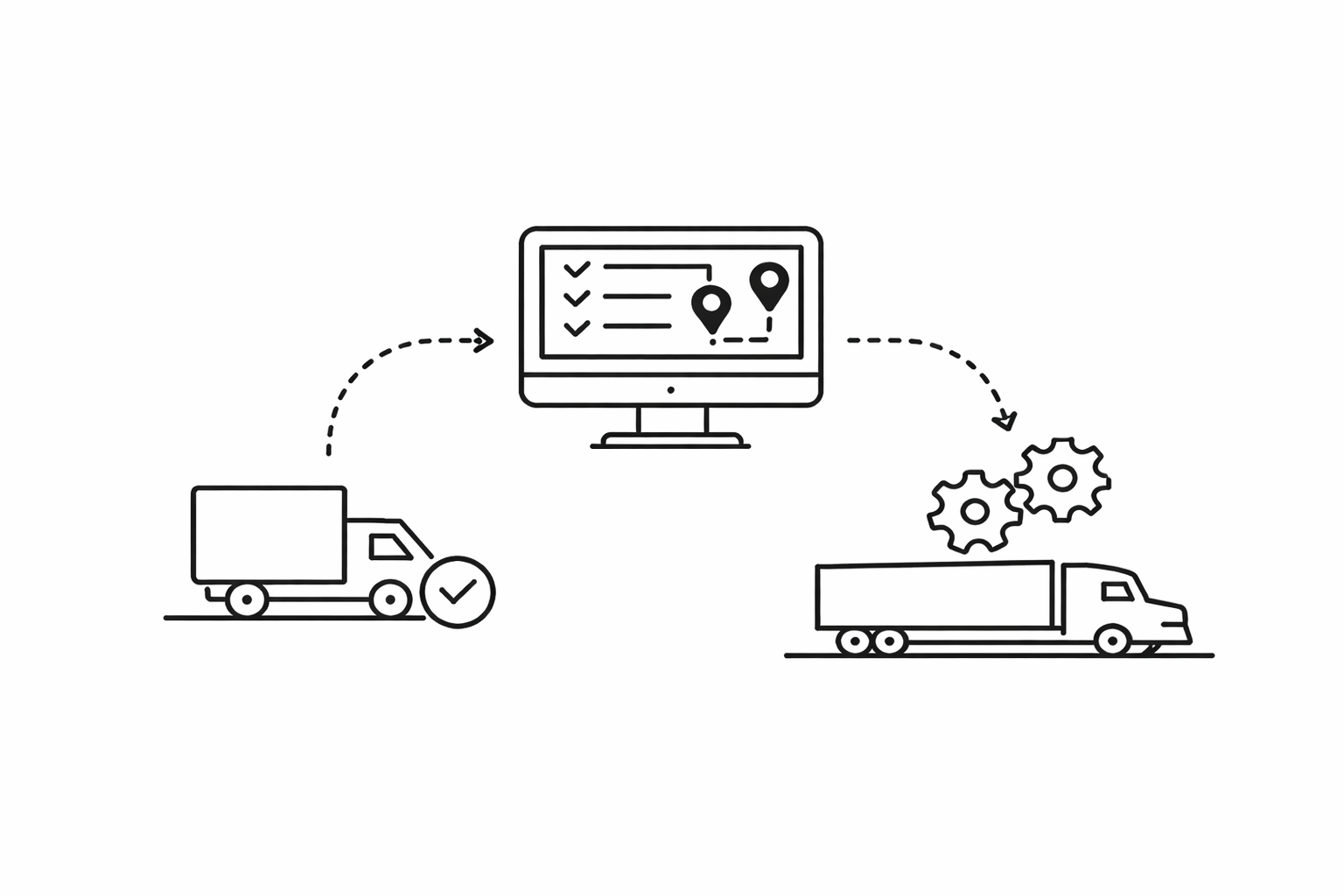
How TMS Technology Simplifies Daily Fleet Operations
Read Article: How TMS Technology Simplifies Daily Fleet OperationsIn fleet management, chaos often arrives silently. A minor documentation delay here. A missed driver check-in there. Before you know it, dispatchers are scrambling, drivers are frustrated, and invoicing trails execution by days. These “tiny frictions” rarely make headlines, but they silently erode margins. This is where TMS technology simplifies daily fleet operations, by turning…
-

TMS, Route Planner, Optimizer or GPS System? What’s the Difference?
Read Article: TMS, Route Planner, Optimizer or GPS System? What’s the Difference?If you work in dispatch, transportation ops, or supply chain, you have seen this play out. A team buys a GPS tool so they can see the trucks.Then they add a route planner to fix miles.Then leadership asks why service issues and billing disputes still happen.Someone eventually asks if a TMS is missing or if…
-
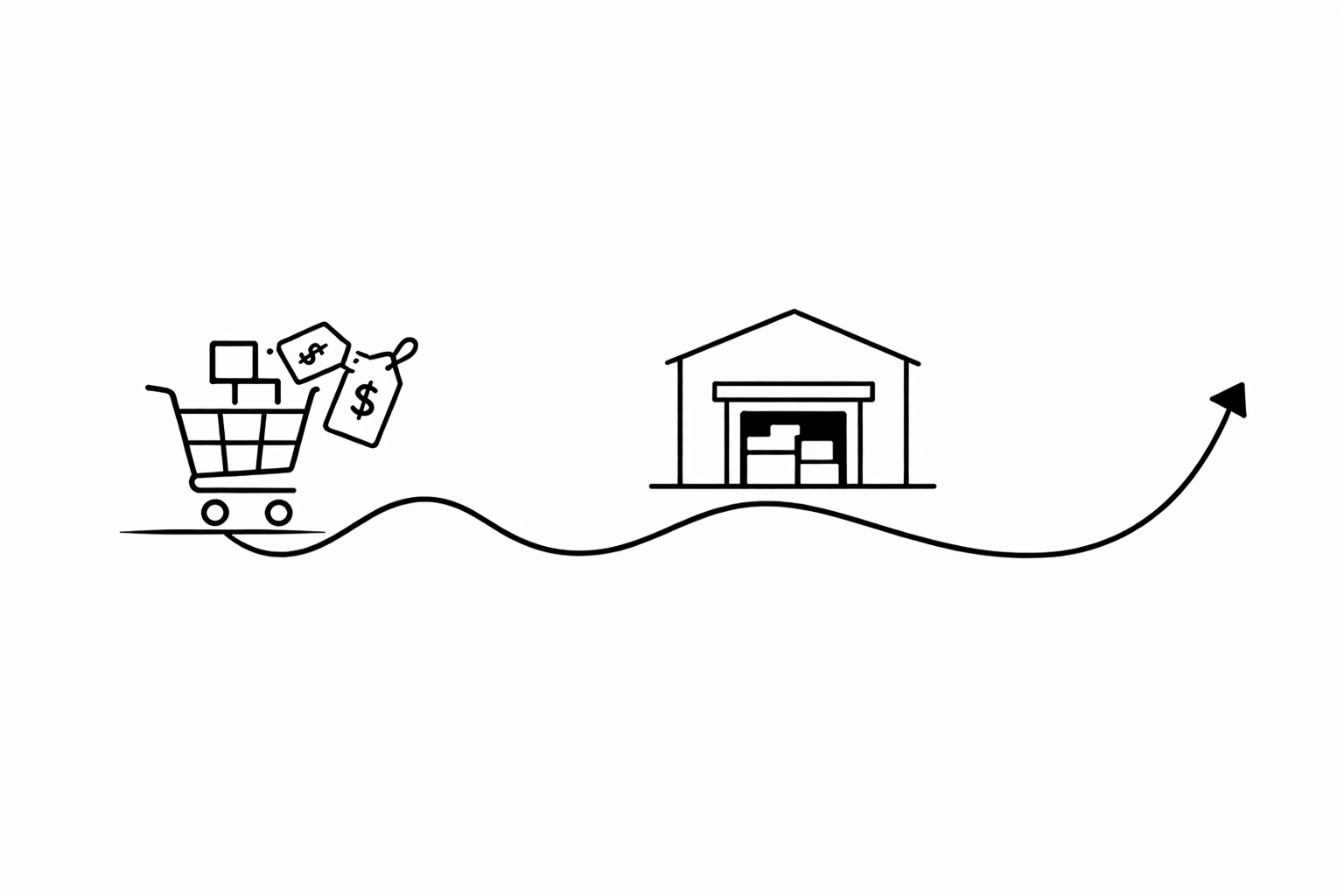
Controlling the Bullwhip Effect in Your Supply Chain with TMS
Read Article: Controlling the Bullwhip Effect in Your Supply Chain with TMSA small spike in customer demand should not cause chaos upstream.Yet in many supply chains, it does. A 5% increase in orders at the retail level turns into a 20% surge in distributor purchasing, which then becomes a 40% production adjustment at the manufacturer. Inventory piles up. Capacity tightens. Costs inflate. Service levels drop. This…
-

From Routing to ROI: How TMS Delivered $50,000 in Cost Savings
Read Article: From Routing to ROI: How TMS Delivered $50,000 in Cost SavingsMost logistics teams believe their routing is already optimized. Routes look efficient. Carriers are negotiated. Margins feel acceptable. Then the numbers tell a different story. This is the story of how one mid-sized shipper uncovered$50,000 in annual TMS cost savings by tightening planning discipline, eliminating hidden waste, and connecting execution to finance. The improvements were…
-

Transportation Management Systems for Enterprise Fleet Management
Read Article: Transportation Management Systems for Enterprise Fleet ManagementEnterprise fleets do not fail because of a lack of trucks, drivers, or contracts. They fail because complexity outpaces control. As fleets grow across regions, business units, customers, and asset types, visibility fragments. Costs drift quietly. Service quality becomes uneven. Decisions rely on partial data and delayed reports. This is where an enterprise fleet TMS…
Continue exploring
Connect the insight to the workflow
When an article answers the first question, these focused pathways can help you explore the operational context behind it.
AutoFill
Explore the FTM workflow for document-driven freight operations.
Explore AutoFill → Customer visibilityCustomer Portal
See how customers can follow the transportation information shared with them.
Explore the portal → Connected systemsFTM Integrations
Browse the integration paths that support connected freight workflows.
View integrations → Operational guidanceFreight Resources
Continue with FTM guides, documents, glossary entries, and setup resources.
Browse resources →Looking for a better way to run transportation operations?
Explore how FTM connects quoting, dispatch, drivers, customers, documents, billing, and reporting inside Salesforce.
