FTM Blog
Freight Operations Insights
The FTM freight transportation management blog shares practical guidance on dispatch, carrier operations, billing, margin, freight technology, AI, and automation. Whether you manage broker, carrier, or shipper operations, use this hub to find clearer answers and the next useful resource.
Featured
Start with one timely freight insight
Begin with a timely perspective on the operational decisions shaping freight teams today. Then, continue into the latest articles or choose a specific business problem.
-
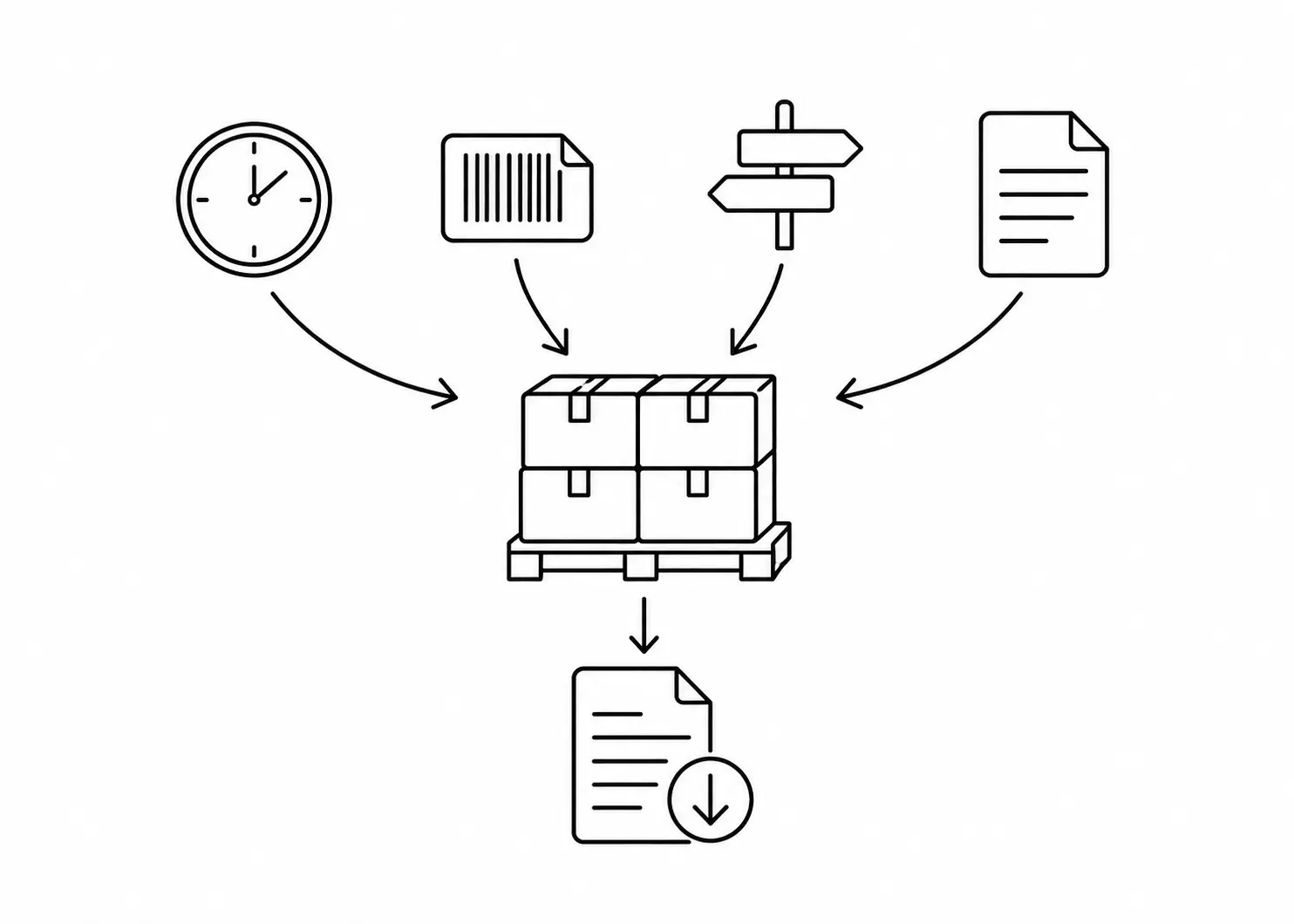
The Hidden Costs of Shipper Non-Compliance and How to Avoid Penalties
Read Article: The Hidden Costs of Shipper Non-Compliance and How to Avoid PenaltiesA pallet leaves the warehouse two hours later than planned. The order is complete, the product is correct, and nothing is physically wrong with the shipment. It still arrives outside the retailer’s must-arrive-by window. Three weeks later, a deduction appears on the remittance advice, and nobody in the finance department can immediately say which shipment…
Recently published
Latest insights
See the newest practical thinking from FTM, from day-to-day freight work to long-term transportation strategy.
-
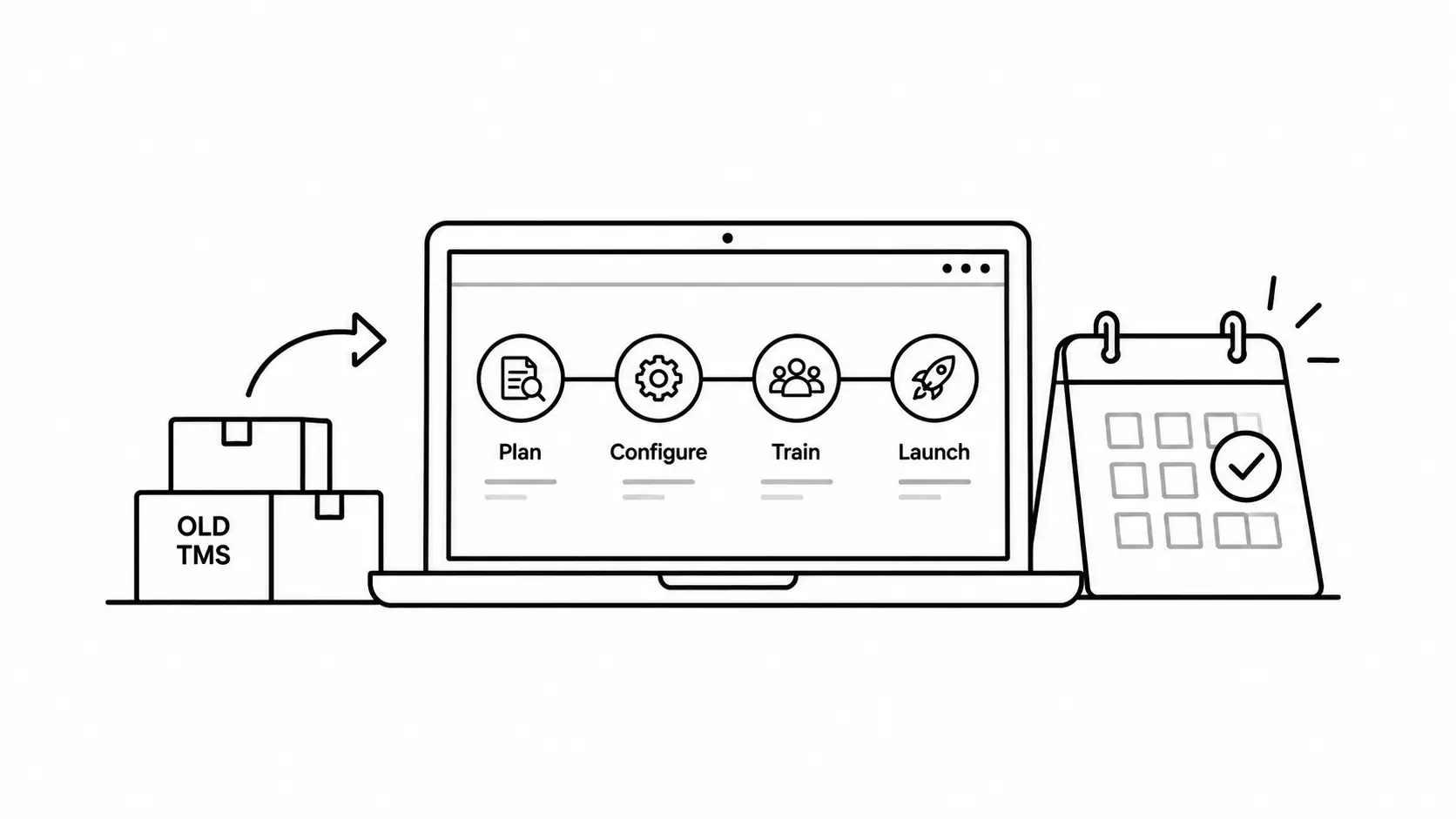
TMS Implementation Timeline: How Long Does Switching Really Take
Read Article: TMS Implementation Timeline: How Long Does Switching Really TakeA TMS implementation timeline can run anywhere from a few weeks to well over a year. That range sounds unhelpfully broad until you separate the software installation from everything surrounding it. Modern cloud software can provision an environment quickly. However, transportation teams still need to migrate customer and carrier data, configure workflows, connect accounting or…
-
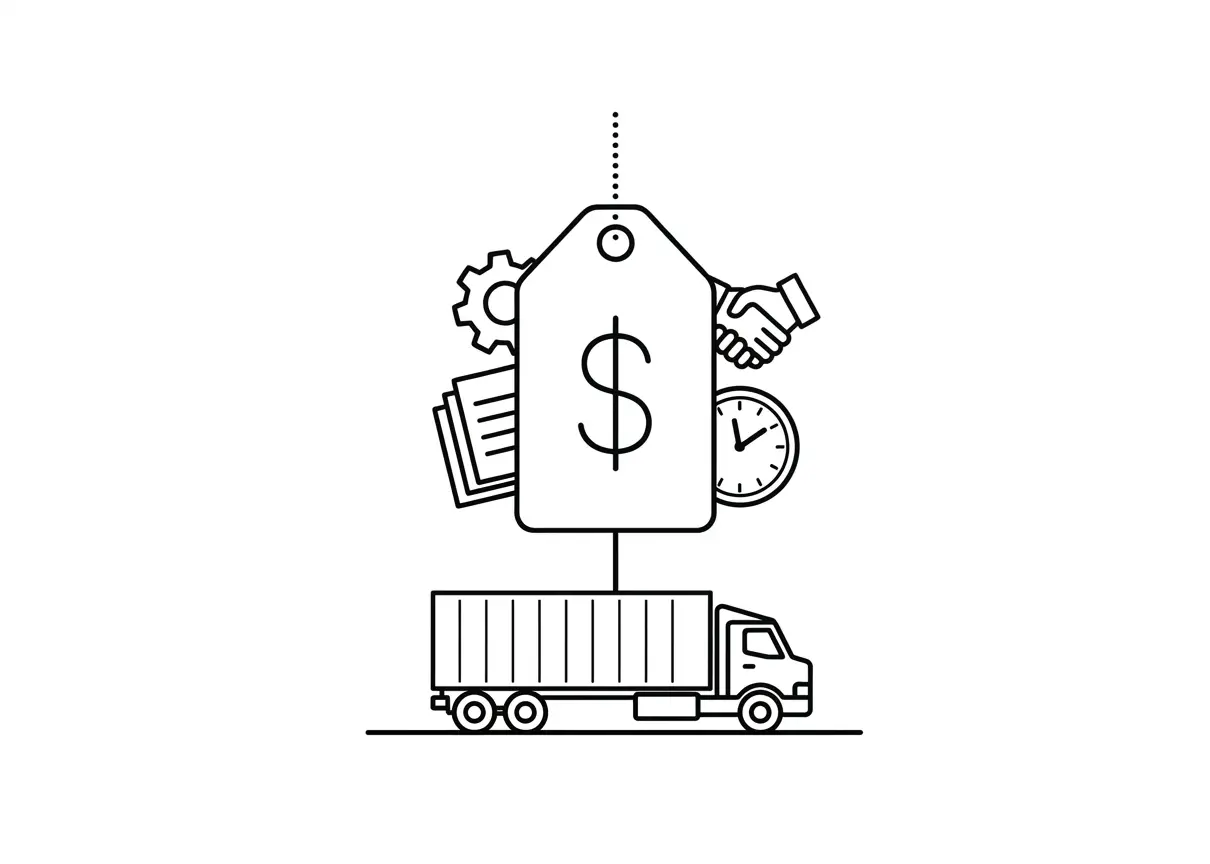
Freight Broker Software Pricing: What You Should Actually Pay in 2026
Read Article: Freight Broker Software Pricing: What You Should Actually Pay in 2026A brokerage owner requests three demos in the same week. One vendor quotes $199 per user per month. Another says pricing starts at $514 flat, no contract. A third will not give a number at all until someone gets on a call. None of these numbers are directly comparable, and nobody on the buying side…
-
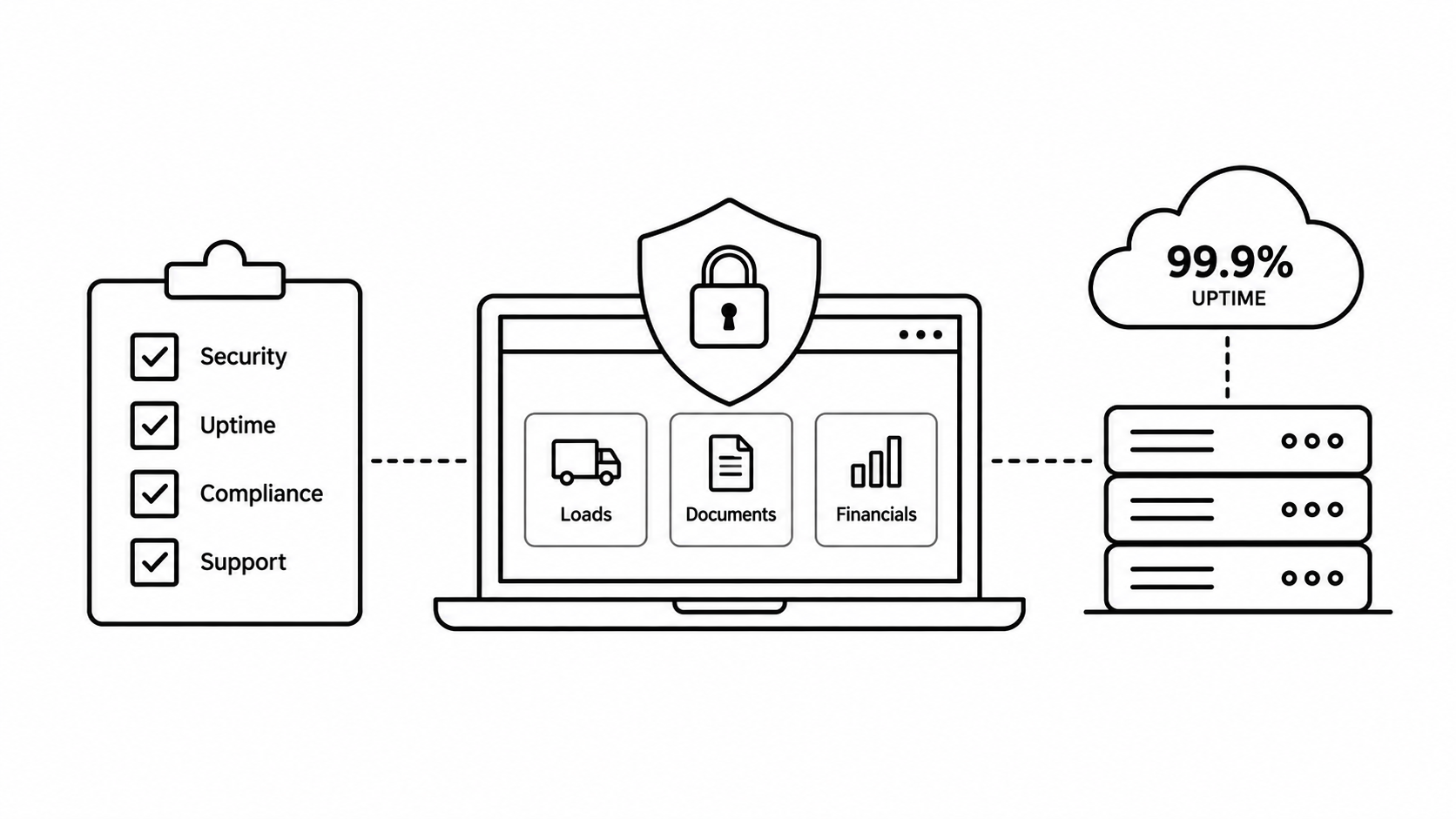
TMS Security and Uptime: How to Vet a Vendor Before You Sign
Read Article: TMS Security and Uptime: How to Vet a Vendor Before You SignTMS security usually becomes a procurement priority after someone asks a simple question: what happens if the system holding our loads, customer records, carrier information, documents, rates, and invoices becomes unavailable or compromised? By that point, the TMS may already be deeply embedded in operations. Dispatch depends on it. Customer service needs shipment status. Drivers…
Explore by business problem
What are you trying to improve?
Choose an operational priority first. Then, use the related FTM pathways to connect what you learn with the workflow it affects.
Protect Margin
Explore quoting, accessorials, freight pricing, billing, and margin visibility. As a result, it becomes easier to see where revenue can be protected before and after a load moves.
Improve Dispatch
Find guidance on dispatch, driver communication, POD, visibility, and exceptions. Meanwhile, explore how those handoffs fit into the wider transportation workflow.
Build Better Carrier Capacity
Read about carrier sourcing, diversification, onboarding, and load coverage. In addition, follow the related workflows for managing carriers and private capacity.
Automate Freight Documents
Explore BOL, POD, rate confirmations, invoicing, and document automation. For example, see how teams can reduce manual document handling while keeping the operating workflow connected.
Evaluate a TMS
Compare approaches to TMS selection, implementation, migration, pricing, and Salesforce-native architecture. Finally, use the product, comparison, and setup resources to go deeper.
Article library
All freight operations insights
Browse more guidance across freight operations, technology, carrier management, dispatch, billing, margin, AI, and automation.
-
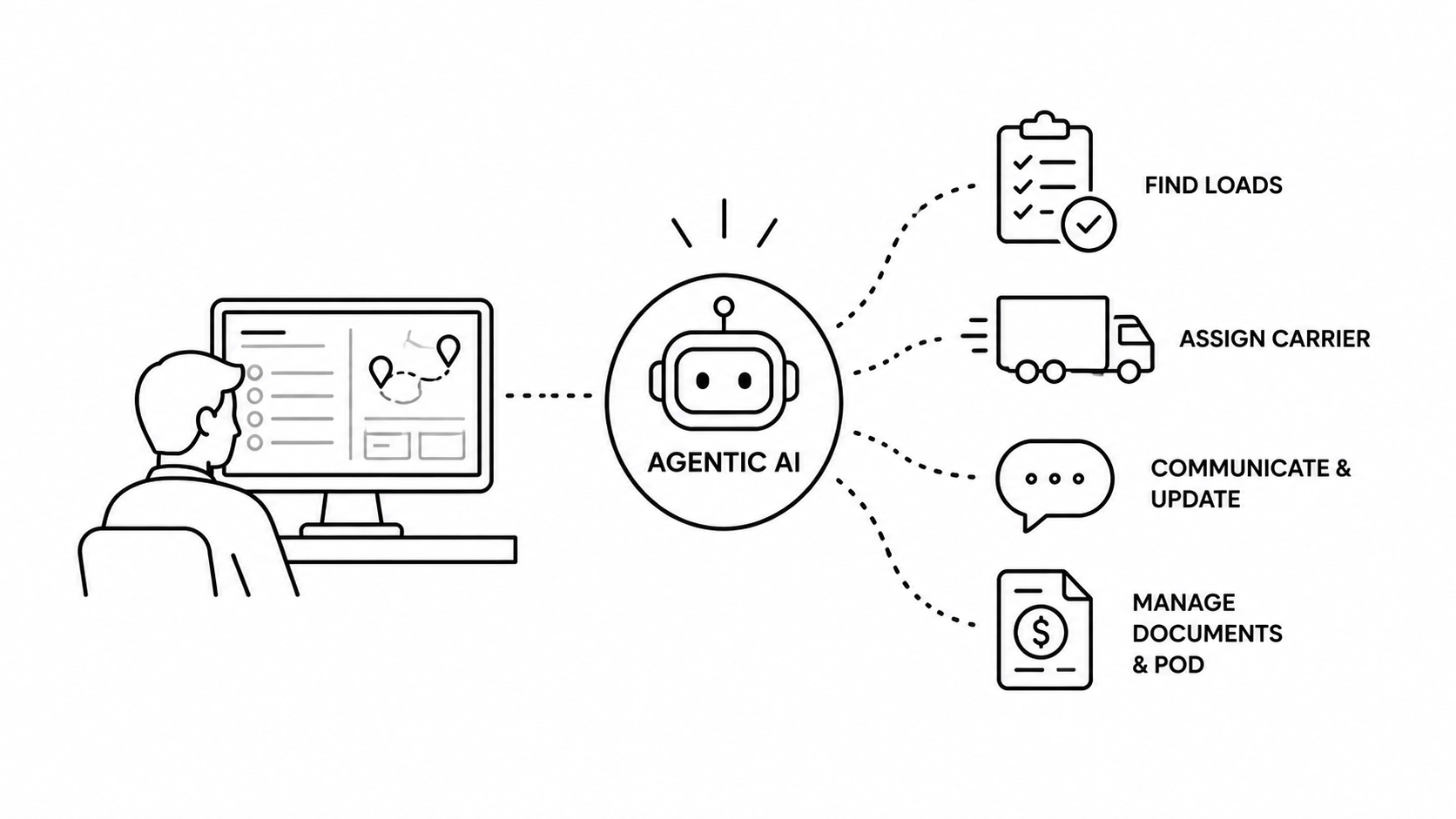
Agentic AI in Supply Chain: What Autonomous Agents Mean for Dispatchers
Read Article: Agentic AI in Supply Chain: What Autonomous Agents Mean for DispatchersAgentic AI in supply chain is moving from controlled demonstrations into live transportation workflows. The change matters because an agent does more than summarize a load or suggest the next step. Within defined limits, it can watch events, gather context, choose an action, use connected systems, and confirm whether the action worked. For dispatchers, that…
-
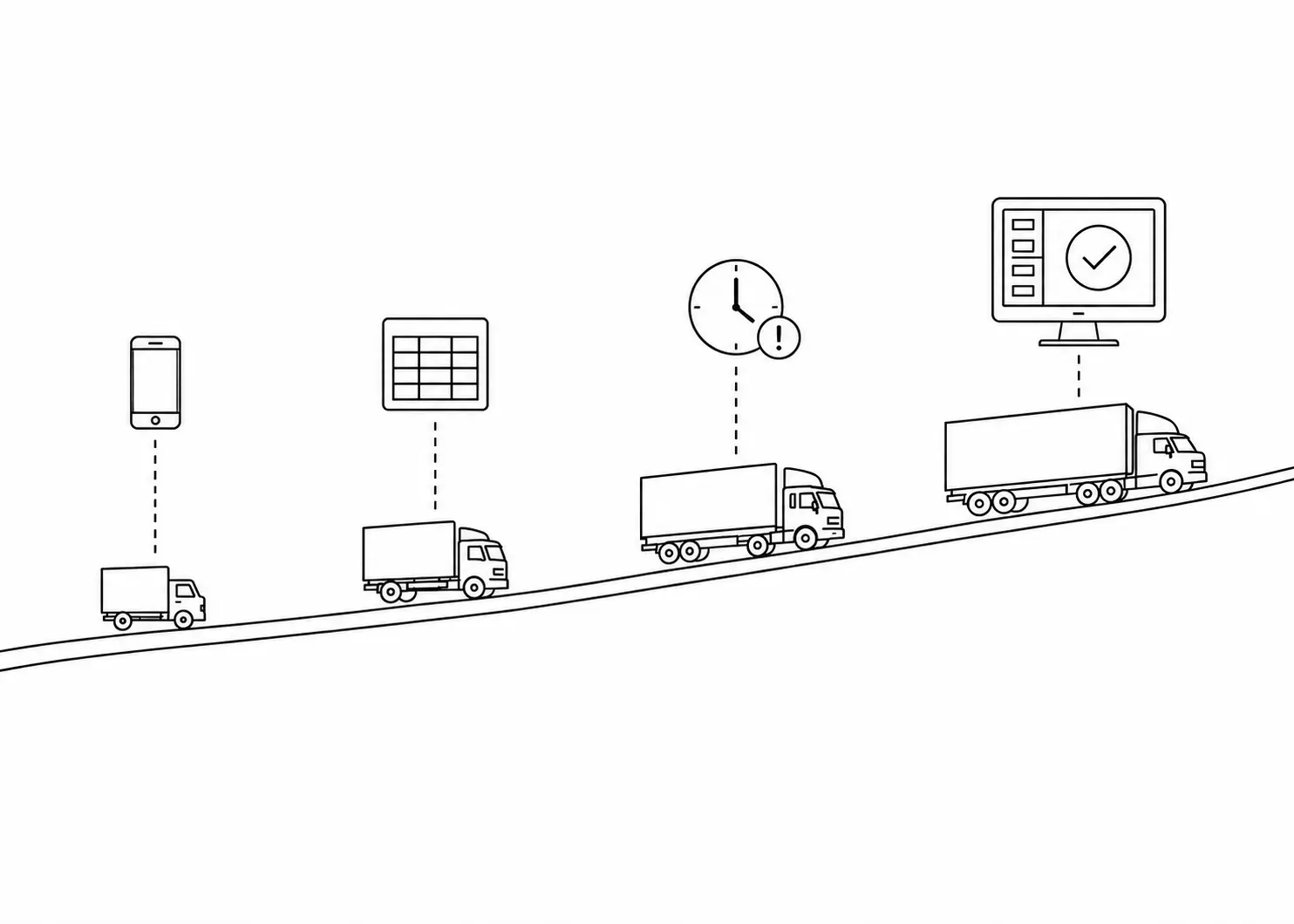
How to Grow from 5 to 50 Trucks Without Breaking Your Operations
Read Article: How to Grow from 5 to 50 Trucks Without Breaking Your OperationsMost carriers do not fail because they cannot find freight. They fail because they grew their fleet faster than they grew the systems behind it. Five trucks is a personal operation. The owner knows every driver by name, handles dispatch from their phone, and keeps the whole picture in their head. But at fifteen trucks,…
-
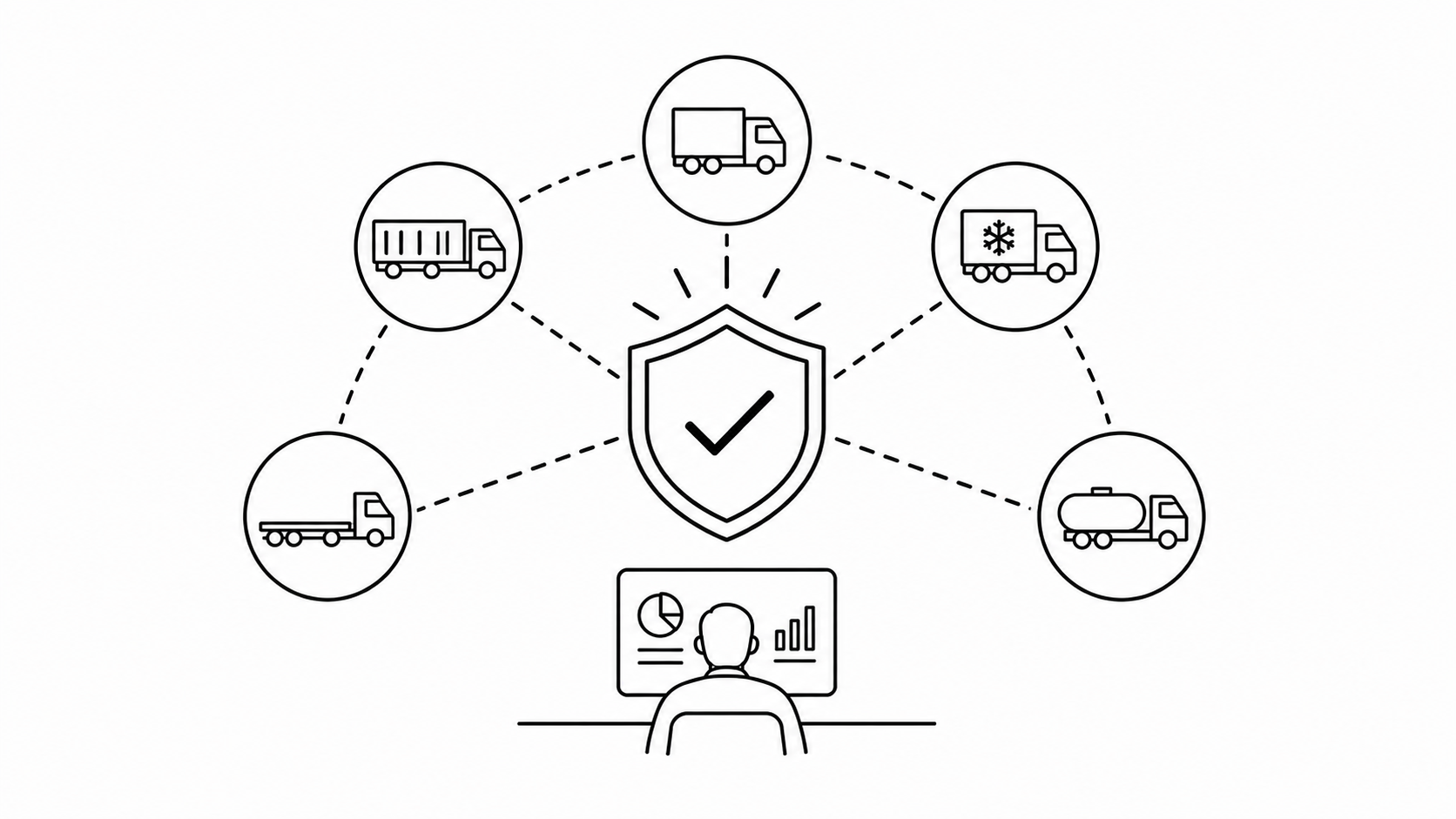
How to Build a Carrier Diversification Strategy That Protects You in a Crunch
Read Article: How to Build a Carrier Diversification Strategy That Protects You in a CrunchA carrier diversification strategy is not measured by how many carrier records sit in your TMS. It is measured by how much qualified capacity your team can activate when a core carrier rejects a tender, a regional market tightens, a facility becomes less attractive, or a customer adds unexpected volume. That distinction becomes critical during…
-

Shipper of Choice: What It Means and How to Achieve the Status
Read Article: Shipper of Choice: What It Means and How to Achieve the StatusTwo shippers. Same lane. Same freight weight. One gets a truck confirmed within the hour. The other is still on hold at 4pm, watching the pickup window close. The difference is not rate. It is reputation. Carriers know exactly which shippers make their drivers wait three hours at the dock, which ones tender loads the…
-

AI-Powered Dynamic Pricing for Freight Brokers: What’s Actually Possible Now
Read Article: AI-Powered Dynamic Pricing for Freight Brokers: What’s Actually Possible NowAI-powered dynamic pricing for freight brokers has moved beyond research projects and conference demos. Pricing models can now recommend buy rates, generate customer quote targets, apply margin controls, and respond to routine requests in seconds. That does not mean a model can identify the perfect price for every load. Freight pricing still depends on incomplete…
-
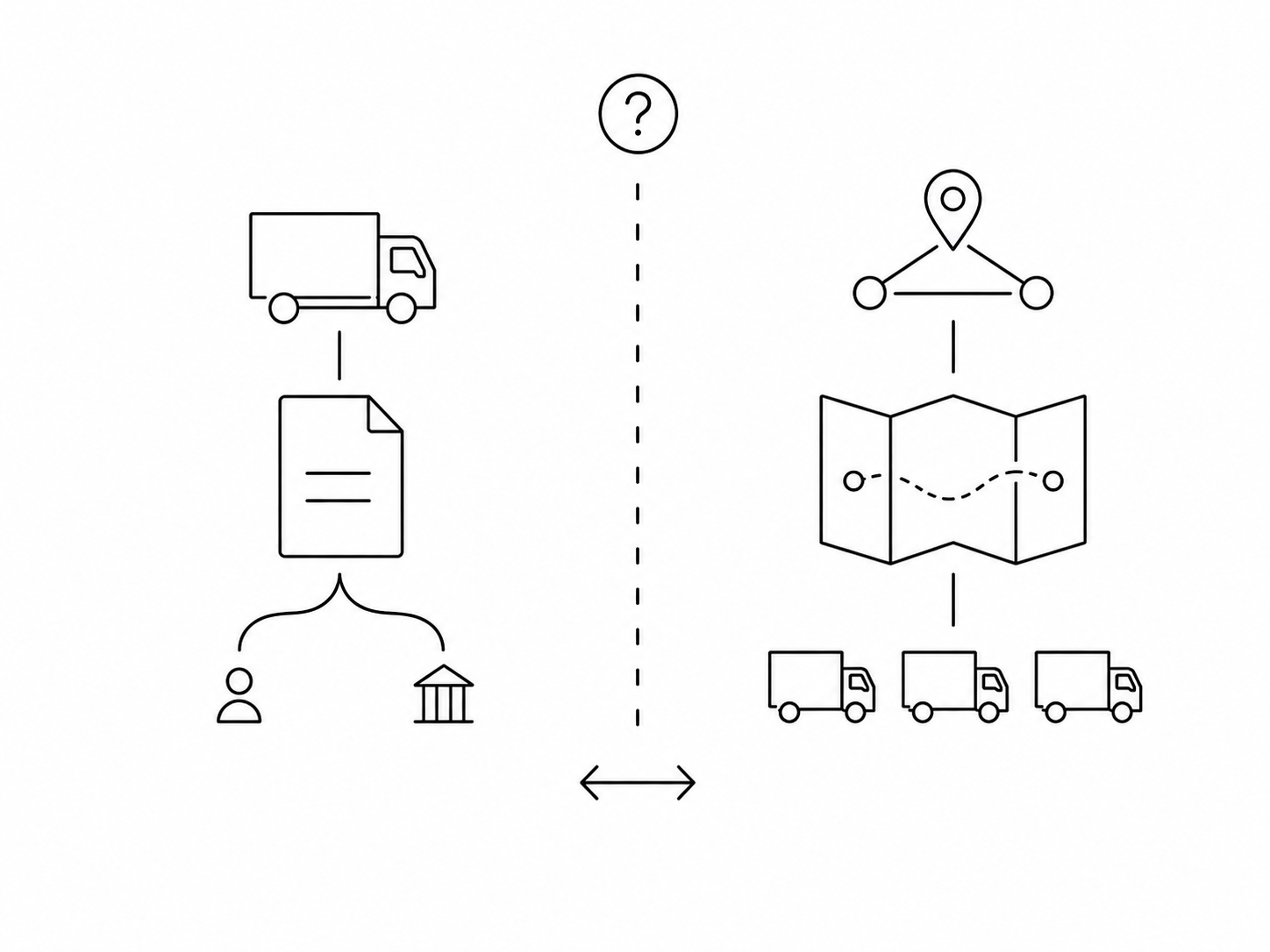
What Is a Freight Management System vs. a TMS? Clearing Up the Confusion
Read Article: What Is a Freight Management System vs. a TMS? Clearing Up the ConfusionAsk five freight operations people what software they use and at least two will say ‘our TMS’ when they mean something else entirely. FMS, TMS, freight platform, dispatch software, logistics system: these terms get used interchangeably in sales calls, job listings, and vendor decks, even when the products they describe work in completely different ways.…
-
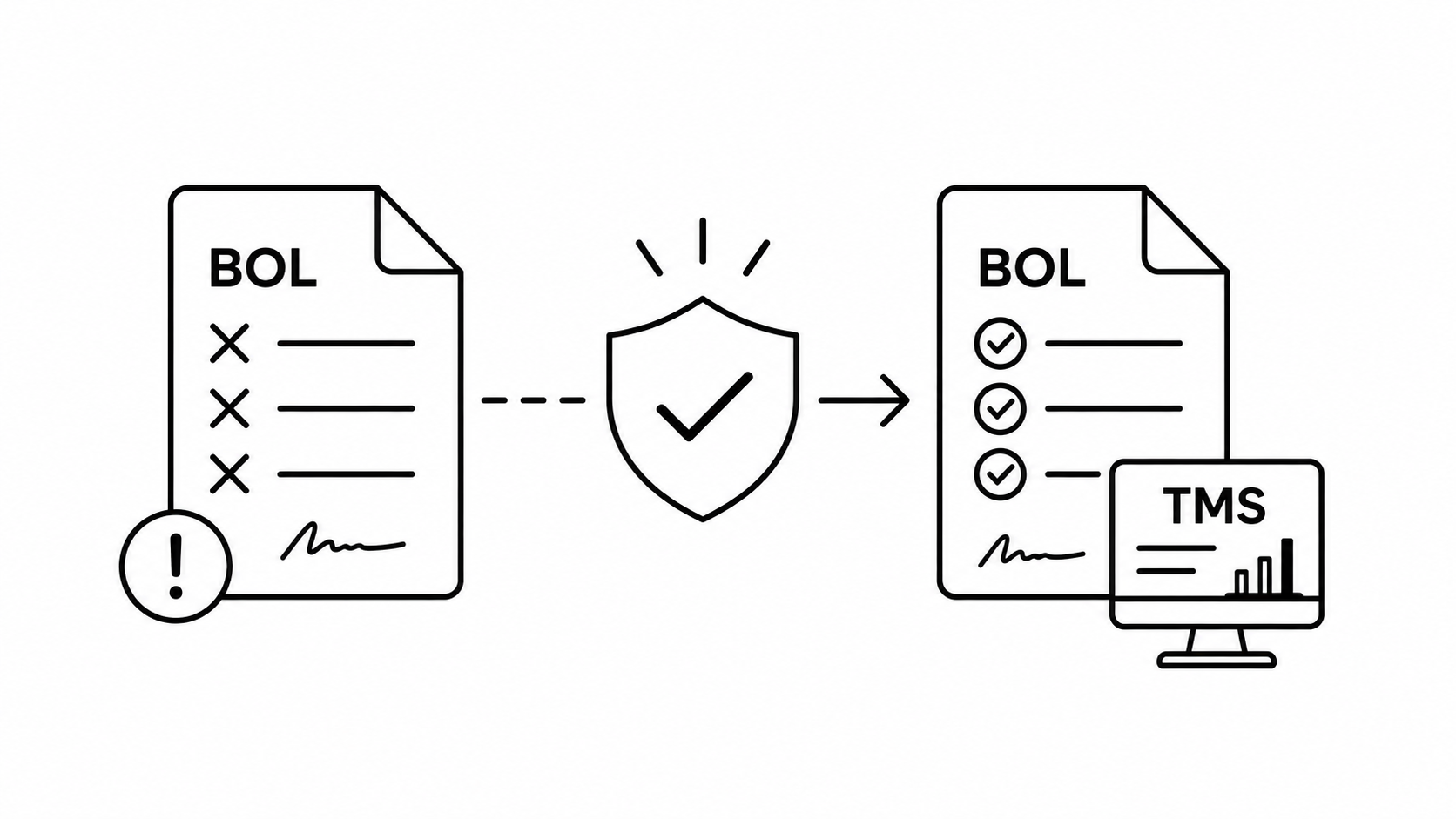
BOL Errors That Lead to Claims and How a TMS Prevents Them
Read Article: BOL Errors That Lead to Claims and How a TMS Prevents ThemBOL errors that lead to claims rarely look serious while the shipment is still moving. A consignee name is slightly different. A package count gets copied from the quote instead of the actual pickup. The driver receives updated instructions by text, but the document still shows the original delivery location. Nobody stops the load because…
-
Accessorial Charges Explained: What They Are & How to Stop Undercharging
Read Article: Accessorial Charges Explained: What They Are & How to Stop UnderchargingYour dispatcher just closed out a load that sat two hours past its appointment window, needed a liftgate nobody quoted, and got redelivered after the receiver’s dock closed early. None of that shows up on the base rate. If your team isn’t billing for every one of those moments, you are paying real operating costs…
-
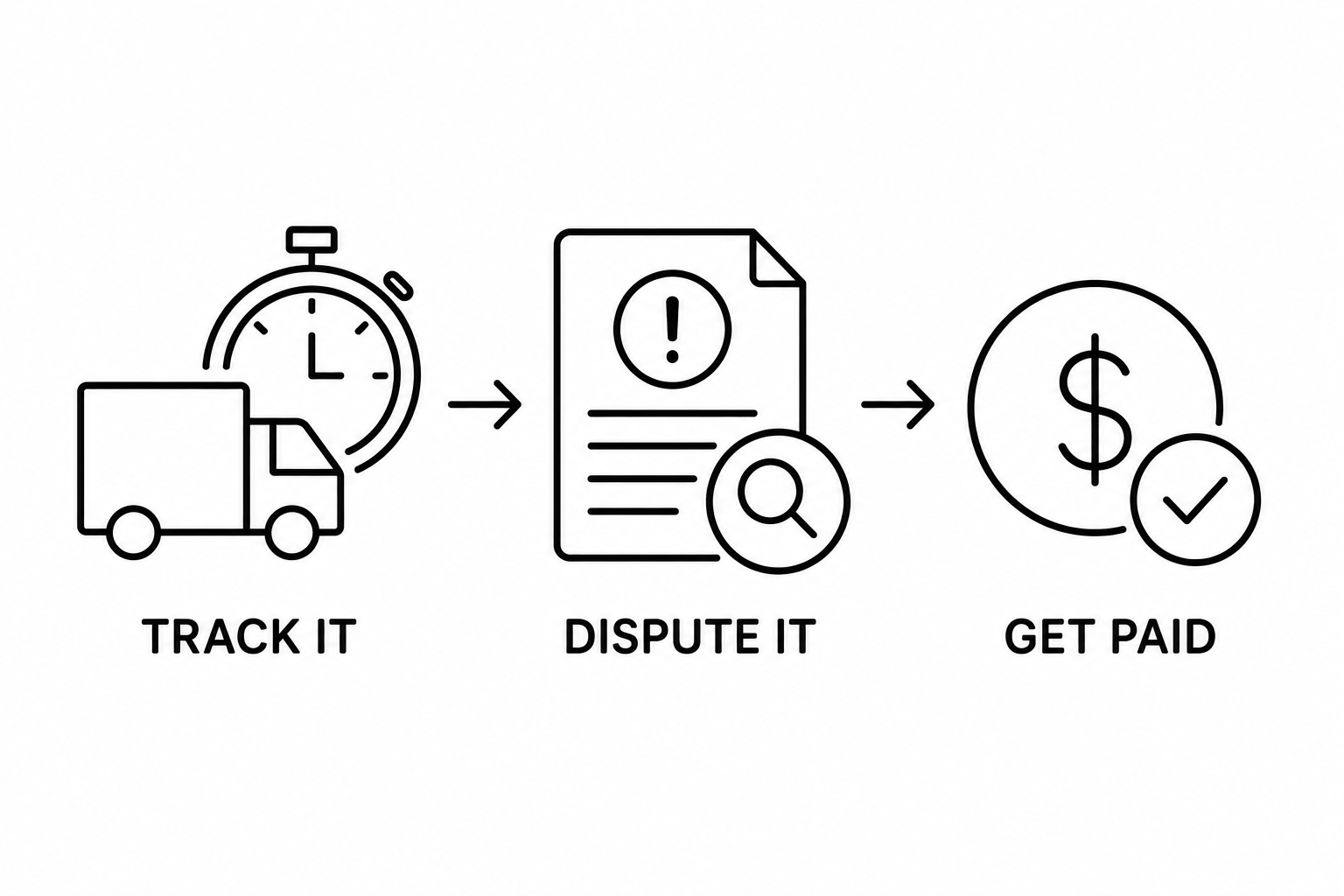
Detention Time: How to Track It, Dispute It, and Get Paid for It
Read Article: Detention Time: How to Track It, Dispute It, and Get Paid for ItDetention time is the billable wait time that occurs when a driver is held beyond the agreed loading or unloading window. In freight operations, the concept is familiar, however the recovery process often breaks down once the load moves from dispatch to billing. A late dock, missing check-in record, unclear free-time rule, or unsigned proof…
-
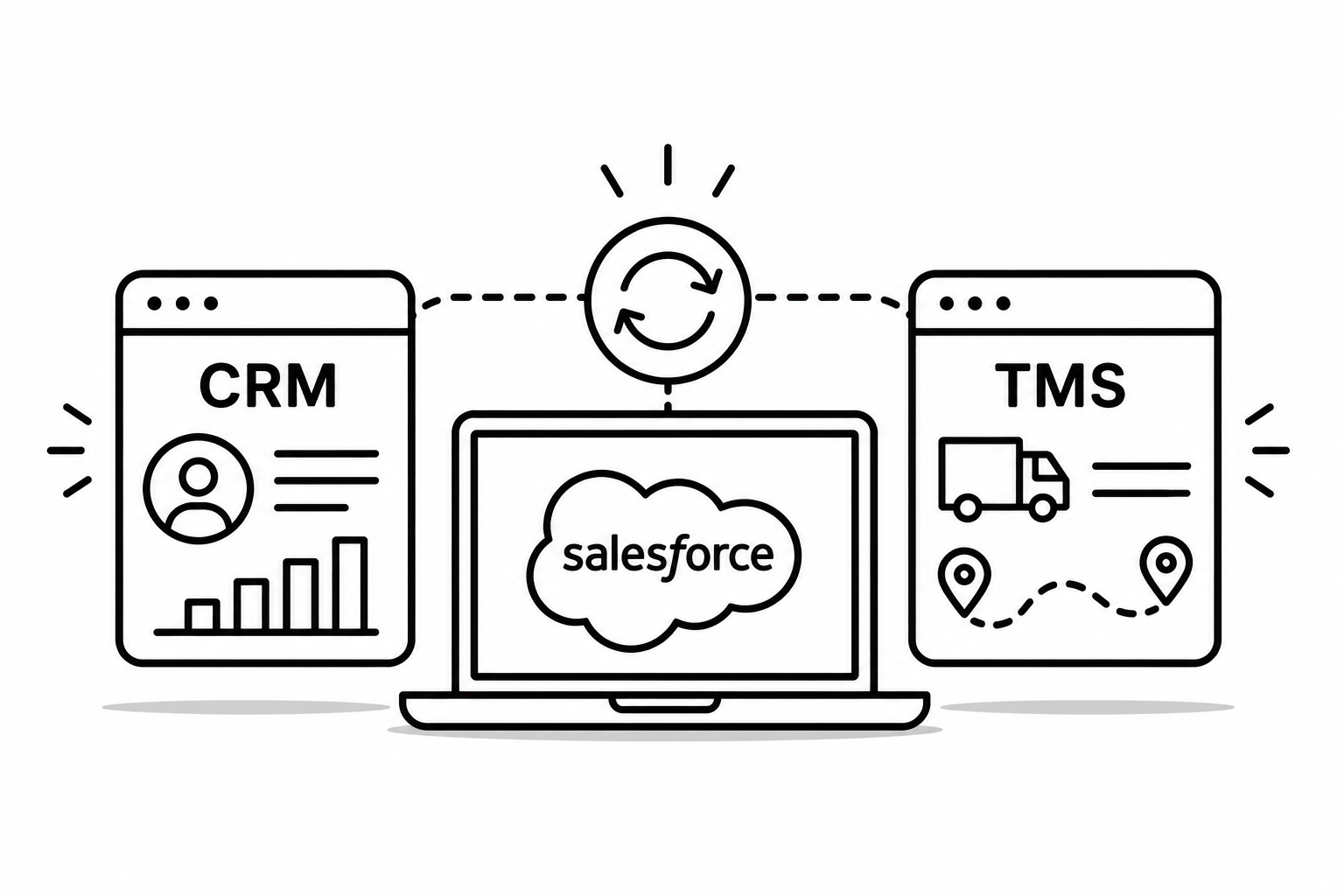
CRM and TMS Integration: Why Running Both in Salesforce Changes Everything for Brokers
Read Article: CRM and TMS Integration: Why Running Both in Salesforce Changes Everything for BrokersEnterprise freight brokers rarely struggle because they lack technology. Most established brokerages already have multiple platforms managing different parts of the business. Sales teams track customer relationships. Operations teams manage freight execution. Finance teams analyze performance. Customer service teams handle communication. The challenge appears when those systems operate independently. A customer relationship platform may contain…
-

How to Reduce DSO in Freight Billing Before It Drains Your Cash Flow
Read Article: How to Reduce DSO in Freight Billing Before It Drains Your Cash FlowDays Sales Outstanding (DSO) in freight billing measures the number of days between issuing an invoice and receiving payment. The global logistics industry averages 47 days DSO. In trucking and brokerage, high DSO is caused by delayed invoicing, missing proof of delivery documents, billing errors, and slow dispute handling. Automating invoice generation from load data…
-
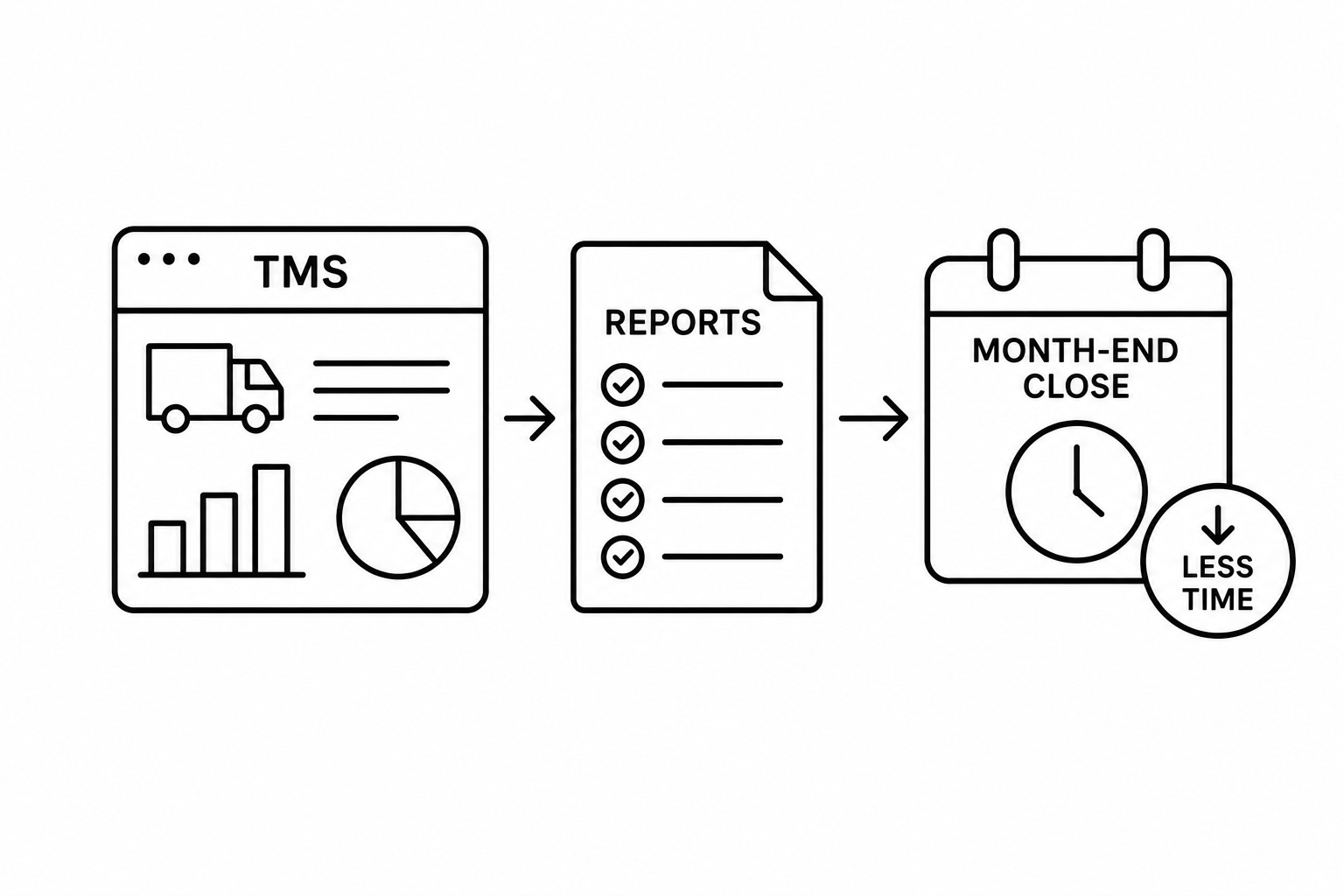
TMS Reporting: How Logistics Teams Reduce Month-End Accounting Close Time
Read Article: TMS Reporting: How Logistics Teams Reduce Month-End Accounting Close TimeMonth-end close is one of the most demanding periods for logistics and transportation companies. While accounting teams work to finalize financial records, operations teams are still collecting freight invoices, reviewing accessorial charges, reconciling carrier payments, and chasing missing shipment information. This is where TMS reporting becomes a major advantage. By connecting transportation activity with accurate…
Continue exploring
Connect the insight to the workflow
When an article answers the first question, these focused pathways can help you explore the operational context behind it.
AutoFill
Explore the FTM workflow for document-driven freight operations.
Explore AutoFill → Customer visibilityCustomer Portal
See how customers can follow the transportation information shared with them.
Explore the portal → Connected systemsFTM Integrations
Browse the integration paths that support connected freight workflows.
View integrations → Operational guidanceFreight Resources
Continue with FTM guides, documents, glossary entries, and setup resources.
Browse resources →Looking for a better way to run transportation operations?
Explore how FTM connects quoting, dispatch, drivers, customers, documents, billing, and reporting inside Salesforce.
