FTM Blog
Freight Operations Insights
The FTM freight transportation management blog shares practical guidance on dispatch, carrier operations, billing, margin, freight technology, AI, and automation. Whether you manage broker, carrier, or shipper operations, use this hub to find clearer answers and the next useful resource.
Featured
Start with one timely freight insight
Begin with a timely perspective on the operational decisions shaping freight teams today. Then, continue into the latest articles or choose a specific business problem.
-
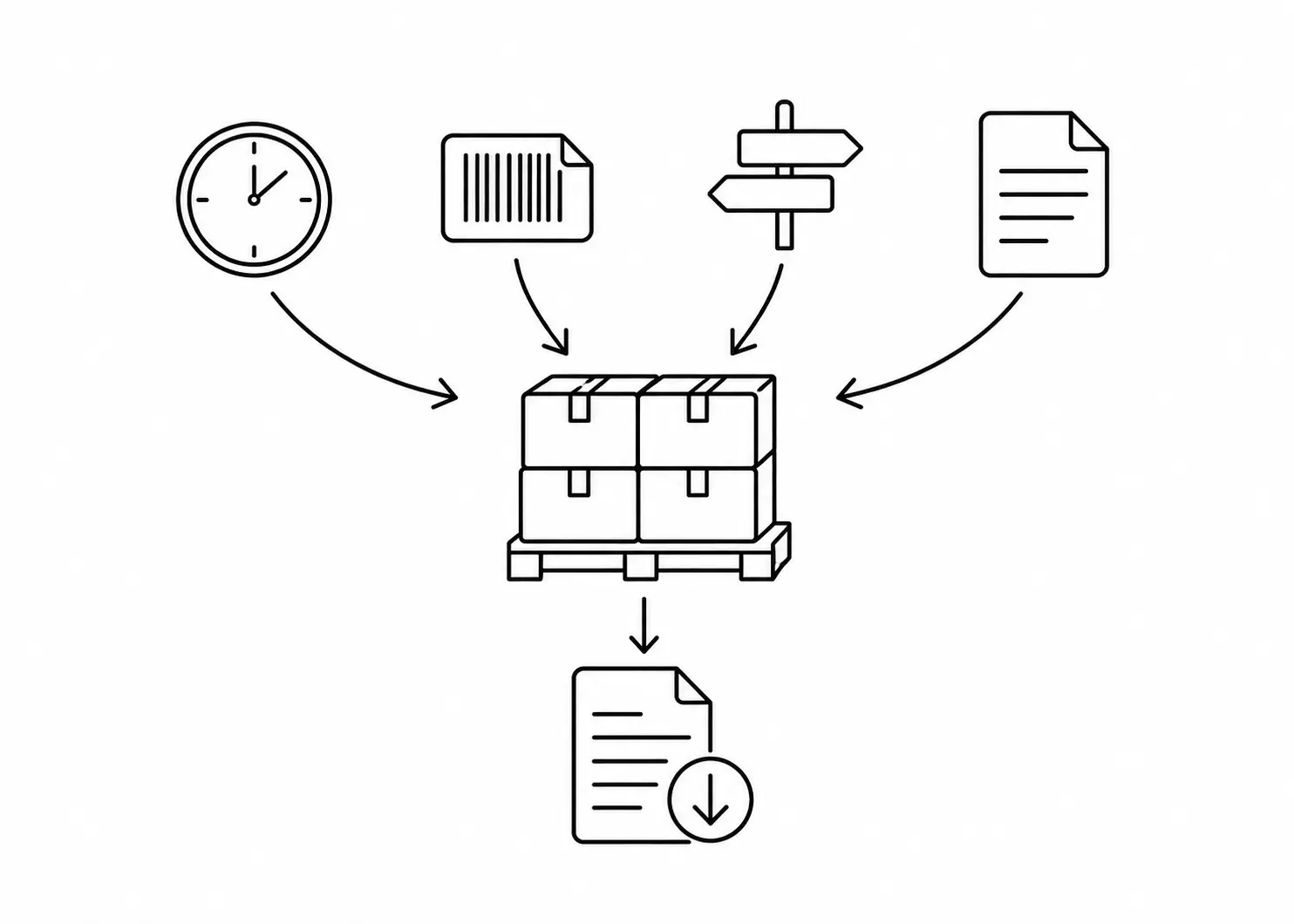
The Hidden Costs of Shipper Non-Compliance and How to Avoid Penalties
Read Article: The Hidden Costs of Shipper Non-Compliance and How to Avoid PenaltiesA pallet leaves the warehouse two hours later than planned. The order is complete, the product is correct, and nothing is physically wrong with the shipment. It still arrives outside the retailer’s must-arrive-by window. Three weeks later, a deduction appears on the remittance advice, and nobody in the finance department can immediately say which shipment…
Recently published
Latest insights
See the newest practical thinking from FTM, from day-to-day freight work to long-term transportation strategy.
-
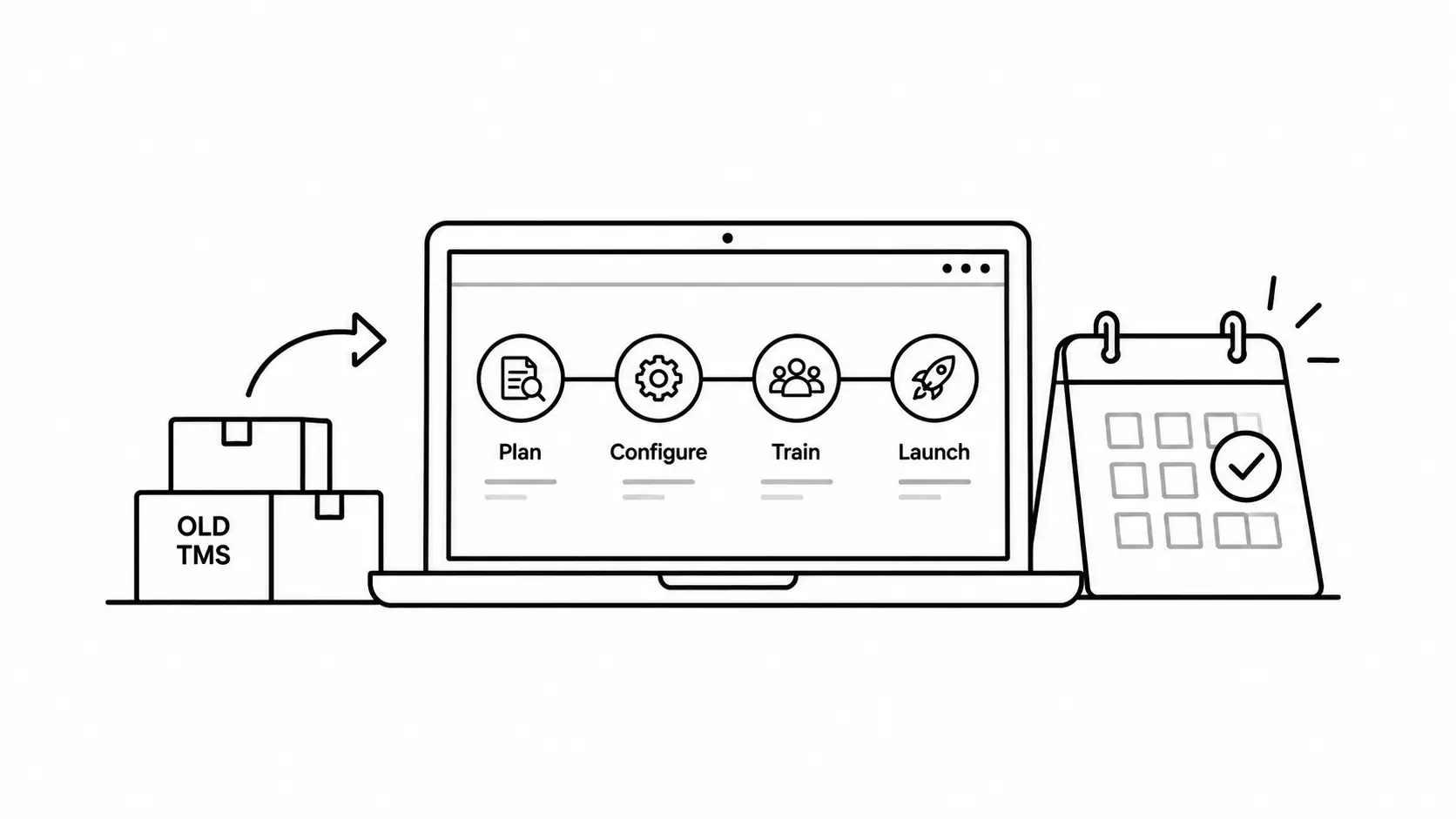
TMS Implementation Timeline: How Long Does Switching Really Take
Read Article: TMS Implementation Timeline: How Long Does Switching Really TakeA TMS implementation timeline can run anywhere from a few weeks to well over a year. That range sounds unhelpfully broad until you separate the software installation from everything surrounding it. Modern cloud software can provision an environment quickly. However, transportation teams still need to migrate customer and carrier data, configure workflows, connect accounting or…
-
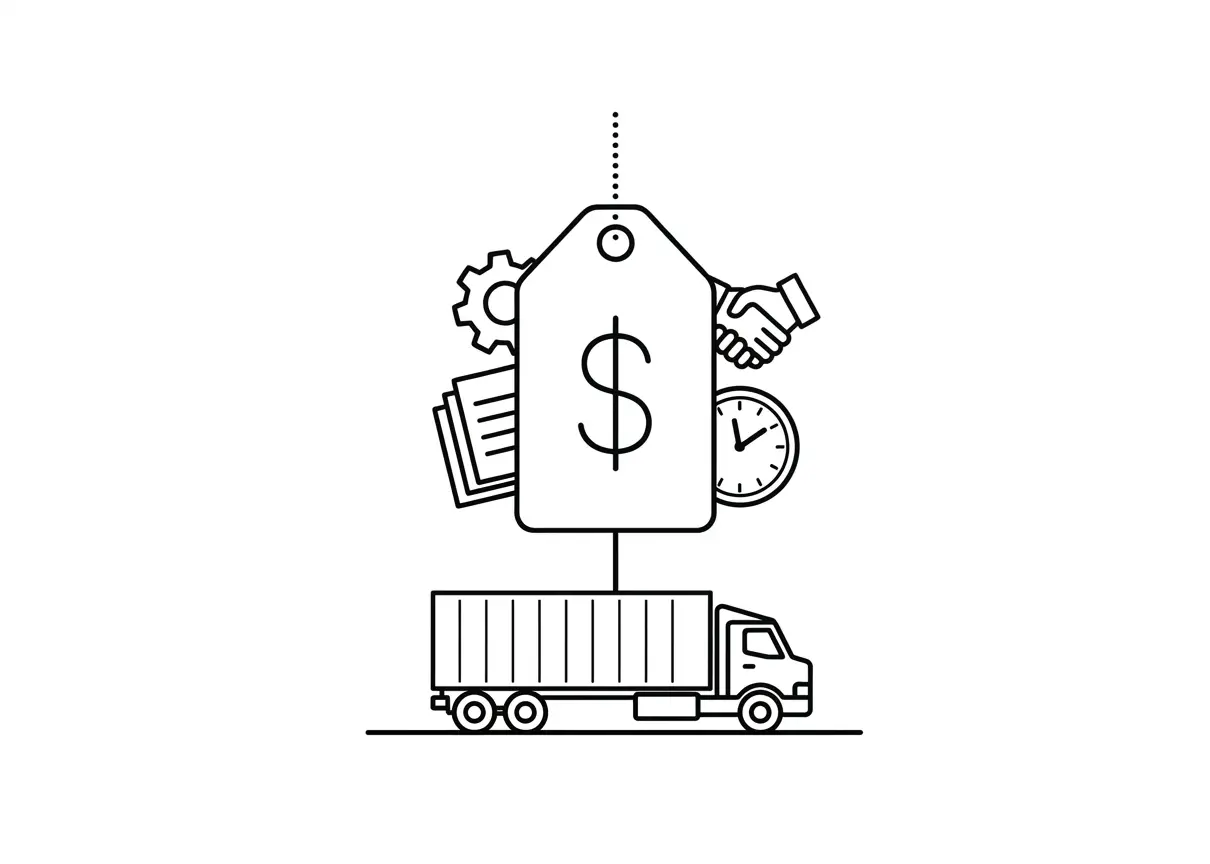
Freight Broker Software Pricing: What You Should Actually Pay in 2026
Read Article: Freight Broker Software Pricing: What You Should Actually Pay in 2026A brokerage owner requests three demos in the same week. One vendor quotes $199 per user per month. Another says pricing starts at $514 flat, no contract. A third will not give a number at all until someone gets on a call. None of these numbers are directly comparable, and nobody on the buying side…
-
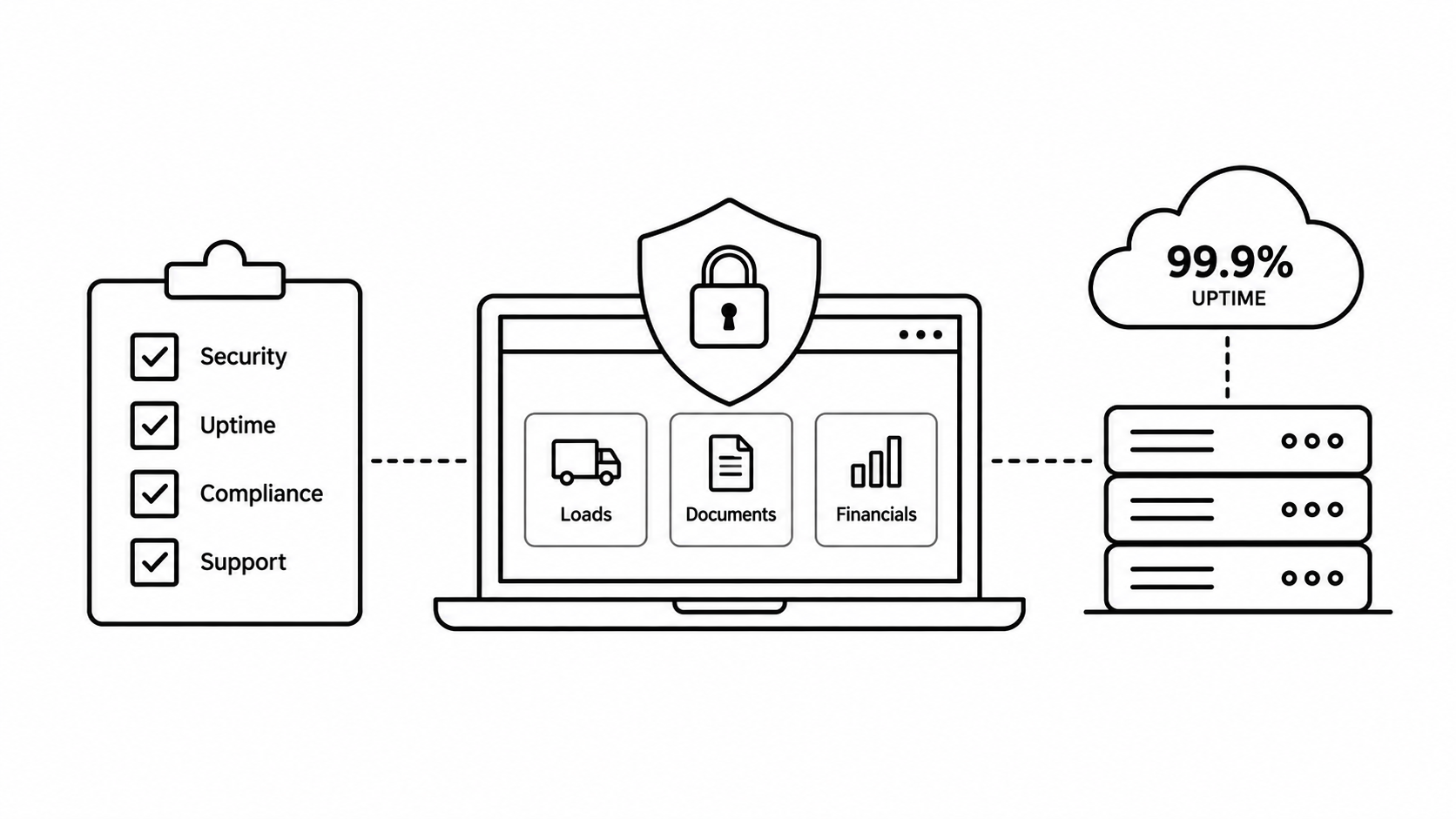
TMS Security and Uptime: How to Vet a Vendor Before You Sign
Read Article: TMS Security and Uptime: How to Vet a Vendor Before You SignTMS security usually becomes a procurement priority after someone asks a simple question: what happens if the system holding our loads, customer records, carrier information, documents, rates, and invoices becomes unavailable or compromised? By that point, the TMS may already be deeply embedded in operations. Dispatch depends on it. Customer service needs shipment status. Drivers…
Explore by business problem
What are you trying to improve?
Choose an operational priority first. Then, use the related FTM pathways to connect what you learn with the workflow it affects.
Protect Margin
Explore quoting, accessorials, freight pricing, billing, and margin visibility. As a result, it becomes easier to see where revenue can be protected before and after a load moves.
Improve Dispatch
Find guidance on dispatch, driver communication, POD, visibility, and exceptions. Meanwhile, explore how those handoffs fit into the wider transportation workflow.
Build Better Carrier Capacity
Read about carrier sourcing, diversification, onboarding, and load coverage. In addition, follow the related workflows for managing carriers and private capacity.
Automate Freight Documents
Explore BOL, POD, rate confirmations, invoicing, and document automation. For example, see how teams can reduce manual document handling while keeping the operating workflow connected.
Evaluate a TMS
Compare approaches to TMS selection, implementation, migration, pricing, and Salesforce-native architecture. Finally, use the product, comparison, and setup resources to go deeper.
Article library
All freight operations insights
Browse more guidance across freight operations, technology, carrier management, dispatch, billing, margin, AI, and automation.
-
Inconsistent Last-Mile Delivery: Urban & B2C Logistics Challenges
Read Article: Inconsistent Last-Mile Delivery: Urban & B2C Logistics ChallengesWhy Inconsistent Last-Mile Delivery Is Holding Your Logistics Back In urban areas and international B2C logistics, last-mile delivery has become a growing challenge. With rising consumer expectations for fast and transparent deliveries, logistics teams face the pressure to meet demands that their infrastructure is often ill-equipped to handle. In cities, congestion, narrow streets, and unpredictable…
-
How to Reduce Freight Costs Without Sacrificing Service Quality
Read Article: How to Reduce Freight Costs Without Sacrificing Service QualityDiscover proven strategies to reduce freight costs without sacrificing service quality, from smarter routing and automation to TMS visibility. The Pressure to Reduce Freight Costs, Without Losing Customers Freight expenses have been rising faster than revenue for most logistics teams. According to industry data from 2024, transportation costs climbed by an average of 11%, driven…
-
Carrier Scorecards: Metrics, Weighting and Bid Awards
Read Article: Carrier Scorecards: Metrics, Weighting and Bid AwardsCarrier scorecards turn load, service, tracking, document, claim, and cost data into a consistent carrier-performance review. Brokers and shippers can use the results to compare carriers by lane or service type, identify recurring problems, prepare performance reviews, and support bid-award decisions with recorded data. A useful scorecard does more than list percentages. It defines every…
-

The Evolution of the Digital Freight Broker: Why Tech Skills Are the New Currency
Read Article: The Evolution of the Digital Freight Broker: Why Tech Skills Are the New CurrencyFrom cold calls to connected ecosystems, how technology is redefining brokerage and what it takes to stay ahead. Freight Brokerage Has Entered a New Era There was a time when freight brokerage was all about the phone. The fastest dialer won the freight, the sharpest negotiator got the margin, and relationships were built one load…
-
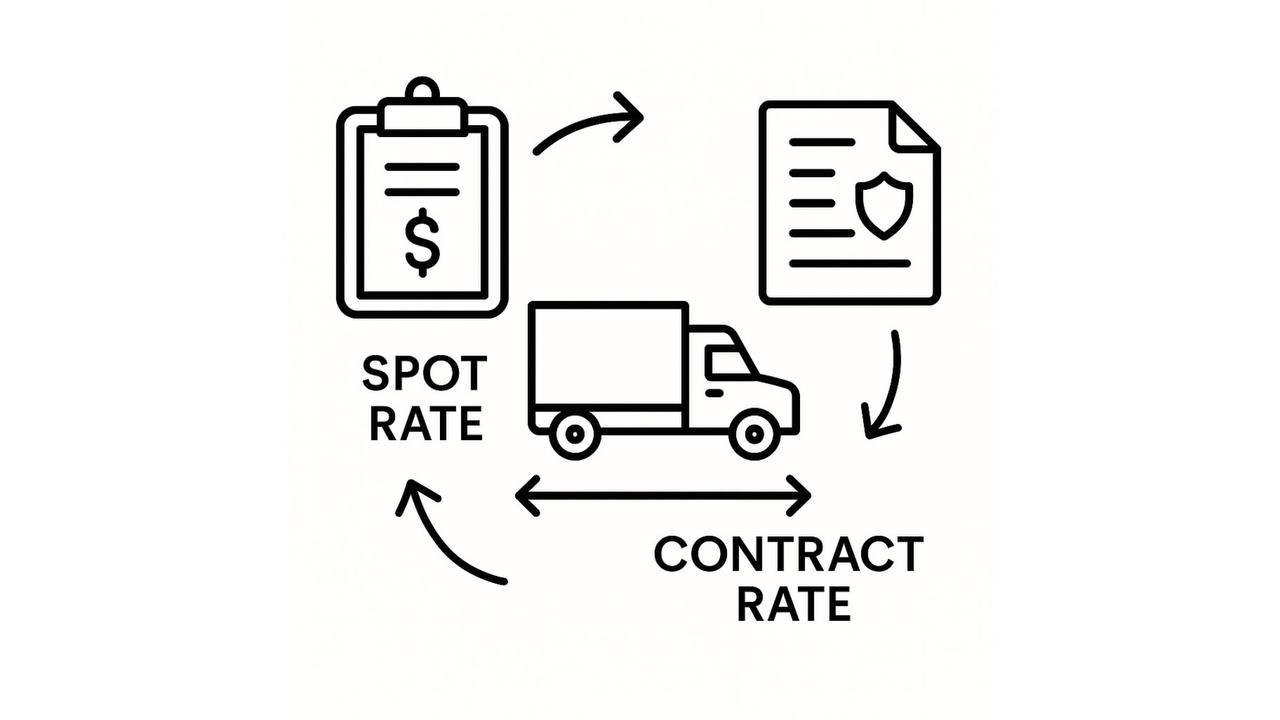
Spot Rate vs. Contract Rate: Which Saves More in the Long Run?
Read Article: Spot Rate vs. Contract Rate: Which Saves More in the Long Run?In freight logistics, every dollar counts, but not every shipment is priced the same. One of the biggest strategic decisions shippers face is choosing between spot rates and contract rates. Both play essential roles in today’s volatile transportation market, yet their financial impact can differ dramatically depending on timing, volume, and global conditions. Understanding how…
-
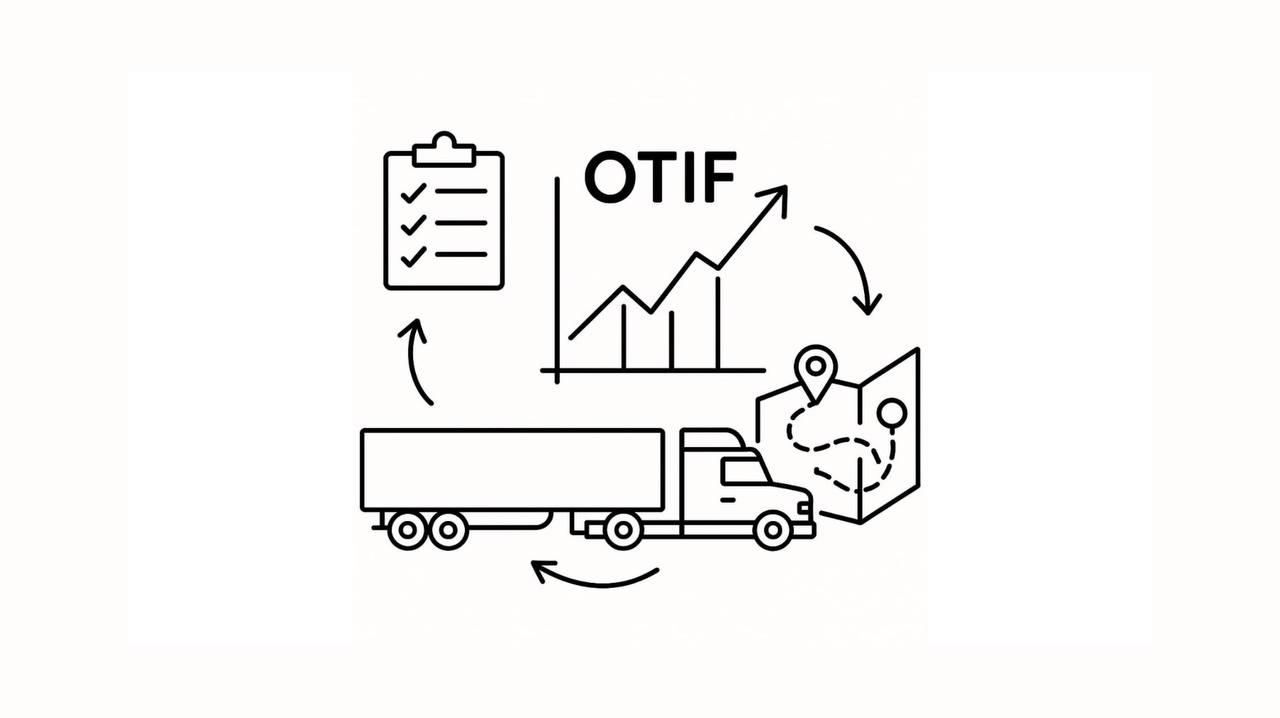
Improve On-Time, In-Full (OTIF): Strategic Planning, Smarter Routing & Real-Time Collaboration
Read Article: Improve On-Time, In-Full (OTIF): Strategic Planning, Smarter Routing & Real-Time CollaborationDiscover how to move from reactive to reliable: actionable ways to improve OTIF (On-Time, In-Full) delivery via better planning, routing intelligence and seamless collaboration. OTIF Isn’t a Metric—It’s Your Promise In logistics, we call our promise to the customer ‘on-time and in-full’ (OTIF); however, many teams still think of OTIF as something that happens after…
-
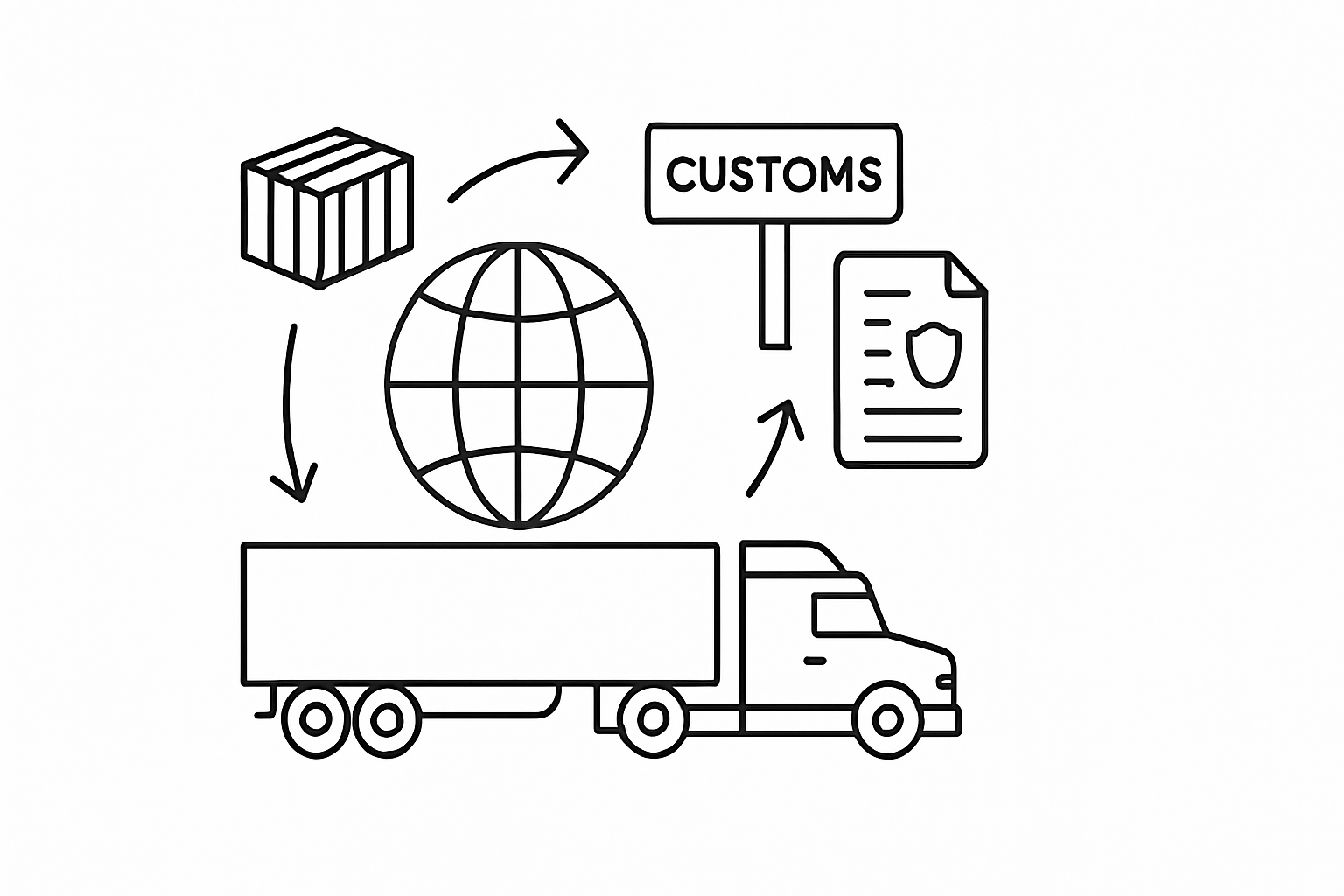
Cross-Border Freight at Scale: Tips for Large Multinational Shippers
Read Article: Cross-Border Freight at Scale: Tips for Large Multinational ShippersWhy Scaling Cross-Border Freight Is a Global Challenge Cross-border freight has become the heartbeat of international trade, yet scaling it efficiently across multiple regions remains one of logistics’ toughest puzzles. From customs delays and tariff fluctuations to visibility gaps and data silos, large multinational shippers are under constant pressure to keep shipments flowing smoothly while…
-

What Is Predictive Analytics in Logistics: Turning Load History into Actionable Insights
Read Article: What Is Predictive Analytics in Logistics: Turning Load History into Actionable InsightsEver wondered what is predictive analytics and how it could transform your logistics strategy? Every mile, every delay, every load your business moves holds data and predictive analytics in logistics converts that data into foresight. It helps you cut costs, plan capacity, and make faster, smarter dispatch decisions before problems occur. What Is Predictive Analytics…
-

Freight Classes Explained: Why They Matter for Shippers and Brokers
Read Article: Freight Classes Explained: Why They Matter for Shippers and BrokersWhy Freight Class Misclassification Costs You Big Imagine two shipments of the same weight traveling the same route, yet one costs 30% more. Often, the culprit isn’t distance or fuel, it’s freight class misclassification. From LTL carriers to full-truckload brokers, freight classes govern pricing, liability, and operational complexity. Misclassifying freight can drain margins, delay deliveries,…
-
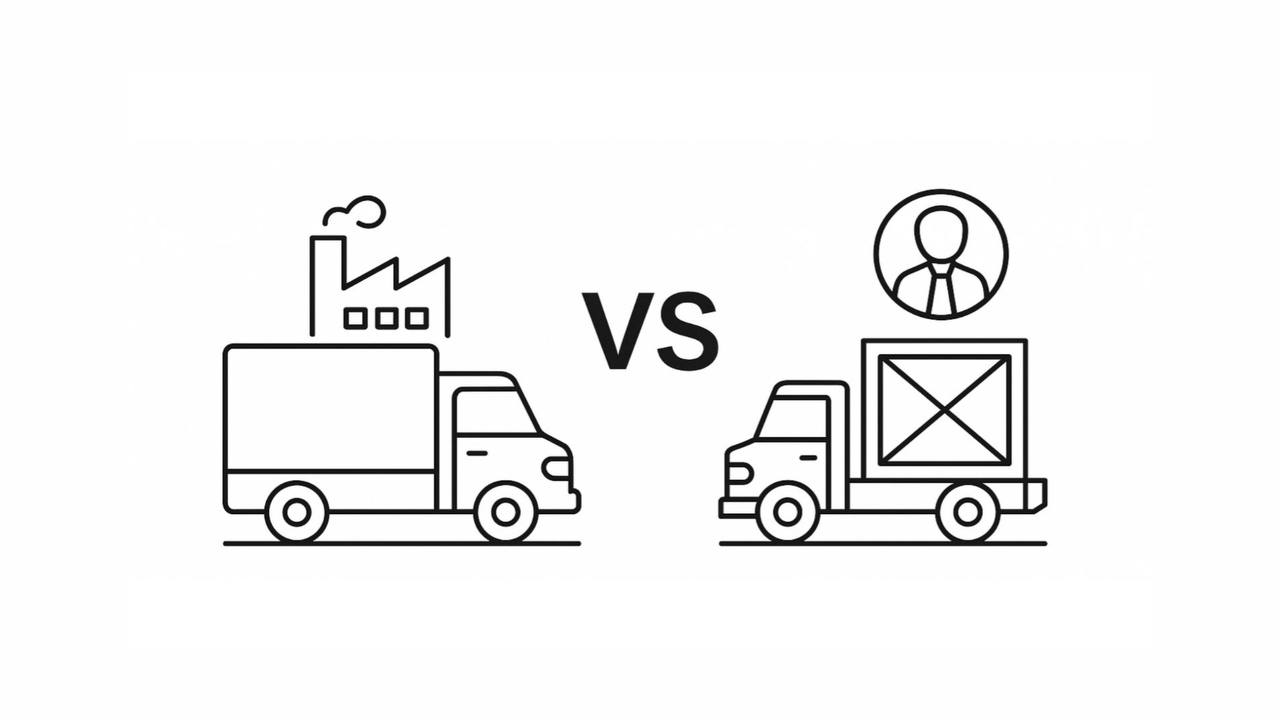
In-House Fleet vs Outsourced Carriers: Which Scales Best in Logistics
Read Article: In-House Fleet vs Outsourced Carriers: Which Scales Best in LogisticsExplore the pros and cons of in-house fleets vs outsourced carriers. Discover which model scales better for cost, control, flexibility, and growth. The Growth Dilemma in Logistics The growth of logistics usually raises an essential question for shippers and brokers: do you scale by growing your own in-house fleet, or should you outsource more to…
-
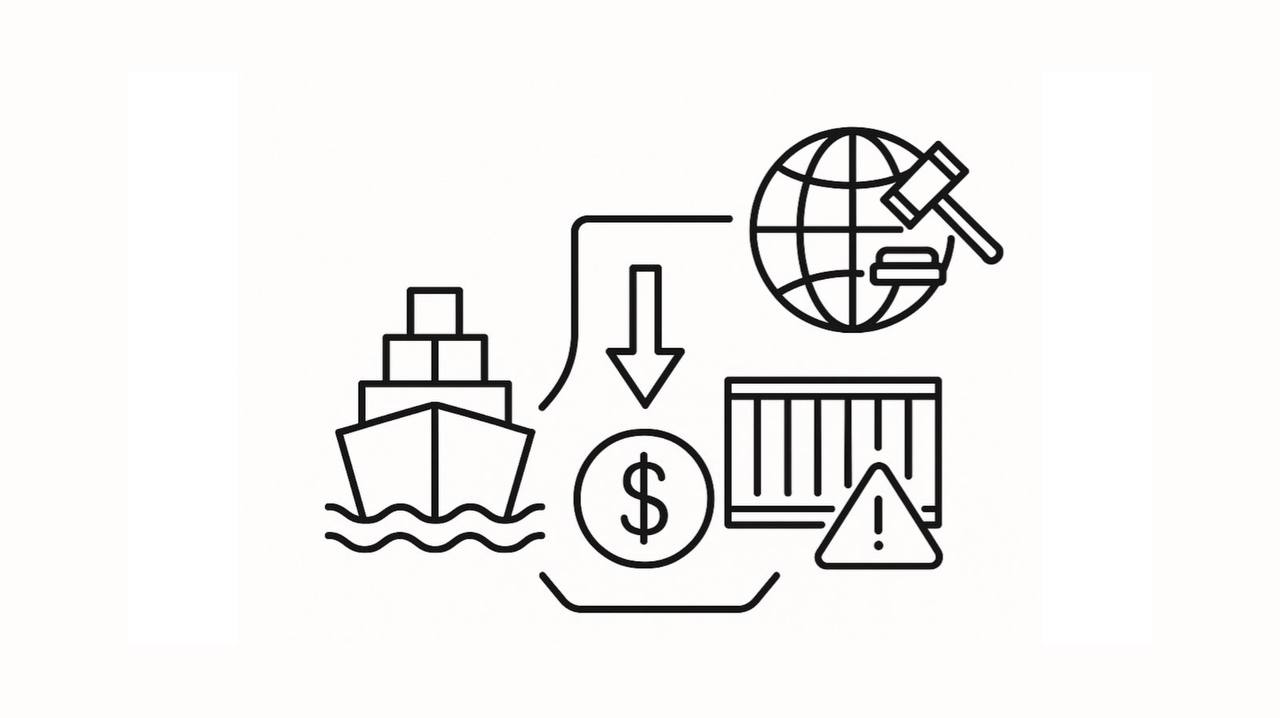
Managing Risk in Large-Scale Logistics: From Trade Wars to Tariffs
Read Article: Managing Risk in Large-Scale Logistics: From Trade Wars to TariffsGlobal logistics has always been complex but in recent years, that complexity has turned into volatility. From trade wars that reshape supply routes overnight to unpredictable tariff policies impacting margins, the logistics landscape demands more than just resilience, it demands strategic foresight. This is where managing risk in large-scale logistics becomes not just a survival…
-
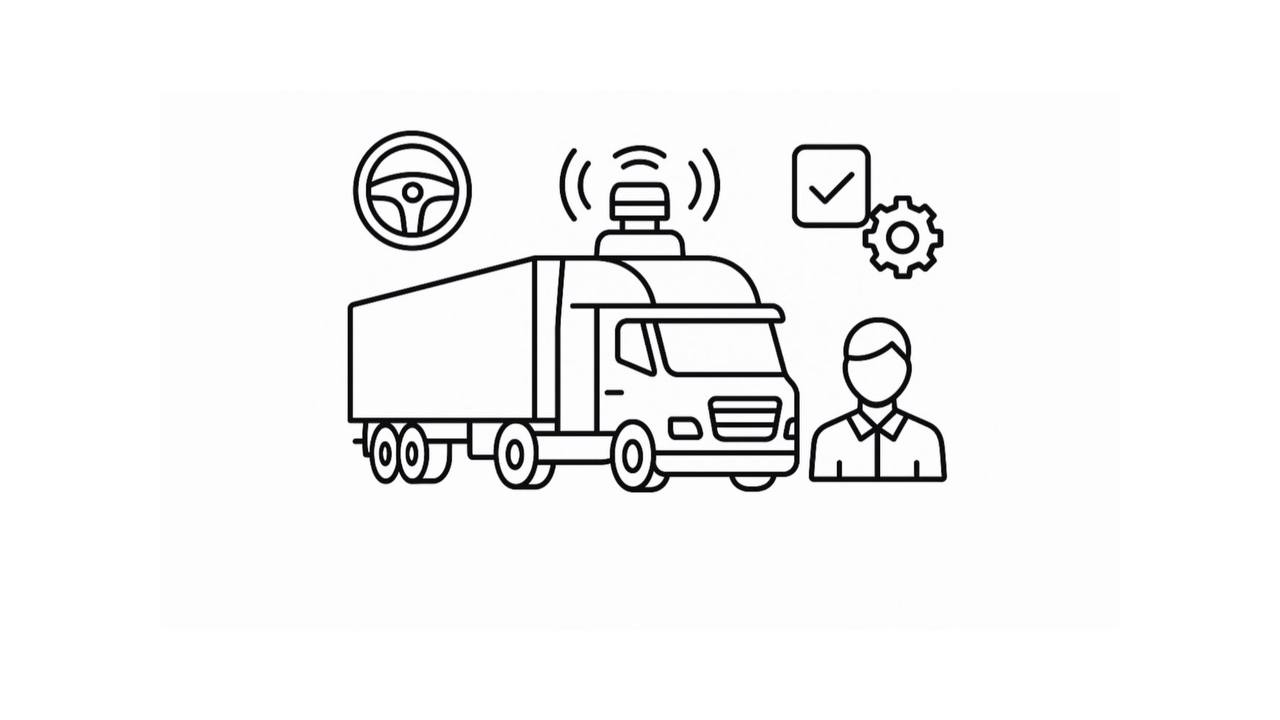
Autonomous Trucks in Logistics: What Shippers & Brokers Need to Know
Read Article: Autonomous Trucks in Logistics: What Shippers & Brokers Need to KnowDiscover how autonomous trucks will reshape logistics for shippers and brokers, from cost savings to liability shifts. Learn the risks and opportunities. The Future Isn’t Coming, It’s Here Autonomous trucks appear to make a rapid transition from tech demonstrations to pilot programs hauling freight across key U.S. corridors. In 2024, hundreds of autonomous vehicles logged…
Continue exploring
Connect the insight to the workflow
When an article answers the first question, these focused pathways can help you explore the operational context behind it.
AutoFill
Explore the FTM workflow for document-driven freight operations.
Explore AutoFill → Customer visibilityCustomer Portal
See how customers can follow the transportation information shared with them.
Explore the portal → Connected systemsFTM Integrations
Browse the integration paths that support connected freight workflows.
View integrations → Operational guidanceFreight Resources
Continue with FTM guides, documents, glossary entries, and setup resources.
Browse resources →Looking for a better way to run transportation operations?
Explore how FTM connects quoting, dispatch, drivers, customers, documents, billing, and reporting inside Salesforce.
