FTM Blog
Freight Operations Insights
The FTM freight transportation management blog shares practical guidance on dispatch, carrier operations, billing, margin, freight technology, AI, and automation. Whether you manage broker, carrier, or shipper operations, use this hub to find clearer answers and the next useful resource.
Featured
Start with one timely freight insight
Begin with a timely perspective on the operational decisions shaping freight teams today. Then, continue into the latest articles or choose a specific business problem.
-
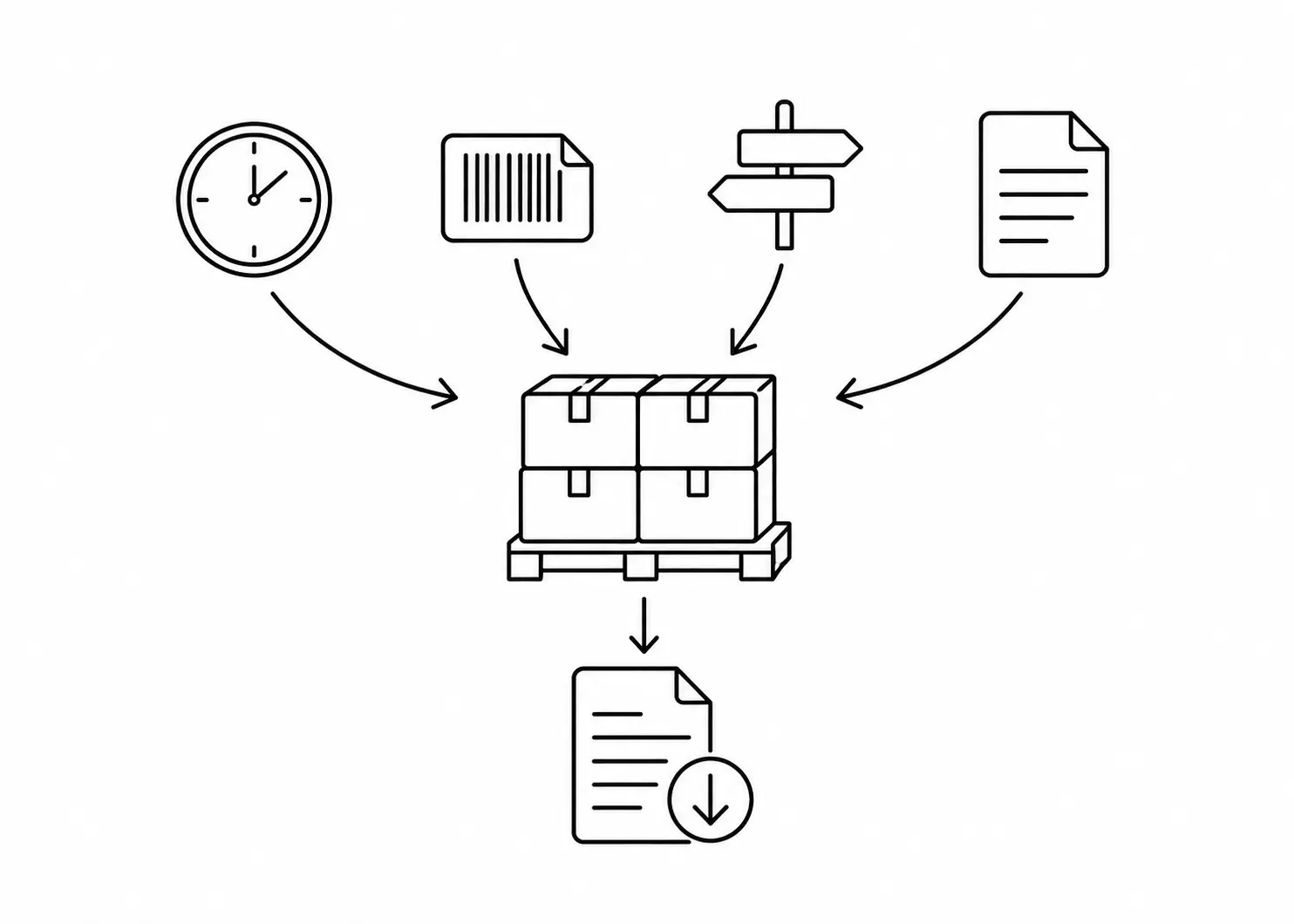
The Hidden Costs of Shipper Non-Compliance and How to Avoid Penalties
Read Article: The Hidden Costs of Shipper Non-Compliance and How to Avoid PenaltiesA pallet leaves the warehouse two hours later than planned. The order is complete, the product is correct, and nothing is physically wrong with the shipment. It still arrives outside the retailer’s must-arrive-by window. Three weeks later, a deduction appears on the remittance advice, and nobody in the finance department can immediately say which shipment…
Recently published
Latest insights
See the newest practical thinking from FTM, from day-to-day freight work to long-term transportation strategy.
-
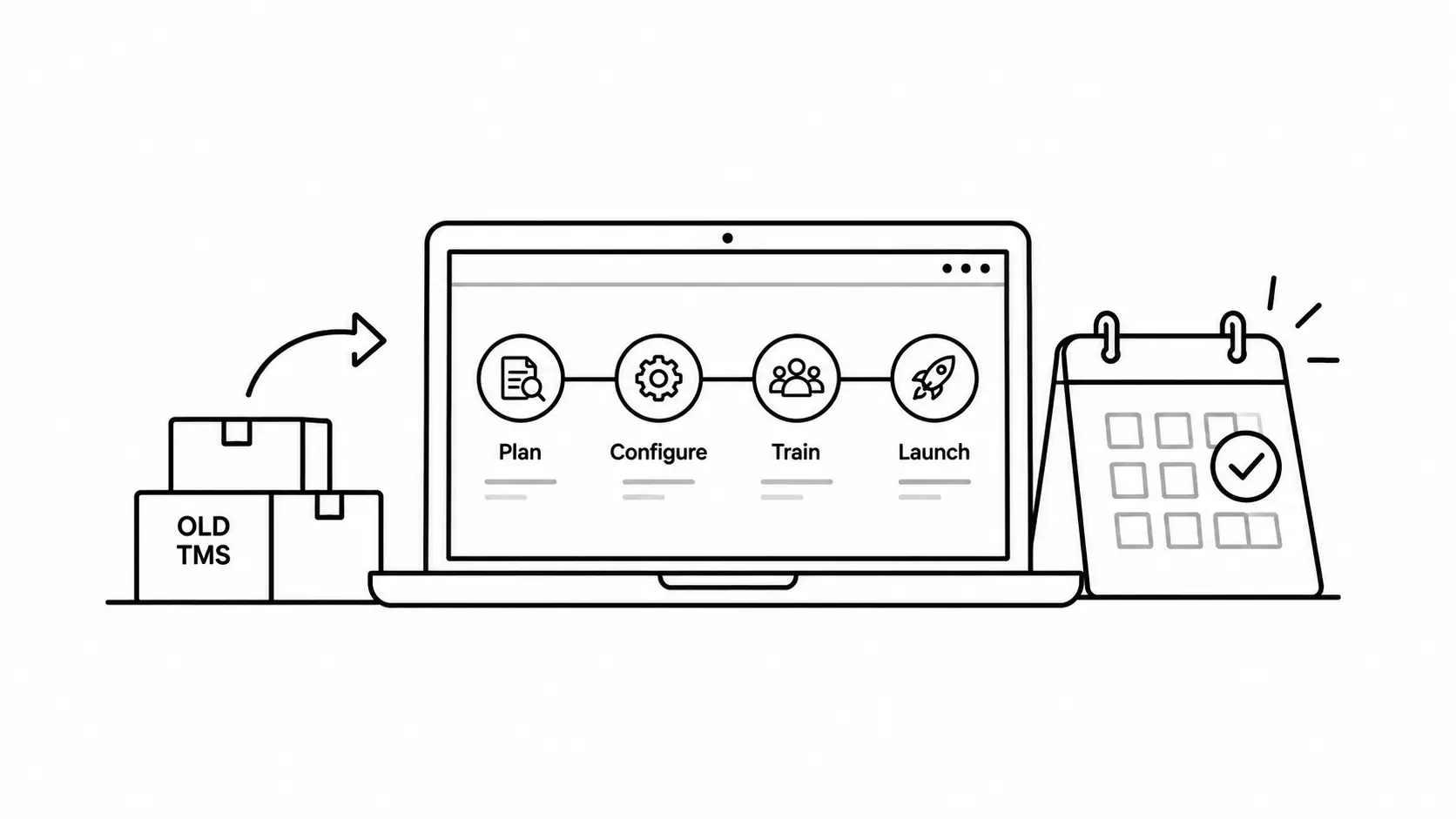
TMS Implementation Timeline: How Long Does Switching Really Take
Read Article: TMS Implementation Timeline: How Long Does Switching Really TakeA TMS implementation timeline can run anywhere from a few weeks to well over a year. That range sounds unhelpfully broad until you separate the software installation from everything surrounding it. Modern cloud software can provision an environment quickly. However, transportation teams still need to migrate customer and carrier data, configure workflows, connect accounting or…
-
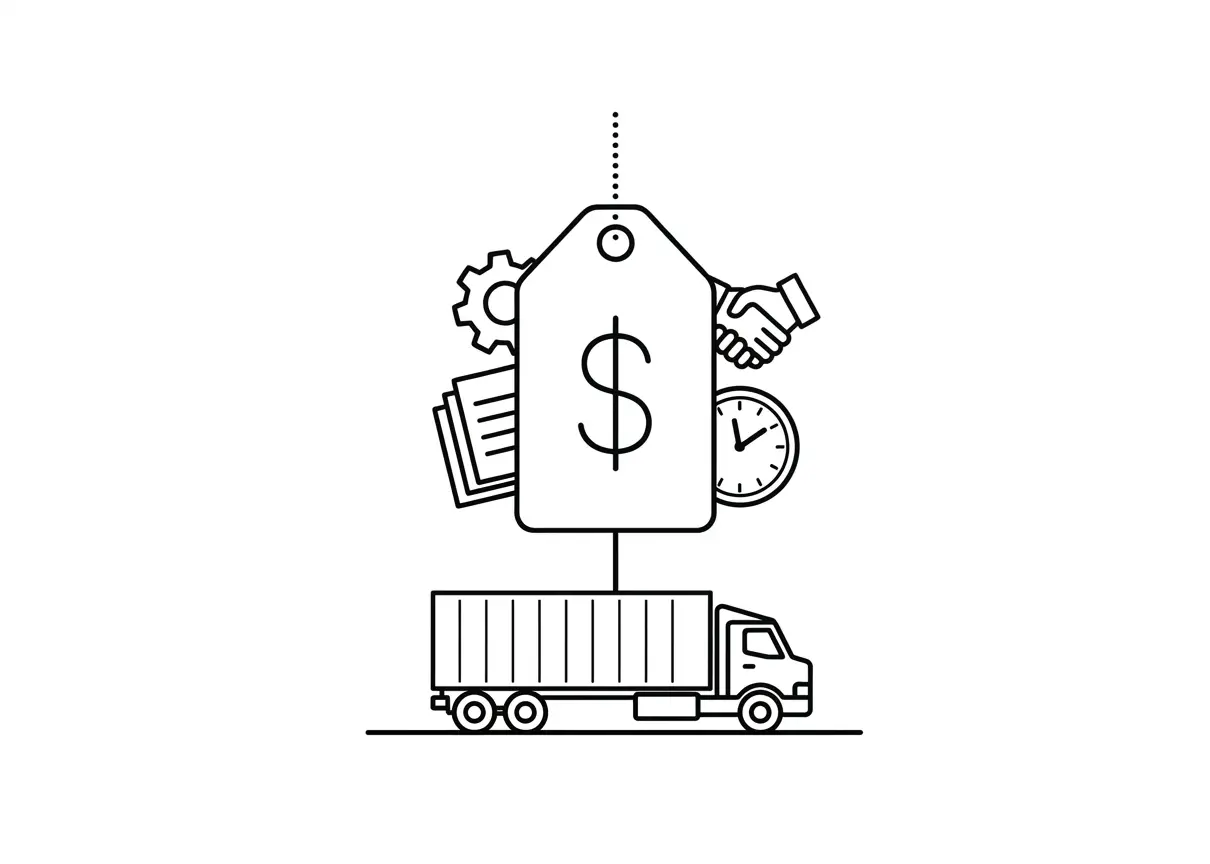
Freight Broker Software Pricing: What You Should Actually Pay in 2026
Read Article: Freight Broker Software Pricing: What You Should Actually Pay in 2026A brokerage owner requests three demos in the same week. One vendor quotes $199 per user per month. Another says pricing starts at $514 flat, no contract. A third will not give a number at all until someone gets on a call. None of these numbers are directly comparable, and nobody on the buying side…
-
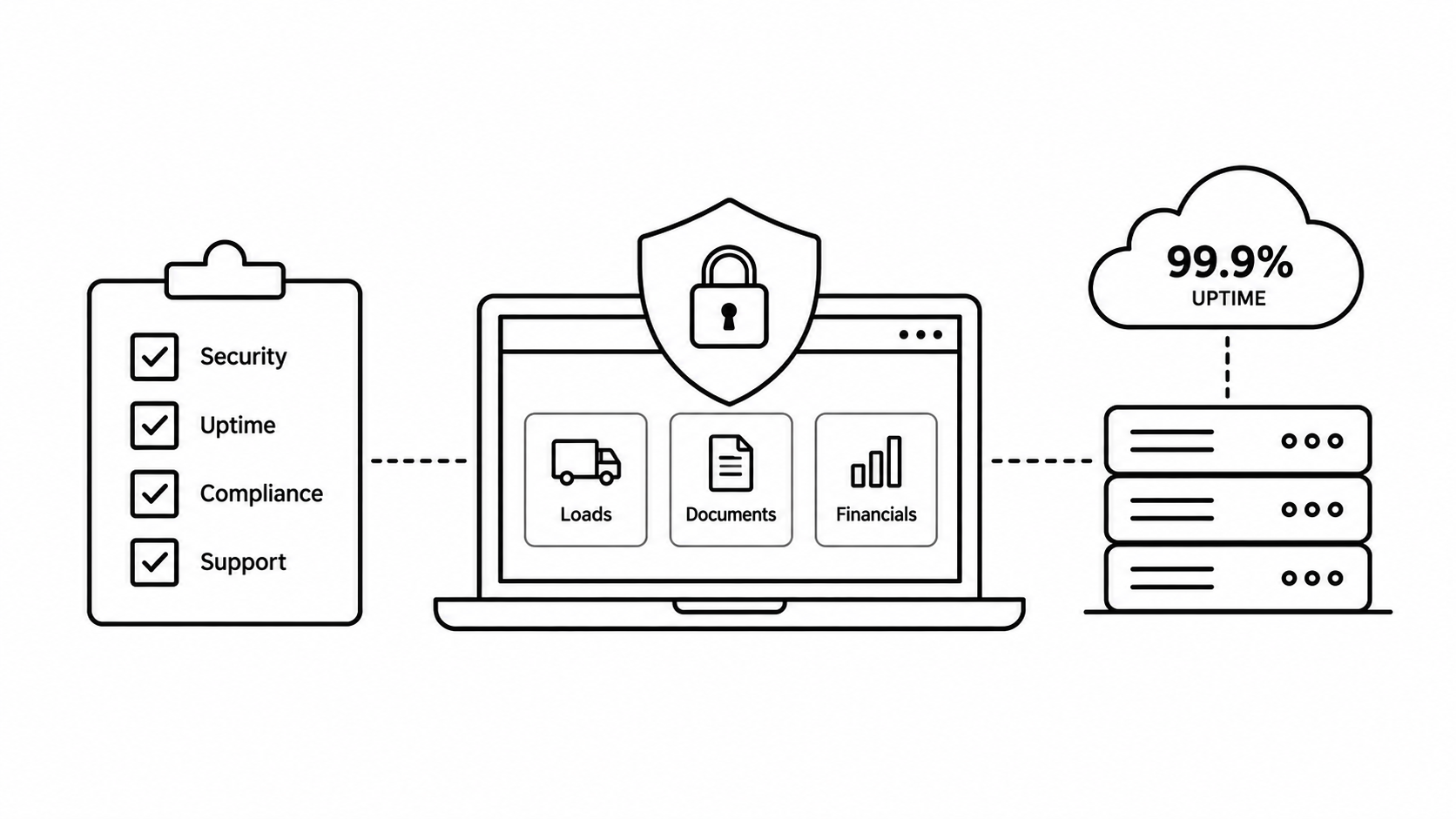
TMS Security and Uptime: How to Vet a Vendor Before You Sign
Read Article: TMS Security and Uptime: How to Vet a Vendor Before You SignTMS security usually becomes a procurement priority after someone asks a simple question: what happens if the system holding our loads, customer records, carrier information, documents, rates, and invoices becomes unavailable or compromised? By that point, the TMS may already be deeply embedded in operations. Dispatch depends on it. Customer service needs shipment status. Drivers…
Explore by business problem
What are you trying to improve?
Choose an operational priority first. Then, use the related FTM pathways to connect what you learn with the workflow it affects.
Protect Margin
Explore quoting, accessorials, freight pricing, billing, and margin visibility. As a result, it becomes easier to see where revenue can be protected before and after a load moves.
Improve Dispatch
Find guidance on dispatch, driver communication, POD, visibility, and exceptions. Meanwhile, explore how those handoffs fit into the wider transportation workflow.
Build Better Carrier Capacity
Read about carrier sourcing, diversification, onboarding, and load coverage. In addition, follow the related workflows for managing carriers and private capacity.
Automate Freight Documents
Explore BOL, POD, rate confirmations, invoicing, and document automation. For example, see how teams can reduce manual document handling while keeping the operating workflow connected.
Evaluate a TMS
Compare approaches to TMS selection, implementation, migration, pricing, and Salesforce-native architecture. Finally, use the product, comparison, and setup resources to go deeper.
Article library
All freight operations insights
Browse more guidance across freight operations, technology, carrier management, dispatch, billing, margin, AI, and automation.
-
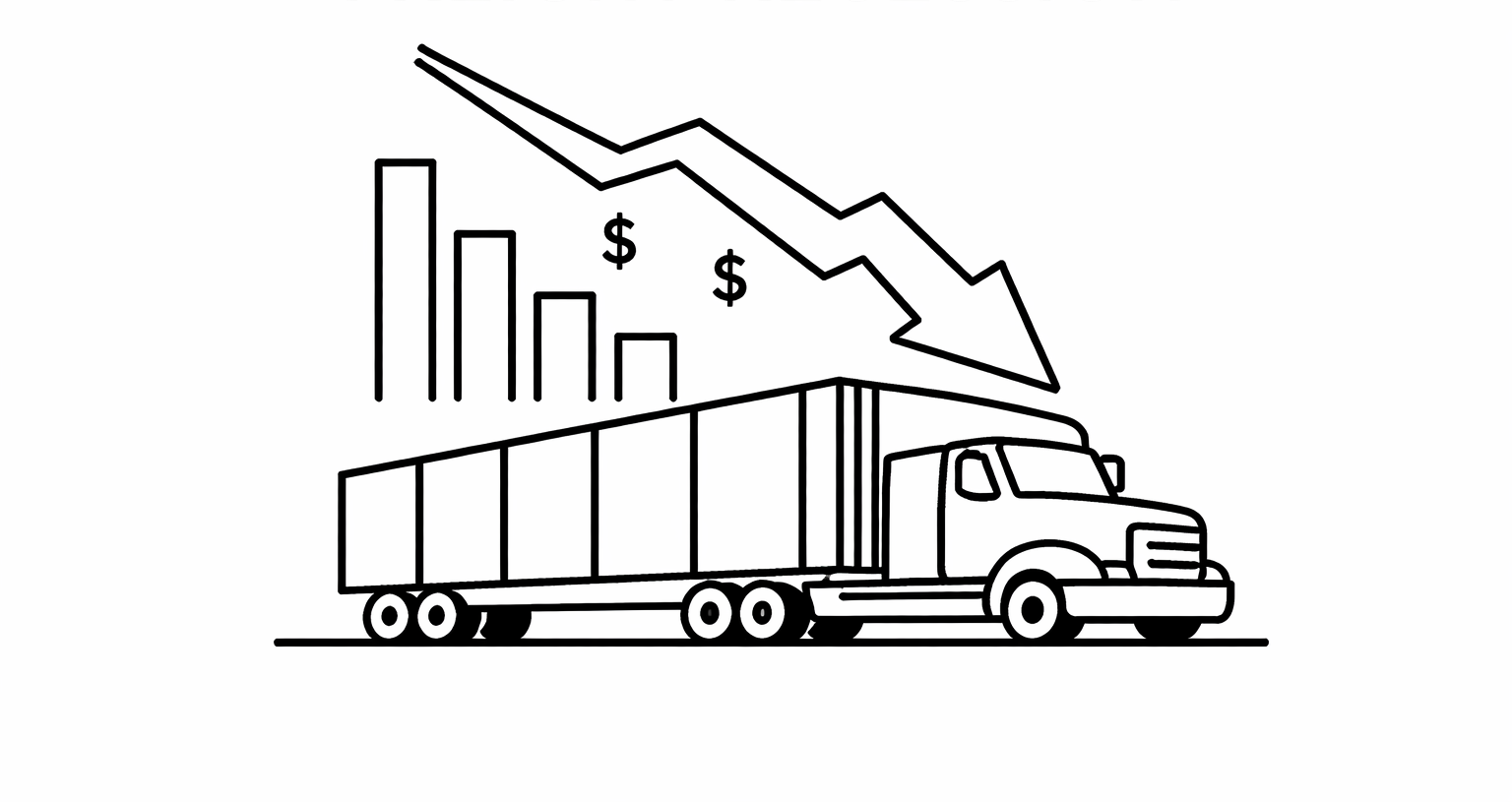
How the Freight Recession Is Changing the Way Shippers Operate in 2026
Read Article: How the Freight Recession Is Changing the Way Shippers Operate in 2026The freight recession has already changed the transportation market. What matters now is not whether it continues, but how its effects show up inside shipper operations. For shippers, this cycle is not playing out as a simple “cheap freight” story. Yes, spot rates dropped. Yes, capacity loosened. But behind the pricing headlines, carrier behavior, service…
-

Cross-Border Freight at Scale in 2026: A Practical Regulatory & Customs Compliance Checklist
Read Article: Cross-Border Freight at Scale in 2026: A Practical Regulatory & Customs Compliance ChecklistImagine your freight crossing multiple borders with zero surprises, no fines, no lost consignments, no last-minute reworks. But without a robust cross-border compliance checklist, that vision dissolves into fines, delays, and frustrated partners. In 2026, as global freight volumes rebound and regulations tighten, poor regulatory preparation isn’t just costly, it threatens market access and reputation…
-
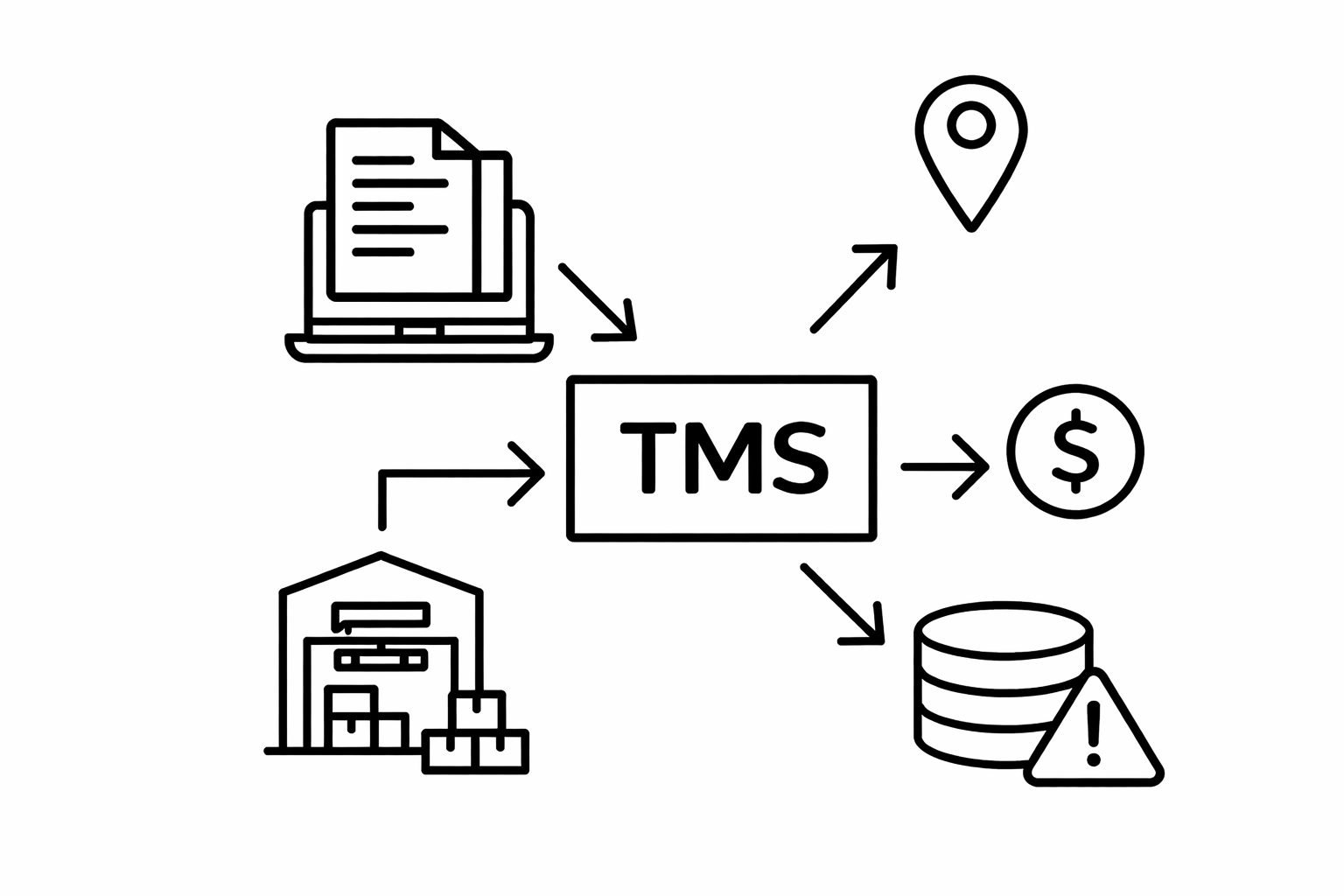
Why Integration Will Be the #1 Priority for TMS Buyers
Read Article: Why Integration Will Be the #1 Priority for TMS BuyersMost TMS buying conversations start the same way: rating, tendering, tracking, documents, billing. Then reality hits. Your “TMS project” is not a TMS project. It’s an integration project with a TMS sitting in the middle. Buyers are learning this the hard way because logistics operations are now built on stacks, not single systems. Visibility platforms…
-

How Poor Data Management Will Hurt Freight Companies
Read Article: How Poor Data Management Will Hurt Freight CompaniesMost freight companies don’t fail because of bad trucks, weak demand, or lack of ambition. They fail quietly, slowly, and expensively because of poor freight data management. The damage rarely shows up as a single catastrophic event. Instead, it leaks through missed opportunities, inconsistent decisions, operational friction, and eroding customer trust. As freight networks grow…
-

Why Customer Experience Will Define Logistics Success
Read Article: Why Customer Experience Will Define Logistics SuccessWhy will customer experience define logistics success in 2026? Because price and speed are no longer enough to stand out. Shippers and B2B customers now expect real-time shipment visibility, proactive issue alerts, and fast support resolution. Logistics providers that deliver a consistent, transparent, and personalized experience retain more clients, grow revenue by 5–10%, and reduce…
-

This Year Is Full of TMS Automation
Read Article: This Year Is Full of TMS AutomationWhat if by the end of 2026 you could run your entire freight operations with almost zero manual input, from booking to delivery to carrier selection? With technological breakthroughs and mounting pressure for speed, visibility and cost-efficiency, full TMS automation might finally be within reach. In this article we explore why 2026 could be the…
-
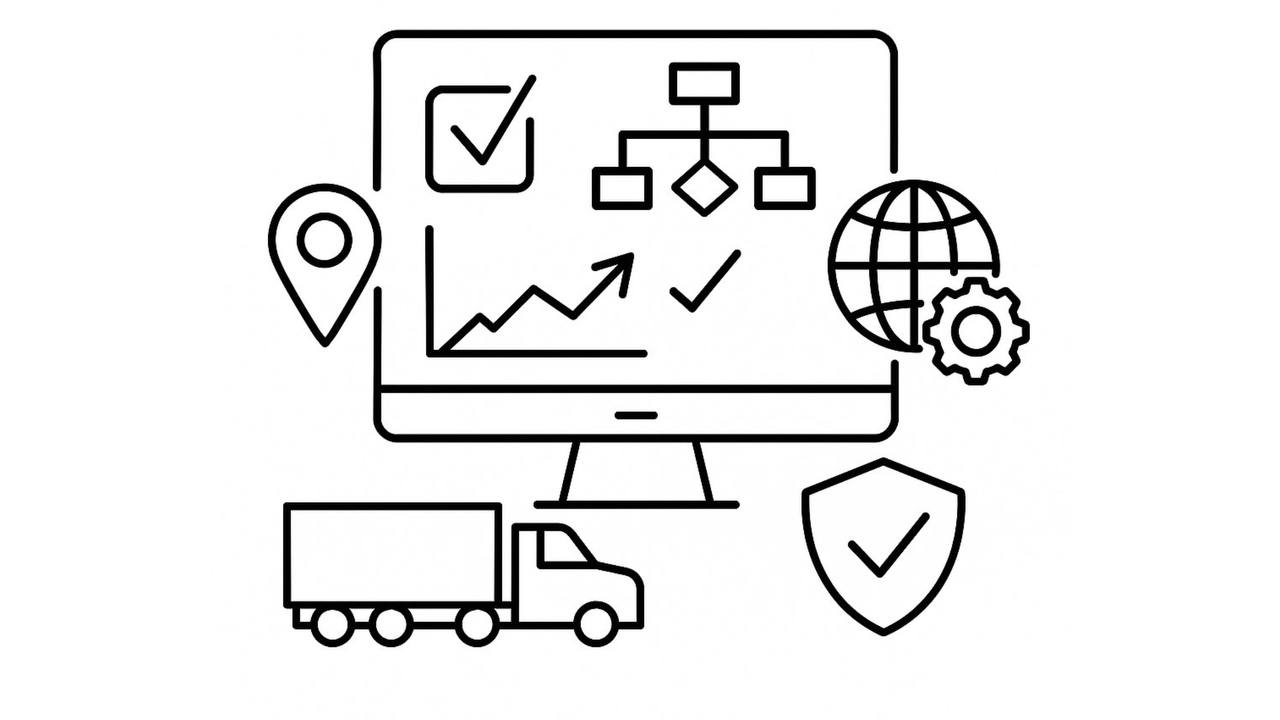
What You Should Expect From Your TMS in 2026
Read Article: What You Should Expect From Your TMS in 2026A Transportation Management System is not “nice to have infrastructure.”It’s the operating system of your freight network. The TMS market is growing fast, driven by cloud adoption, AI, and e-commerce pressure on service levels. At the same time, margins are thin, demand is volatile, and customers expect precise ETAs, proactive updates, and clean invoices. That…
-
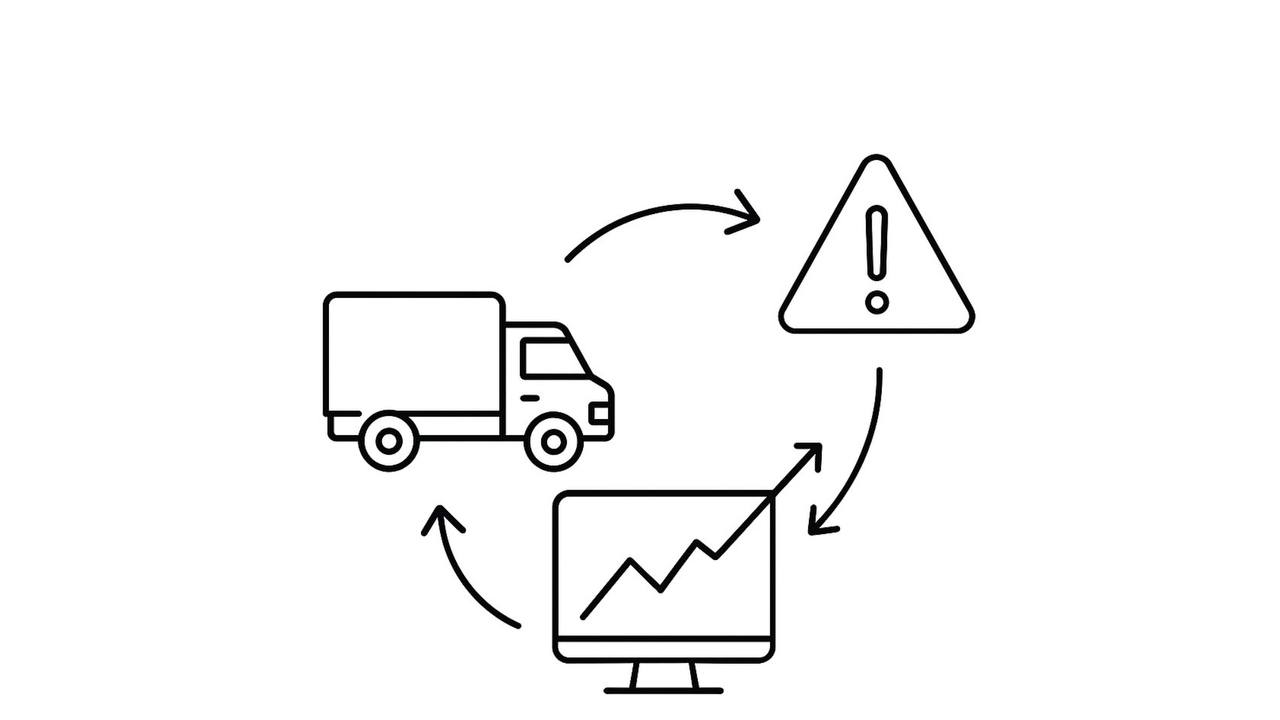
How to Prepare for Peak Season Disruptions: A Simple Guide for Logistics Teams
Read Article: How to Prepare for Peak Season Disruptions: A Simple Guide for Logistics TeamsPeak season doesn’t have to be chaotic. Learn simple, practical steps to reduce disruptions, secure capacity, and keep shipments moving smoothly next year. 1. Review What Actually Went Wrong This Year Peak season always exposes weaknesses. Before you plan forward, look backward. Ask your team: Focus only on patterns. You don’t need a 50-page analysis,…
-
Predictive Maintenance with IoT: Preventing Truck Breakdowns Before They Happen
Read Article: Predictive Maintenance with IoT: Preventing Truck Breakdowns Before They HappenWhy Preventing Breakdowns Is the New Competitive Advantage A single roadside breakdown can do more than halt a truck, it damages a carrier’s tender acceptance rate, disrupts high-value lane assignments, hurts driver safety, and weakens shipper confidence. Yet many fleets still rely on outdated “fix it when it fails” maintenance models.Today, carriers using predictive maintenance…
-
How to Win More Freight RFPs: Proven Strategies for Brokers & Carriers
Read Article: How to Win More Freight RFPs: Proven Strategies for Brokers & CarriersIf you want to win more RFPs, you must present yourself not as a vendor, but as part of their supply-chain architecture. That means speaking the language procurement teams care about: data integrity, operational discipline, cost modeling, KPI governance, and cross-functional competence. Why Most RFP Responses Fail (Even When the Price Is Good) Procurement teams…
-
How to Improve Tender Acceptance Rates in Freight Operations
Read Article: How to Improve Tender Acceptance Rates in Freight OperationsTo improve tender acceptance rates, transportation teams need to understand why carriers decline freight, then correct the conditions they can control. Better lane fit, realistic rates, accurate load details, sufficient lead time, current capacity data, and faster response workflows can all reduce avoidable rejections. The goal is not to make carriers accept every tender. Instead,…
-

What’s the Best Way to Automate Load Tendering?
Read Article: What’s the Best Way to Automate Load Tendering?Discover how modern logistics teams are reshaping tendering, from manual calls to smart automation that keeps carriers, shippers, and brokers connected in real time. The Tendering Tangle Load tendering used to mean juggling emails, rate sheets, and phone calls, sometimes all before breakfast. For most brokers and shippers, that chaos still exists in some form.When…
Continue exploring
Connect the insight to the workflow
When an article answers the first question, these focused pathways can help you explore the operational context behind it.
AutoFill
Explore the FTM workflow for document-driven freight operations.
Explore AutoFill → Customer visibilityCustomer Portal
See how customers can follow the transportation information shared with them.
Explore the portal → Connected systemsFTM Integrations
Browse the integration paths that support connected freight workflows.
View integrations → Operational guidanceFreight Resources
Continue with FTM guides, documents, glossary entries, and setup resources.
Browse resources →Looking for a better way to run transportation operations?
Explore how FTM connects quoting, dispatch, drivers, customers, documents, billing, and reporting inside Salesforce.
