FTM Blog
Freight Operations Insights
The FTM freight transportation management blog shares practical guidance on dispatch, carrier operations, billing, margin, freight technology, AI, and automation. Whether you manage broker, carrier, or shipper operations, use this hub to find clearer answers and the next useful resource.
Featured
Start with one timely freight insight
Begin with a timely perspective on the operational decisions shaping freight teams today. Then, continue into the latest articles or choose a specific business problem.
-
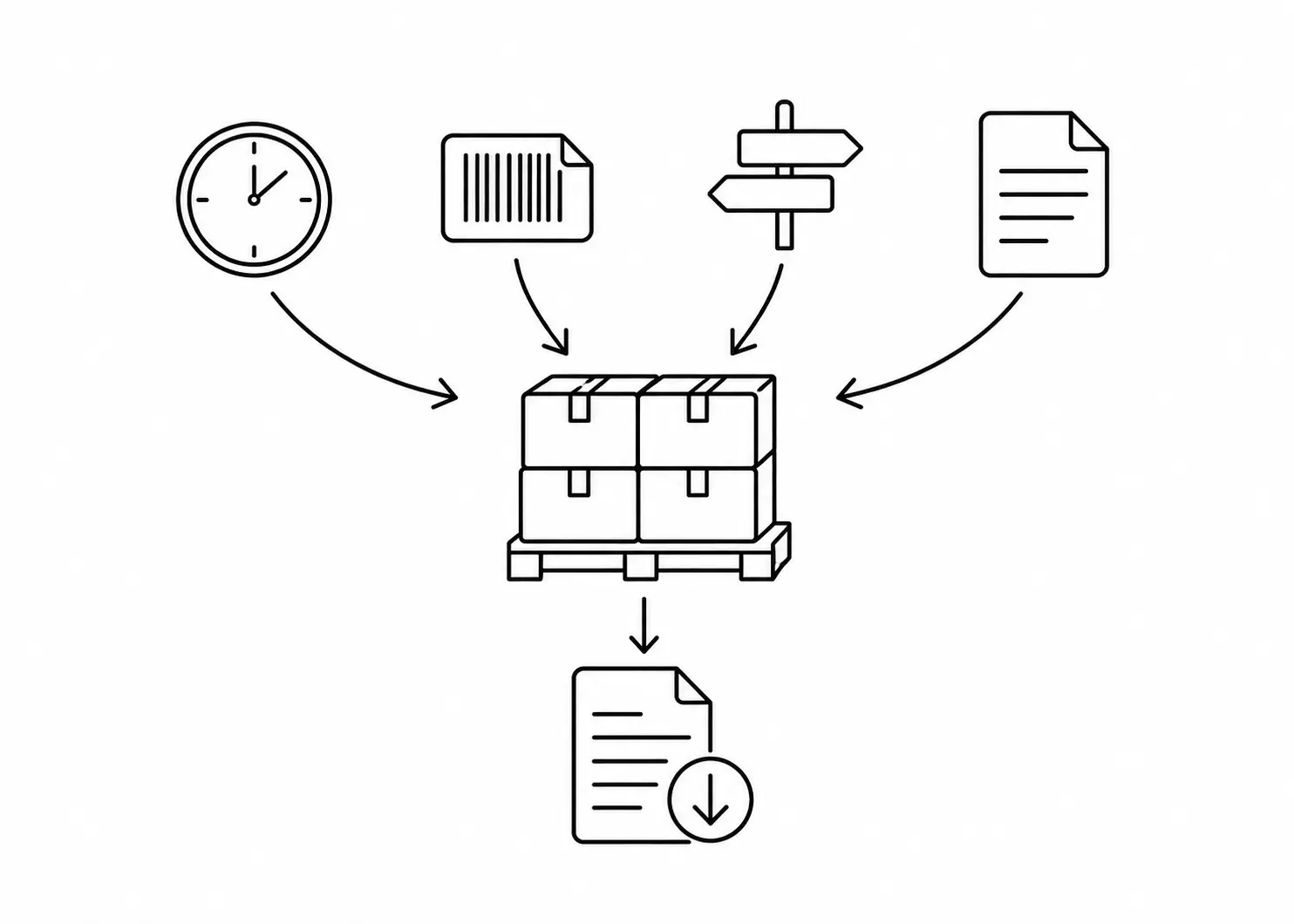
The Hidden Costs of Shipper Non-Compliance and How to Avoid Penalties
Read Article: The Hidden Costs of Shipper Non-Compliance and How to Avoid PenaltiesA pallet leaves the warehouse two hours later than planned. The order is complete, the product is correct, and nothing is physically wrong with the shipment. It still arrives outside the retailer’s must-arrive-by window. Three weeks later, a deduction appears on the remittance advice, and nobody in the finance department can immediately say which shipment…
Recently published
Latest insights
See the newest practical thinking from FTM, from day-to-day freight work to long-term transportation strategy.
-
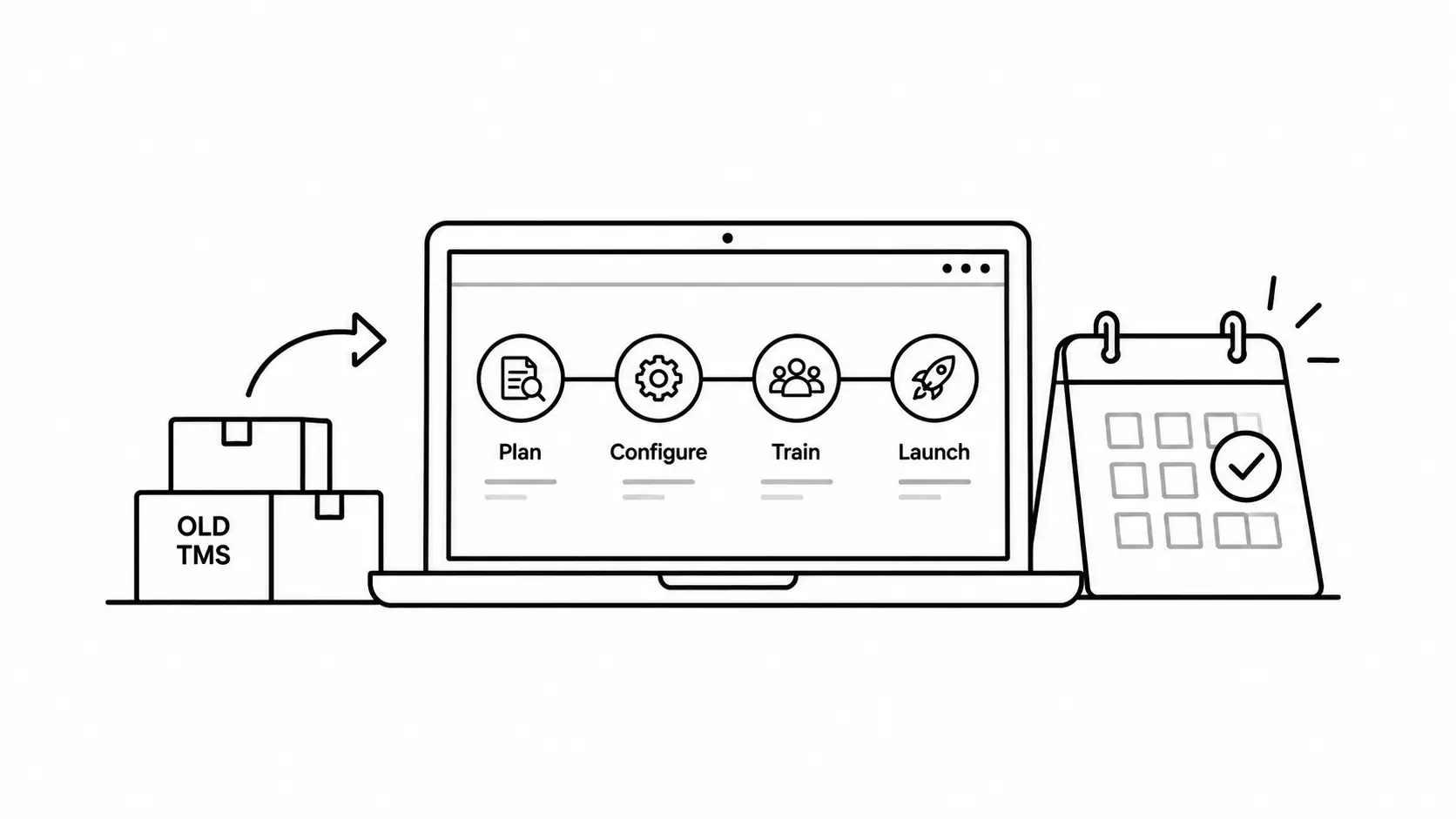
TMS Implementation Timeline: How Long Does Switching Really Take
Read Article: TMS Implementation Timeline: How Long Does Switching Really TakeA TMS implementation timeline can run anywhere from a few weeks to well over a year. That range sounds unhelpfully broad until you separate the software installation from everything surrounding it. Modern cloud software can provision an environment quickly. However, transportation teams still need to migrate customer and carrier data, configure workflows, connect accounting or…
-
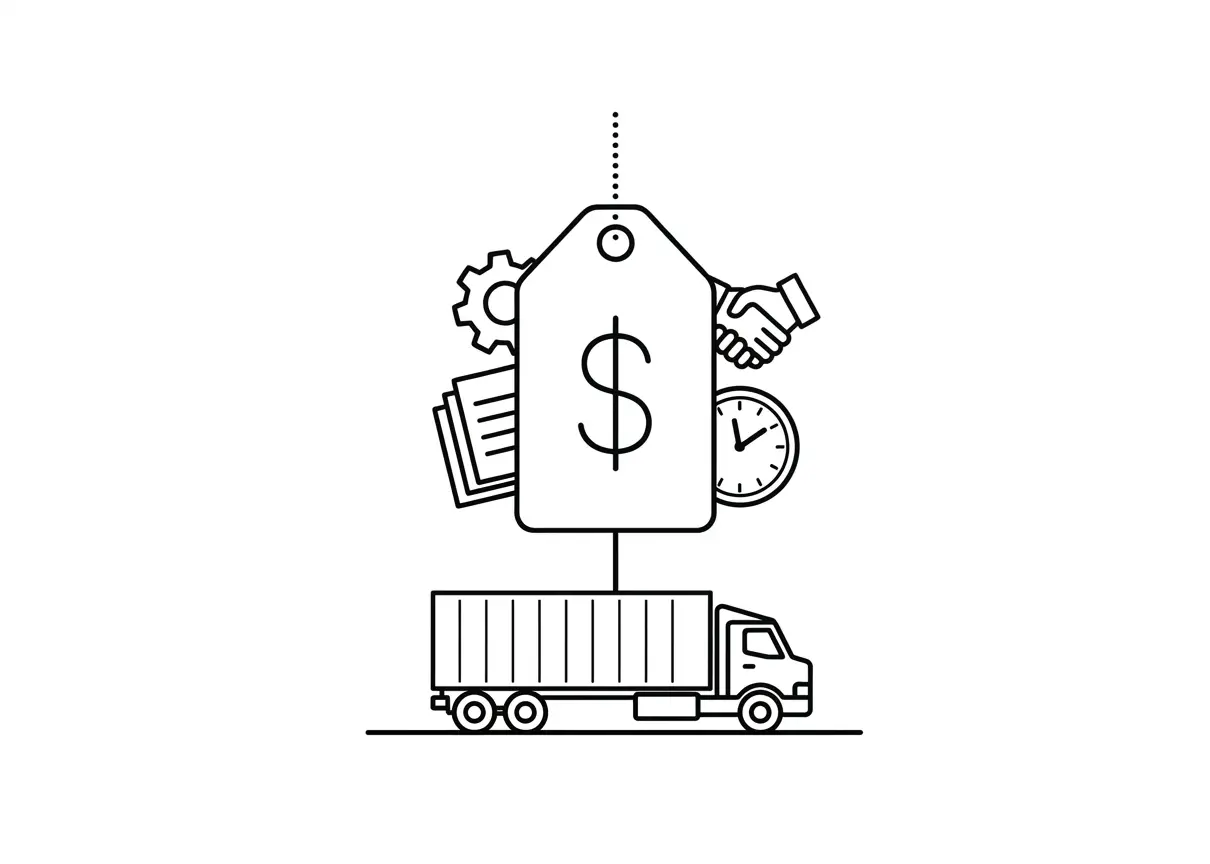
Freight Broker Software Pricing: What You Should Actually Pay in 2026
Read Article: Freight Broker Software Pricing: What You Should Actually Pay in 2026A brokerage owner requests three demos in the same week. One vendor quotes $199 per user per month. Another says pricing starts at $514 flat, no contract. A third will not give a number at all until someone gets on a call. None of these numbers are directly comparable, and nobody on the buying side…
-
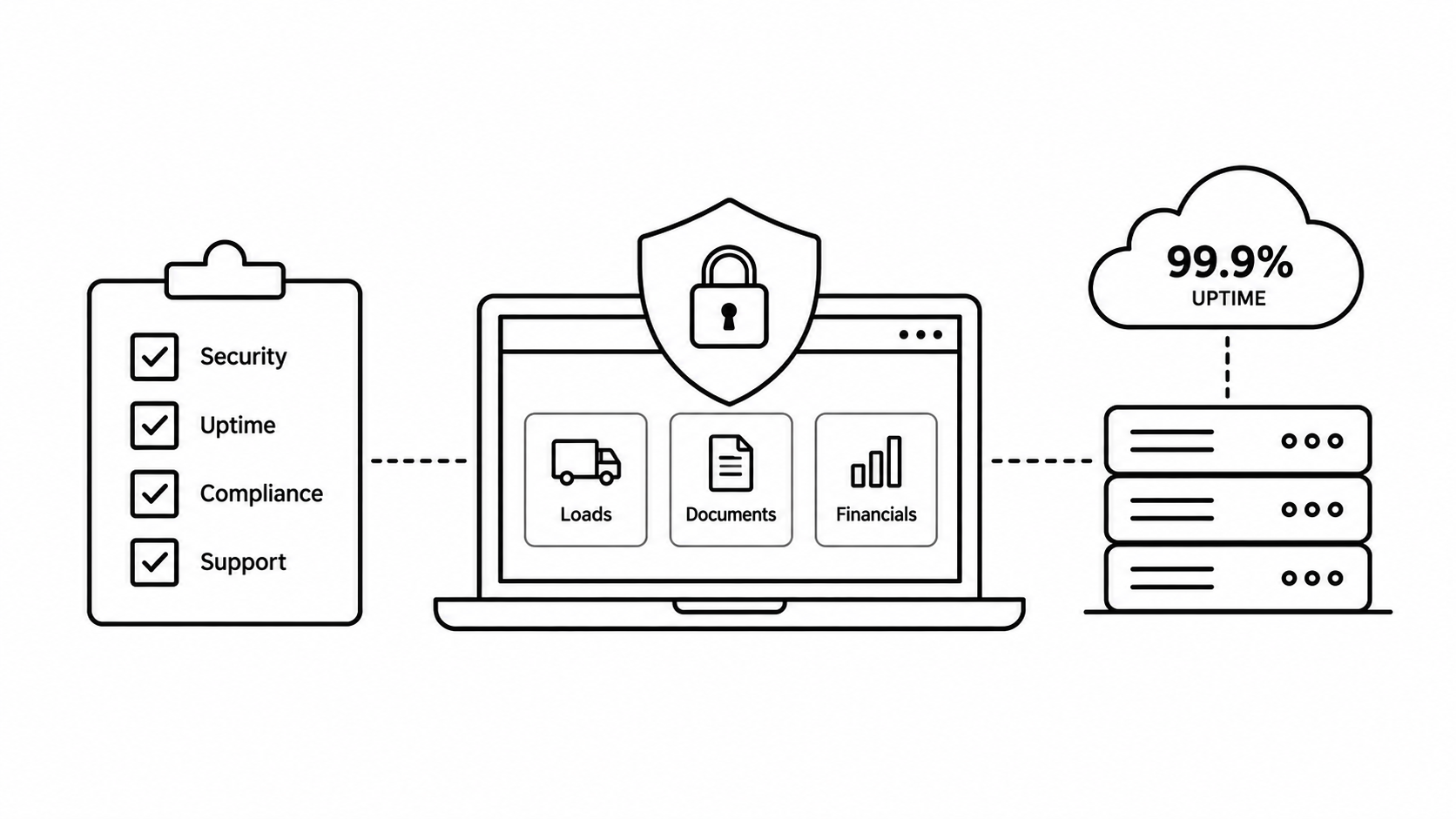
TMS Security and Uptime: How to Vet a Vendor Before You Sign
Read Article: TMS Security and Uptime: How to Vet a Vendor Before You SignTMS security usually becomes a procurement priority after someone asks a simple question: what happens if the system holding our loads, customer records, carrier information, documents, rates, and invoices becomes unavailable or compromised? By that point, the TMS may already be deeply embedded in operations. Dispatch depends on it. Customer service needs shipment status. Drivers…
Explore by business problem
What are you trying to improve?
Choose an operational priority first. Then, use the related FTM pathways to connect what you learn with the workflow it affects.
Protect Margin
Explore quoting, accessorials, freight pricing, billing, and margin visibility. As a result, it becomes easier to see where revenue can be protected before and after a load moves.
Improve Dispatch
Find guidance on dispatch, driver communication, POD, visibility, and exceptions. Meanwhile, explore how those handoffs fit into the wider transportation workflow.
Build Better Carrier Capacity
Read about carrier sourcing, diversification, onboarding, and load coverage. In addition, follow the related workflows for managing carriers and private capacity.
Automate Freight Documents
Explore BOL, POD, rate confirmations, invoicing, and document automation. For example, see how teams can reduce manual document handling while keeping the operating workflow connected.
Evaluate a TMS
Compare approaches to TMS selection, implementation, migration, pricing, and Salesforce-native architecture. Finally, use the product, comparison, and setup resources to go deeper.
Article library
All freight operations insights
Browse more guidance across freight operations, technology, carrier management, dispatch, billing, margin, AI, and automation.
-
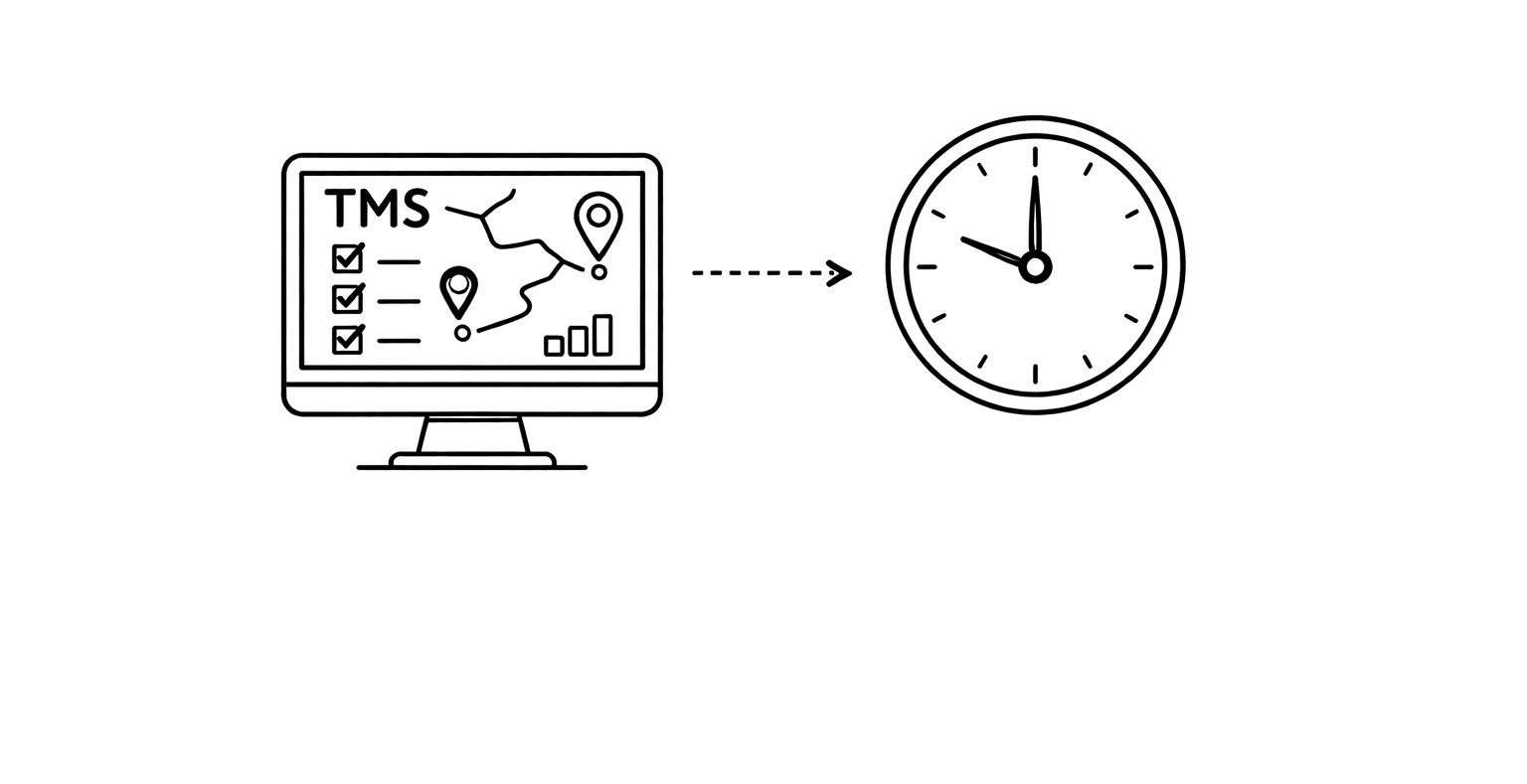
How TMS Improves On-Time Delivery
Read Article: How TMS Improves On-Time DeliveryOn-time delivery has become the anchor of logistics performance. Customers, internal teams, and finance all judge your execution by it. Late delivery is not a single failure. It is a series of small process breaks that add up. Modern transportation management systems (TMS) improve on-time delivery by preventing those breaks before they affect the customer.…
-
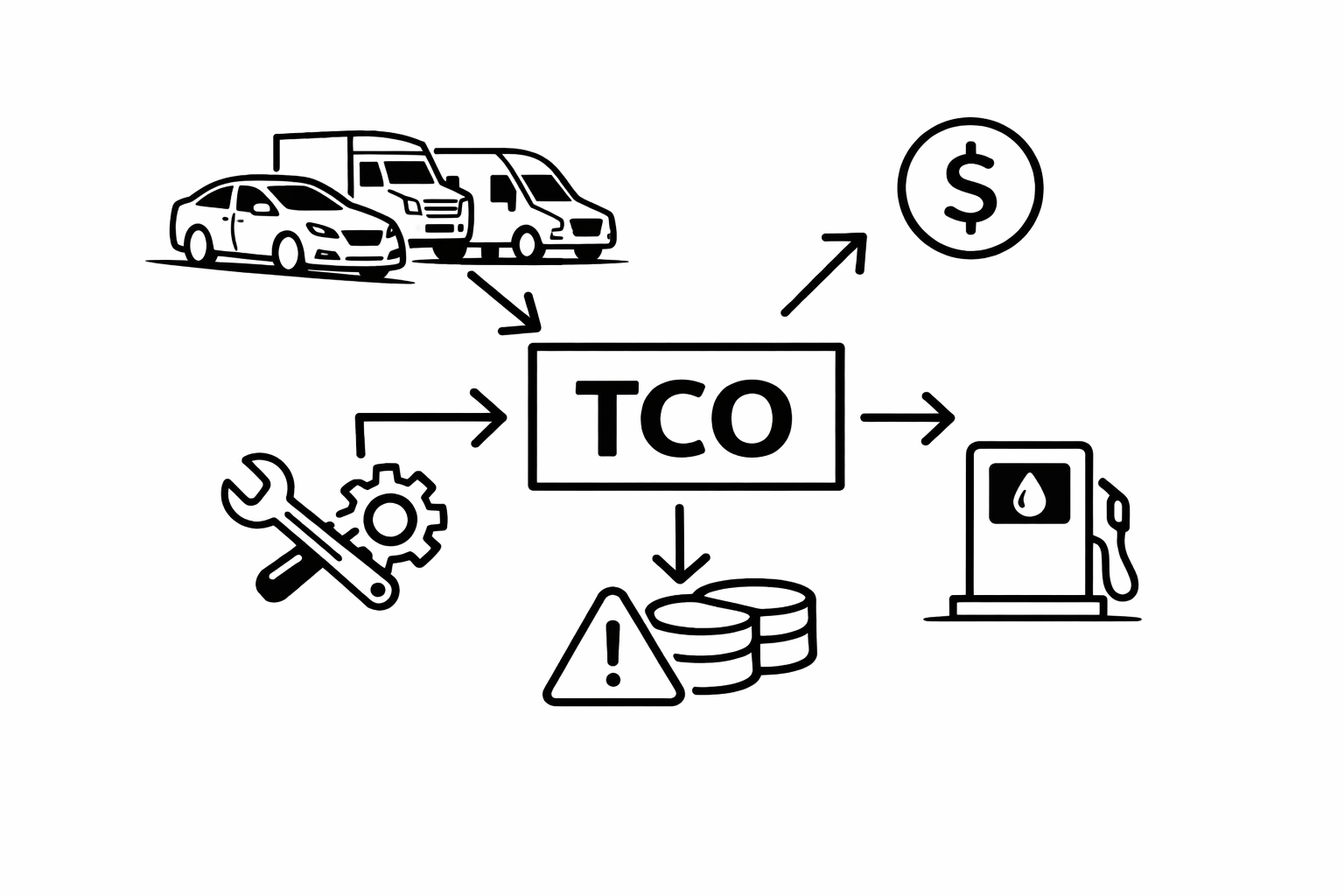
Optimizing the Total Cost of Ownership (TCO) for Your Vehicle Fleet
Read Article: Optimizing the Total Cost of Ownership (TCO) for Your Vehicle FleetWhen you look at a truck lineup, it’s easy to see tractors, trailers, and engines, but what you can’t see are the hidden costs that quietly drain profit year after year. Fuel, repairs, downtime, insurance, depreciation, driver turnover… the list goes on. If you only watch acquisition price and monthly payments, you’re ignoring most of…
-
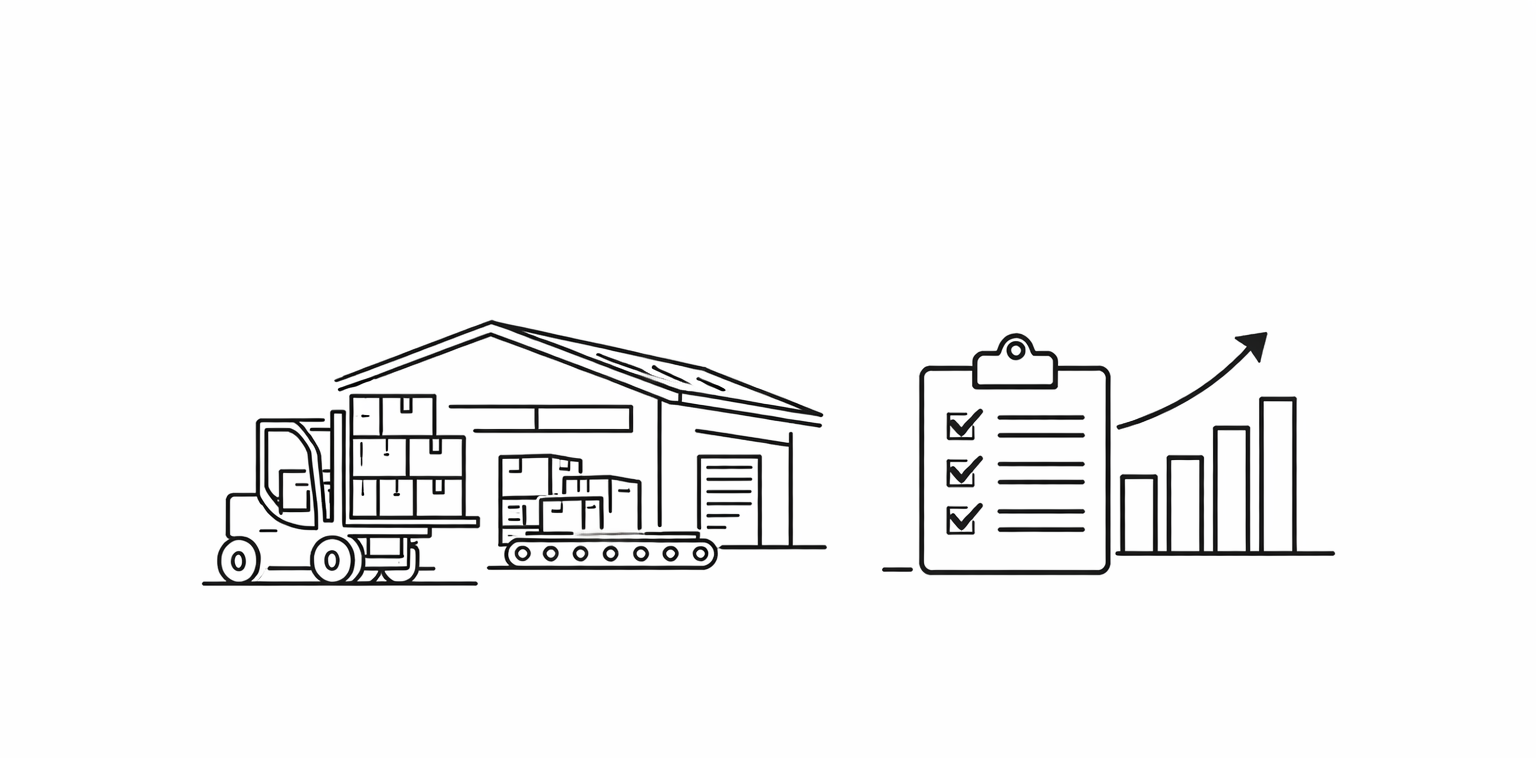
Industrial Warehouse Management: What It Is and How to Elevate Operations in 2026
Read Article: Industrial Warehouse Management: What It Is and How to Elevate Operations in 2026Warehouses aren’t just big storage rooms filled with boxes anymore. They’re the nerve centers of modern supply chains, hubs where speed, accuracy, visibility, and scalability define competitive advantage. If your team treats industrial warehouse management as “just storage,” you’re leaving money, time, and customer satisfaction on the table. In 2026, a successful industrial warehouse does…
-
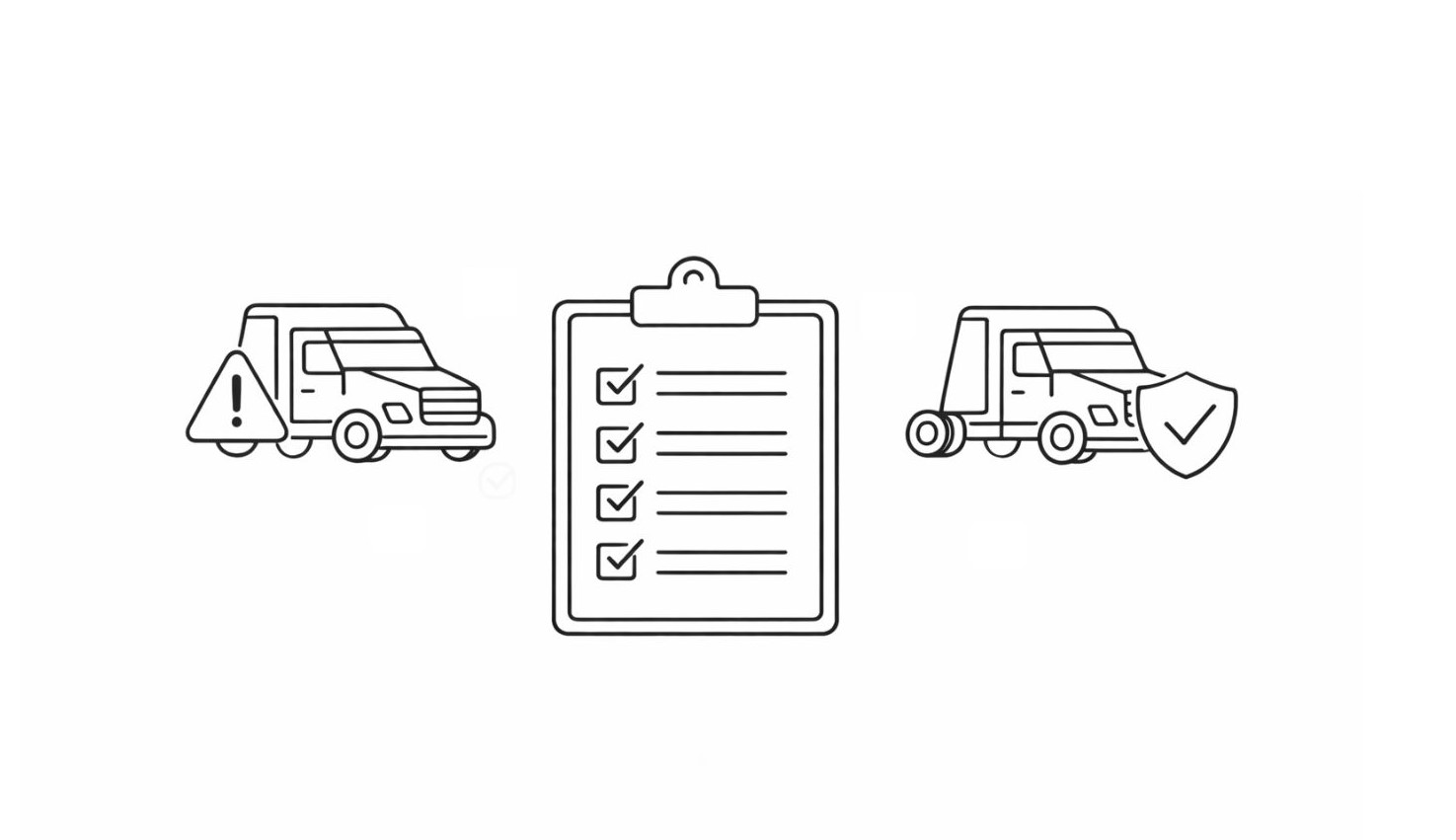
Carrier Onboarding Best Practices: Reducing Risk and Improving Scorecards
Read Article: Carrier Onboarding Best Practices: Reducing Risk and Improving ScorecardsPoor carrier onboarding drives service failures, fraud exposure, and weak scorecards. Learn how to build a carrier onboarding process that protects your network and raises performance. Carrier onboarding sets the tone for every load that follows. When onboarding is rushed or inconsistent, problems appear fast. Missed appointments. Bad data. Payment delays. Compliance gaps. Scorecards drop.…
-

How to Manage B2B Logistics in a High-Expectation Market
Read Article: How to Manage B2B Logistics in a High-Expectation MarketB2B logistics used to be predictable. Orders came in bulk. Lead times were generous. Customers expected delays, paperwork, and phone calls. Transportation was a cost center, not a brand touchpoint. That world is gone. Today, B2B buyers expect the same clarity, speed, and reliability they get from consumer platforms. They want accurate ETAs, proactive updates,…
-

Checklist: 10 Key Metrics Every Carrier Should Track in Their TMS
Read Article: Checklist: 10 Key Metrics Every Carrier Should Track in Their TMSMost carriers are sitting on a goldmine of operational data. The problem is not access. It is focused. Dispatchers watch loads. Owners watch revenue. Finance watches cash. Everyone is busy. Very few teams step back and ask, “Which numbers actually tell us if the business is healthy?” A modern TMS collects far more than load…
-
TMS Buyer’s Checklist 2026: What Every Logistics Company Needs
Read Article: TMS Buyer’s Checklist 2026: What Every Logistics Company NeedsYou know you need a Transportation Management System (TMS), but how do you decide which one will actually move the needle for your logistics operations? In 2026, a TMS isn’t just software, it’s the nerve center of your freight ecosystem. The right platform can turn chaos into clarity, data silos into action, and hidden costs…
-
Supply Chain Disruption: How Logistics Teams Can Build a Resilient Freight Network
Read Article: Supply Chain Disruption: How Logistics Teams Can Build a Resilient Freight Network⚡ Quick answer How do you build a resilient freight network? A resilient freight network is built on four things: multiple routing options so you’re never locked into one lane, a flexible carrier strategy that treats capacity as a dynamic portfolio, multi-modal fallback so you can shift between road, rail, and ocean when needed, and…
-
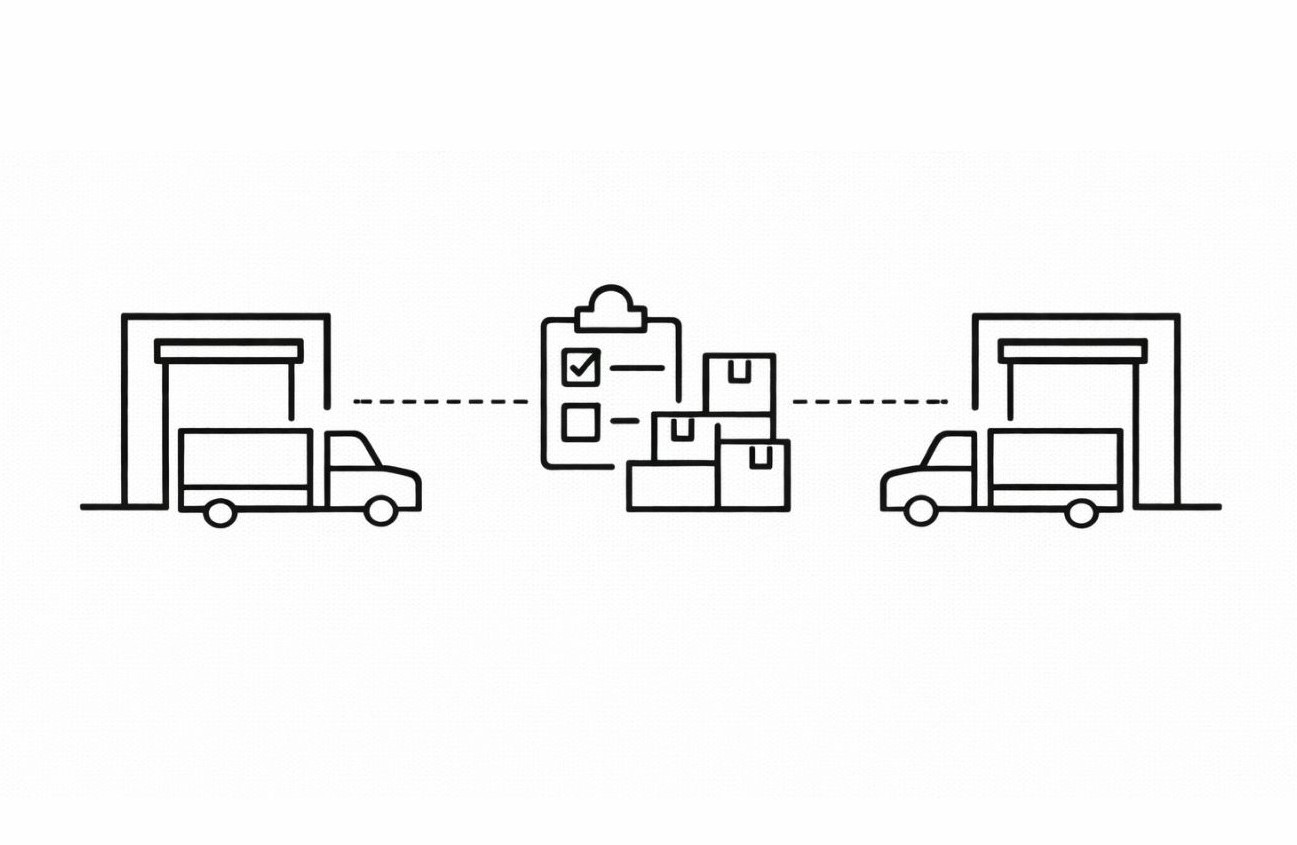
What is Cross-Docking? How It Works and Types
Read Article: What is Cross-Docking? How It Works and Types⚡ Quick answer What is cross-docking in logistics? Cross-docking is a logistics method where incoming freight is transferred directly from inbound trucks to outbound trucks — with little or no time spent in storage. Instead of sitting in a warehouse, goods are sorted and reloaded almost immediately, cutting delivery times, reducing storage costs, and minimizing…
-
Eco-friendly logistics: Reducing Dead-Headed Miles & Carbon Footprint with TMS
Read Article: Eco-friendly logistics: Reducing Dead-Headed Miles & Carbon Footprint with TMSImagine cutting your company’s freight emissions while trimming empty miles and boosting profitability. What used to sound like a trade-off, sustainability vs profitability, is now emerging as a strategic advantage. In 2026, eco-friendly logistics isn’t just “green thinking”: it’s smart operations that reduce dead-headed miles, cut fuel costs, and strengthen your competitive edge. Transportation emissions…
-
Navigating 2026’s Complex Global Freight Regulations: What Leaders Should Prepare For
Read Article: Navigating 2026’s Complex Global Freight Regulations: What Leaders Should Prepare ForWhat global freight regulations will impact logistics in 2026? In 2026, four major regulatory areas are reshaping how freight moves worldwide: The biggest risk? Compliance failures no longer just mean fines, they cause shipment delays, lost customers, and lasting damage to your reputation. Logistics teams that build compliance into their daily planning and use the…
-
Driver Shortage Pressure: What Carriers Should Expect
Read Article: Driver Shortage Pressure: What Carriers Should ExpectYou might think driver shortages are an old problem with an obvious fix. But by 2026, the labor market pressures shaping freight will be deeper, more complex, and more strategic than carriers have ever faced. After years of industry grumbling, the driver shortage pressure hitting the trucking world is finally forcing carriers to redesign how…
Continue exploring
Connect the insight to the workflow
When an article answers the first question, these focused pathways can help you explore the operational context behind it.
AutoFill
Explore the FTM workflow for document-driven freight operations.
Explore AutoFill → Customer visibilityCustomer Portal
See how customers can follow the transportation information shared with them.
Explore the portal → Connected systemsFTM Integrations
Browse the integration paths that support connected freight workflows.
View integrations → Operational guidanceFreight Resources
Continue with FTM guides, documents, glossary entries, and setup resources.
Browse resources →Looking for a better way to run transportation operations?
Explore how FTM connects quoting, dispatch, drivers, customers, documents, billing, and reporting inside Salesforce.
